

South Korea Targets Chinese Tourists to Boost Consumption Potential

South Korea is strategically focusing on attracting Chinese tourists to leverage China's economic recovery, thereby enhancing tourism and cultural exchange between the two nations. This initiative is indicative of the growing importance of China's role in boosting South Korea's tourism industry.
According to Park Sung-hyeuck, president of the Korea Tourism Organization, the path to achieving the ambitious goal of welcoming 30 million foreign tourists hinges on prioritizing the Chinese market. The KTO plans to enhance partnerships with key platforms and integrate travel channels, including cruise services and aviation, to stimulate demand for visits to South Korea.
The remarks reflect a strong commitment from South Korea's tourism sector to explore novel opportunities for cooperation with China, highlighting the increasingly close economic ties between the two countries.
In line with this vision, South Korea has set an aspirational target of drawing 30 million inbound visitors, with a focus on spreading tourism beyond just Seoul. The success of this ambitious strategy is closely tied to the influx of tourists from China.
Recent statistics reveal a robust recovery in the tourism market, with over 418,000 Chinese tourist trips to South Korea in January 2026—a 14.9 percent increase year-on-year. The cumulative number of Chinese visitors in the first two months of the year nears 950,000, as reported by the China Association of Travel Services.
Predictions indicate that this year, the number of Chinese tourists visiting South Korea could surpass six million, as noted by South Korean Ambassador to China Ro Jae-hun. Chinese travelers have historically been a crucial demographic in enhancing South Korea's tourism sector.
From a larger perspective, South Korea's emphasis on the Chinese market underscores the substantial consumption potential of China, currently the world's largest outbound tourism market. The ongoing recovery of China's economy has fostered an increased desire among its citizens to travel abroad, concurrently offering a significant boost to South Korea's tourism industry and creating opportunities for cultural development.
While enhancing visa policies and services is vital, the recovery of the tourism market also depends on stable and predictable political and economic relationships. The current warming of Sino-Korean relations is fostering cooperation across cultural, tourism, economic, and trade sectors, which is reflected in the ongoing improvement of tourism.
As the principal source of tourists for South Korea, China plays a pivotal role in the revival of the tourism sector throughout the Asia-Pacific region. Countries across Southeast Asia are also striving to attract Chinese visitors, necessitating that South Korea demonstrate sincerity and a competitive edge to maintain and grow its share of this vital market.
Moreover, the preferences of Chinese tourists are rapidly evolving, transitioning from a shopping-centered focus to one emphasizing experiential and customized offerings. South Korea's ability to adapt to these changes by providing quality services, safeguarding tourist rights, and enhancing the uniqueness of its offerings will be critical in realizing its tourism goals.
In the context of their close relationship, the partnership between China and South Korea remains centered on mutually beneficial cooperation, particularly within cultural and tourism sectors. This collaboration not only fuels industry growth but also strengthens interpersonal ties between the two nations.
Amid a complex international landscape, this collaborative spirit is paramount. It is essential for both nations to capitalize on tourism cooperation by bolstering supporting services, maintaining the momentum of cultural exchanges, and fostering a stable, healthy progress in bilateral relations.
Read These Next

Insights on Sichuan Fulinyunyi Group's Ownership Transition
Discussion of the significant ownership change in Sichuan Fulinyunyi Group and its implications on market valuation, risks, and corporate governance.

Eli Lilly’s Foundayo: A Breakthrough in Obesity Treatment
Eli Lilly's approval of Foundayo by the FDA marks a pivotal moment in the weight loss market, introducing a new oral drug that could facilitate accessibility and attract a broader patient demographic in a competitive landscape dominated by injectables like Novo Nordisk's Wegovy. implications stretch across consumer choice, healthcare strategies, and pharmaceutical innovation amidst rising obesity rates.
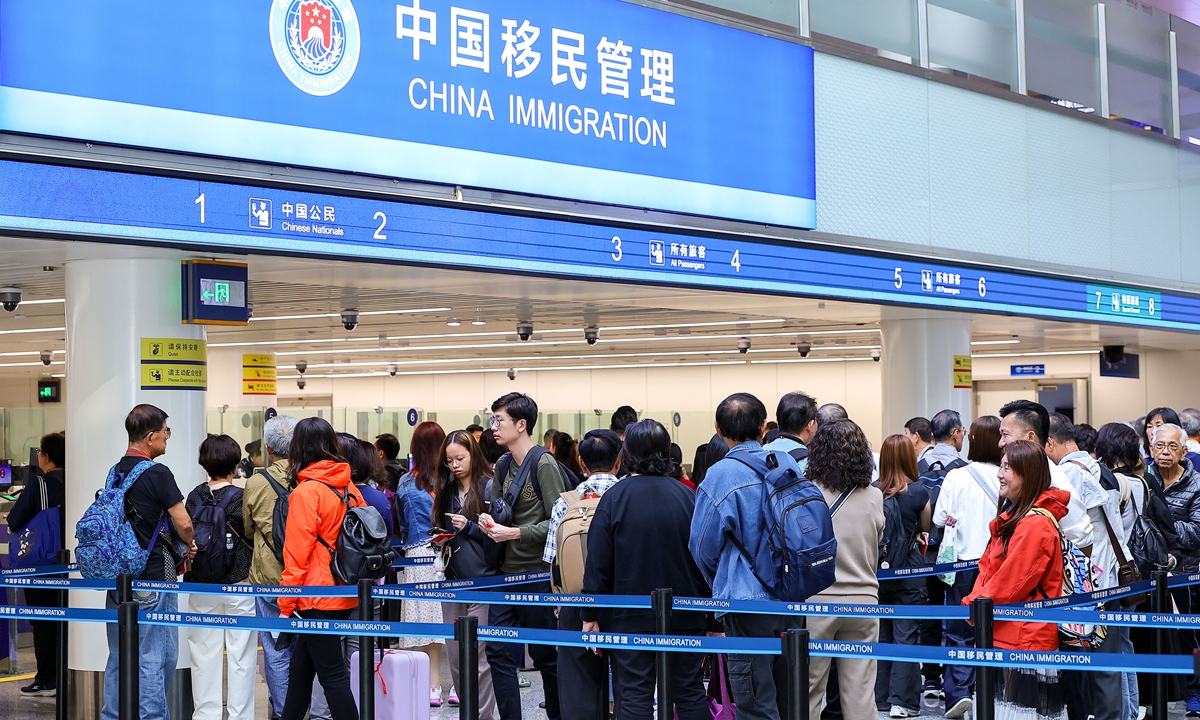
China's Border Crossings to Exceed 23 Million During Qingming
China expects daily border crossings to exceed 2.3 million during the Qingming Festival due to increased travel enthusiasm.