

Insights on Sichuan Fulinyunyi Group's Ownership Transition

The recent changes in the ownership structure of Sichuan Fulinyunyi Group Co., Ltd. underscore a pivotal moment for the company, marked by significant corporate governance strategies aimed at enhancing investor confidence amid regulatory scrutiny. As Yongfeng Group Ltd., the current majority shareholder, transitions its 18% stake to Dongyang Dongwang Lianhang Enterprise Management, the implications of this transfer extend beyond mere numbers; they reflect core shifts in control, governance, and ultimately, the market's perception of the company's future viability. With trading suspension initiated on March 26, 2026, to mitigate price fluctuations, the market is poised for potential volatility as shares resume trading on April 2, 2026. Thus, the financial community must remain vigilant as the approval from the regulatory authorities looms.
Examining the financial trend surrounding the share transfer reveals a nuanced picture that mirrors broader economic forces at play. The transfer price of 14.18 Yuan per share, while presented as indicative of market valuation, requires careful scrutiny against comparable valuations in the sector. Historically, during the 2008 financial crisis and the dot-com bubble, adjustments in corporate ownership often led to abrupt market corrections. Investors today should consider whether this price could be reflective of genuine intrinsic value or a result of short-term strategic positioning, particularly in light of recent audits anticipated from state authorities. This process may evoke parallels with past market disruptions and speaks to the potential inherent risks of stakeholder disagreements that might follow the completion of such transactions.
Moreover, the company's commitments to minimizing related party transactions and ensuring non-compete clauses signal a robust approach towards transparency and ethical governance, potentially establishing a precedent for other entities in the region. However, the caveat remains — how effectively will these commitments be implemented? Investors must critically assess if these voluntary declarations could translate into actionable policies or if they are merely a veneer that masks deeply entrenched operational challenges. The uncertainties surrounding regulatory approvals also bring to light a pressing question: Could adherence to these governance commitments inadvertently restrict growth opportunities by stifling necessary agility in decision-making? While the intent is commendable, failure to act decisively could lead to stagnation, eliciting concern among both investors and regulators.
In conclusion, the unfolding narrative of Sichuan Fulinyunyi Group reflects a fundamental tension between governance aspirations and practical realities. The emphasis on protecting shareholder rights during this transition provides an optimistic outlook, yet the uncertainties from potential market fluctuations and the outcomes of the ongoing regulatory scrutiny cannot be ignored. Investors are encouraged to adopt a proactive stance: while the change in control could present opportunities for revitalization and growth, it concurrently poses significant risks that merit cautious engagement. The prevailing market sentiment, shaped by investor sentiment towards regulatory compliance and corporate accountability, will likely dictate the trajectory of the company's share performance in the near to medium term.
Read These Next

Eli Lilly’s Foundayo: A Breakthrough in Obesity Treatment
Eli Lilly's approval of Foundayo by the FDA marks a pivotal moment in the weight loss market, introducing a new oral drug that could facilitate accessibility and attract a broader patient demographic in a competitive landscape dominated by injectables like Novo Nordisk's Wegovy. implications stretch across consumer choice, healthcare strategies, and pharmaceutical innovation amidst rising obesity rates.
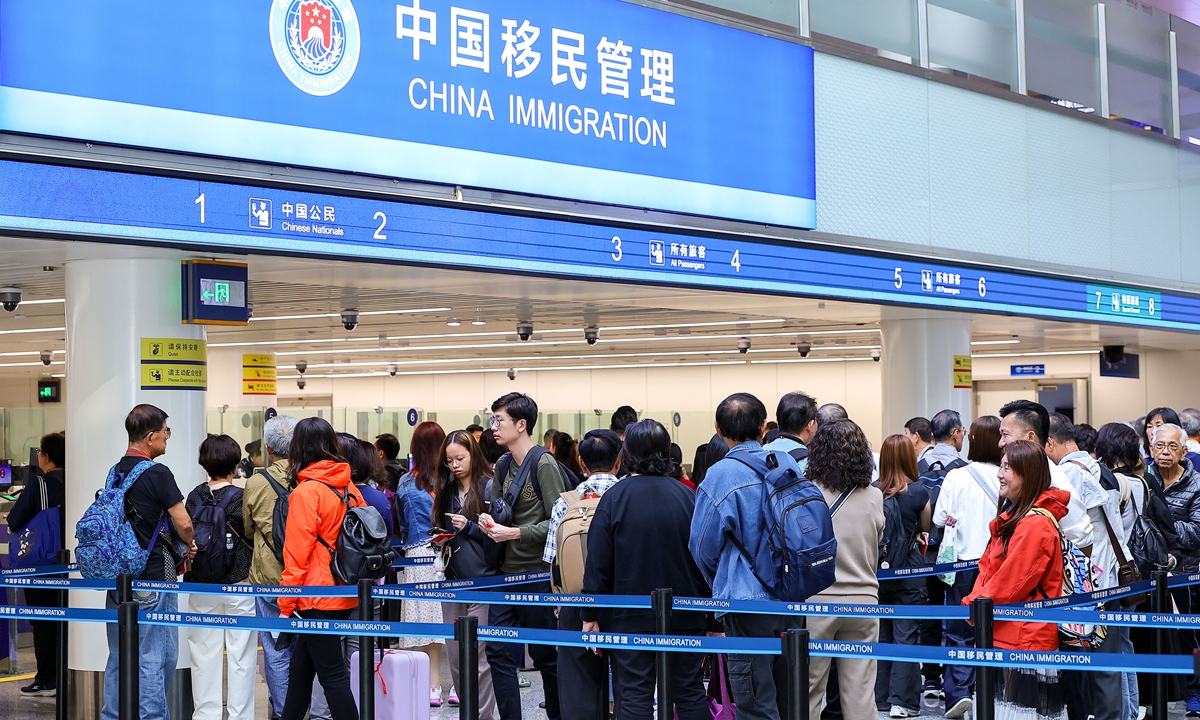
China's Border Crossings to Exceed 23 Million During Qingming
China expects daily border crossings to exceed 2.3 million during the Qingming Festival due to increased travel enthusiasm.

Egypt Prime Minister Increases Public Sector Minimum Wage to 8000 EGP
Egypt's PM raises public sector minimum wage to 8,000 pounds/month to improve living standards amid rising living costs.