

China Promises Proactive Fiscal Policy in 2026 for Growth

China's Ministry of Finance has laid out plans for a proactive fiscal policy in 2026 aimed at fostering economic growth through increased employment and enhanced domestic demand. This strategy was highlighted in a recent fiscal policy execution report published on the ministry's website.
Experts have indicated that this approach, which involves a significant uptick in fiscal spending, is expected to effectively stimulate domestic demand, thereby bolstering economic growth throughout the year.
Reiterating its commitment, the ministry has emphasized the importance of strengthening domestic demand, stabilizing employment, and advancing structural reforms within the economy.
The ministry's strategy will involve not only the continuation of this proactive fiscal policy but also improvements in precision and effectiveness. Key areas of focus will include expanding domestic demand, refining the economic structure, and enhancing the drivers of growth, along with improving the livelihoods of citizens.
Efforts will also be concentrated on stabilizing employment, supporting enterprises, maintaining market stability, and managing expectations, all while advancing reforms and enhancing efficiencies across various sectors.
A significant increase in fiscal spending is anticipated, aimed at securing adequate resources for necessary expenditures. Moreover, the ministry plans to optimize the types of government bond instruments used to maximize their effectiveness and improve the efficiency of transfer payments to augment local governments' fiscal capacities.
Fiscal support for vital sectors is set to be reinforced as part of a broader strategy to optimize expenditure structures. Coordination between fiscal and financial policies is also recognized as a crucial component of this comprehensive approach.
Finance Minister Lan Fo'an, during a press conference, reported that record highs are expected for total fiscal expenditure, new government bond issuance, and central government transfers to local administrations, as confirmed by Xinhua News Agency.
To expedite major construction initiatives, the ministry plans to allocate part of the 2026 quota for new local government debt, thereby ensuring financial backing for significant projects early in the year.
Last year, China's total public budget revenue amounted to approximately 21.6 trillion yuan, which translates to about 3.13 trillion U.S. dollars. This figure underscores the fiscal capacity available to support planned initiatives.
Li Changan, a prominent professor, highlighted the critical role fiscal policies play in stimulating growth and achieving long-term development targets, particularly in expanding investment and consumption through increased bond reliance.
Looking ahead, the ministry aims to cultivate new growth drivers while supporting high-quality development within major manufacturing supply chains. This includes leveraging private capital and alternative financial resources to ensure sustained investments in innovation.
Read These Next

Oil Prices Climb Amid Iran Tensions
Rising oil prices attribute to geopolitical tensions in the Middle East, particularly between Iran and its Arab neighbors. Analyzing market signals, corporate strategies, and macroeconomic implications provides insight into potential future trajectories for energy investors.
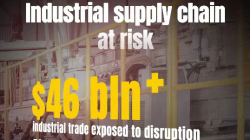
Middle East Tensions Disrupt Global Supply Chains
Geopolitical tensions in the Middle East disrupt global supply chains, affecting agriculture and industry, urging companies to adapt.

Unilever and Kraft Heinz Explore Merger to Unite Ketchup and Mayonnaise
Unilever and Kraft Heinz are discussing a merger of their ketchup and mayo businesses to boost efficiency and competitiveness.