

Oil Prices Climb Amid Iran Tensions

The recent surge in oil prices, exacerbated by escalating tensions between Iran and its Middle Eastern neighbors, is not only a reflection of geopolitical turmoil but also a clarion call for stakeholders across various sectors to reassess their strategies in an increasingly volatile market. As Brent crude reached $108.17 per barrel, its highest point in recent months, investors and policymakers are compelled to navigate the intricate web of supply chain disruptions and energy security concerns that are becoming more pronounced in this evolving landscape.
The stakes couldn’t be higher—oil supply through the Strait of Hormuz, where nearly one-fifth of the world’s oil transits, is jeopardized by Iran's threats to target critical energy infrastructure in Saudi Arabia, the UAE, and Qatar. Highlights from recent reports indicate intelligence on potential attacks targeting key facilities such as the Samref refinery and the Al-Hosn gas field. Such developments represent an unusual yet historically significant escalation in what has typically been a strategic restraint in oil and gas warfare. Not since the geopolitical disruptions characterized by events such as the 1973 oil crisis have we seen markets responding so emphatically to regional unrest. The question arises: are we on the brink of a new era of energy economics where military confrontations directly correlate with significant market fluctuations?
Data from investment firms such as Citi illustrates the gravity of this situation, projecting Breton prices could ascend to $120 per barrel within days, backed by forecasts of substantial supply disruptions. This trajectory mirrors historical precedents where military actions directly affected oil markets, notably during the Gulf War when prices soared amid fears of supply shortages. The effects of this turmoil extend well beyond oil prices, influencing global inflation rates and GDP growth trajectories. The Federal Reserve, in its latest announcement maintaining interest rates, acknowledges the unpredictable influence of these events on the U.S. economy; a sentiment paralleling the response during prior crises that compelled central banks to reevaluate monetary policy strategies.
However, while anxiety grips oil markets, there is an opportunity at hand for investors focusing on renewable energy sources. As fossil fuel prices dictate market conditions, sectors like solar and wind energy could realize unexpected surges in investment and development. Unintended consequences of the current escalation may promote a faster transition to renewable sources, emboldened by governmental incentives, such as President Trump's exemption from the Jones Act for energy transport, designed to mitigate domestic supply costs in the short term. But does this retreat to fossil fuels risk sidelining long-term investments in sustainable energy? In the long run, failing to diversify energy portfolios in response to volatility could expose investors to greater risks.
In conclusion, while the immediate landscape remains fraught with uncertainty, stakeholders must engage in robust risk assessments, weighing the potential for continued price fluctuations against the backdrop of geopolitical instability. As competitors emerge worldwide and energy policies evolve, the call for vigilance has never been clearer. The interplay of military actions, economic repercussions, and shifts towards sustainable energy could redefine the contours of global markets, making it imperative for investors to remain agile and informed in their decision-making amid these tumultuous times.
Read These Next
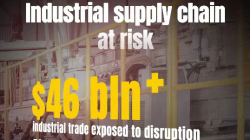
Middle East Tensions Disrupt Global Supply Chains
Geopolitical tensions in the Middle East disrupt global supply chains, affecting agriculture and industry, urging companies to adapt.

Unilever and Kraft Heinz Explore Merger to Unite Ketchup and Mayonnaise
Unilever and Kraft Heinz are discussing a merger of their ketchup and mayo businesses to boost efficiency and competitiveness.

Tianjin Ruiyuan Cuts Stake in Eastern Airlines Logistics
This commentary analyzes the implications of Tianjin Ruiyuan's planned reduction of shareholding in Eastern Airlines Logistics, exploring risks and opportunities for investors amid changing market conditions.