

Middle East Tensions Disrupt Global Supply Chains
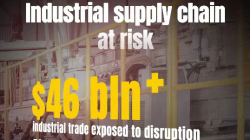
Geopolitical tensions in the Middle East are causing significant disruptions to global supply chains, which is now becoming a pressing concern for multiple sectors including agriculture and industry. As companies navigate through these tumultuous waters, it is increasingly crucial for them to adapt to a rapidly changing environment.
As geopolitical risks continue to escalate, the volatility that once primarily impacted the energy sector is now permeating agricultural and industrial supply chains. The ripple effects of these tensions are likely to be deeper and more extensive than previously anticipated.
The instability in the region has prompted businesses to reassess their supply chain strategies. Many companies are already feeling the pinch from rising costs and delays in procurement.
Moreover, as tensions flare, trade routes are becoming less predictable. This unpredictability raises the stakes for businesses reliant on prompt and efficient logistics.
In addition, the intricacies of international relations affect commodity prices, further complicating the economic landscape. Producers are facing uncertainty not just in supply, but also in the pricing of agricultural goods.
Firms are being urged to diversify their supply sources and develop robust contingency plans to mitigate risks. Such proactive measures can help safeguard against potential fallout from unforeseen geopolitical developments.
Importantly, the global economy is interlinked, and disruptions in one region can have cascading effects worldwide. As Middle Eastern tensions unfold, the implications for international trade must be monitored closely.
In conclusion, as companies grapple with these challenges, the onus is on them to innovate and adapt. The current environment necessitates a strategic rethink regarding supply chains to ensure resilience in the face of ongoing geopolitical instability.
Read These Next

Oil Prices Climb Amid Iran Tensions
Rising oil prices attribute to geopolitical tensions in the Middle East, particularly between Iran and its Arab neighbors. Analyzing market signals, corporate strategies, and macroeconomic implications provides insight into potential future trajectories for energy investors.

Unilever and Kraft Heinz Explore Merger to Unite Ketchup and Mayonnaise
Unilever and Kraft Heinz are discussing a merger of their ketchup and mayo businesses to boost efficiency and competitiveness.

Tianjin Ruiyuan Cuts Stake in Eastern Airlines Logistics
This commentary analyzes the implications of Tianjin Ruiyuan's planned reduction of shareholding in Eastern Airlines Logistics, exploring risks and opportunities for investors amid changing market conditions.