

France Battery Valley Showcases China EU Electric Vehicle Opportunities
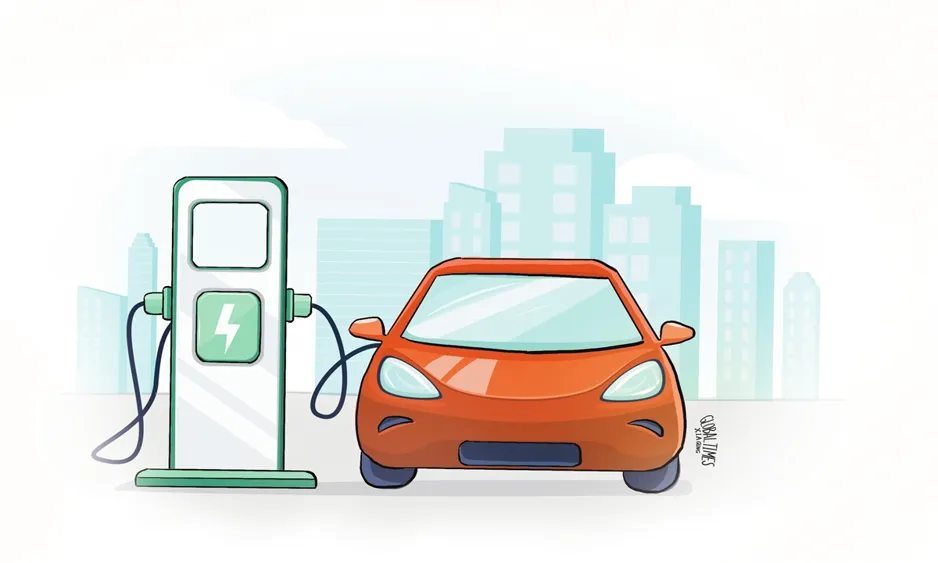
France's 'Battery Valley' is emerging as a pivotal platform for collaboration between China and Europe in the electric vehicle (EV) arena. This initiative takes place as French automaker Renault attempts to enhance its electric vehicle offerings to compete effectively with its Chinese counterparts.
Recent reports from CCTV News indicate that approximately 50 Chinese companies have made investments in the Hauts-de-France region, targeting sectors such as automotive, energy, and chemicals. The existing automotive infrastructure and strategic geographical advantages of this area provide a robust foundation for the burgeoning electric vehicle industry.
In alignment with similar trends across Europe, France is making significant strides in its EV industry. French automakers are not only focused on increasing domestic production of electric vehicles, but they are also prioritizing the consistent availability of essential components, particularly batteries. This industrial realignment is materializing in the Hauts-de-France region as efforts to develop a comprehensive manufacturing supply chain gain momentum.
China's well-established advantages within the electric vehicle supply chain present a natural and economically beneficial groundwork for collaborative efforts with France. The EV supply chain acts as an essential link, fostering industrial cooperation between Chinese provinces and Hauts-de-France, which ultimately generates advantageous opportunities for both regions.
Hauts-de-France's strong enthusiasm for Chinese investments further underscores the region's inherent need for such partnerships. Yann Pitollet, CEO of Nord France Invest, highlighted in a CCTV News interview that they frequently engage with Chinese companies, promoting the region as an ideal gateway to the European market and a strategic entry point for Chinese investments into Europe.
This proactive approach has aided in cultivating the supply chain within Hauts-de-France, attracting significant media coverage over recent years. A 2023 article in The Guardian noted the emergence of 'Battery Valley' in northern France, emphasizing its role in bolstering the French electric vehicle sector.
The competitive dynamics of the auto industry are exemplified by the Renault Group's recently unveiled strategic initiative, titled futuREady. This plan, launched on March 10, outlines an ambitious goal of introducing 36 new models by 2030, thereby accelerating electrification and enhancing its international offerings. The Renault 5, currently the best-selling EV in France, notably utilizes Chinese-manufactured batteries sourced from Hauts-de-France.
While there exists competition between French electric vehicle manufacturers and their Chinese peers in the marketplace, ongoing collaboration within the supply chain has been a longstanding component of this relationship. This synergistic industrial collaboration is crucial for bolstering the competitiveness of French manufacturers.
The scenario in Hauts-de-France illustrates a broader trend indicative of European manufacturing's potential. Rather than a need to 'decouple' from China, the focus should be on deepening integration with Chinese supply chains to foster a landscape of rational competition and mutual enhancement within the broader industrial setting.
This trend reflects a wider phenomenon observable throughout the European economic landscape, where Chinese investments have emerged as a primary catalyst for the growth of the EV supply chain. In 2024, estimates suggest that Chinese investments in the EV sector reached around 5 billion euros, marking a significant increase from previous years.
A mutually advantageous electric vehicle supply chain between China and Europe is on the rise. It is critical that this collaboration is not disrupted by political rhetoric or protectionist tendencies. Should Europe embrace supportive measures for such cooperation, including favorable conditions for Chinese investors, it would substantially enhance the development of Europe's EV supply chain, yielding benefits for all stakeholders. Conversely, imposing barriers to collaboration would adversely affect Europe's industrial progression.
Read These Next

Oil Prices Climb Amid Iran Tensions
Rising oil prices attribute to geopolitical tensions in the Middle East, particularly between Iran and its Arab neighbors. Analyzing market signals, corporate strategies, and macroeconomic implications provides insight into potential future trajectories for energy investors.
Middle East Tensions Disrupt Global Supply Chains
Geopolitical tensions in the Middle East disrupt global supply chains, affecting agriculture and industry, urging companies to adapt.
Unilever and Kraft Heinz Explore Merger to Unite Ketchup and Mayonnaise
Unilever and Kraft Heinz are discussing a merger of their ketchup and mayo businesses to boost efficiency and competitiveness.