

China's Five-Year Plans: The Benefits of Strategic Planning
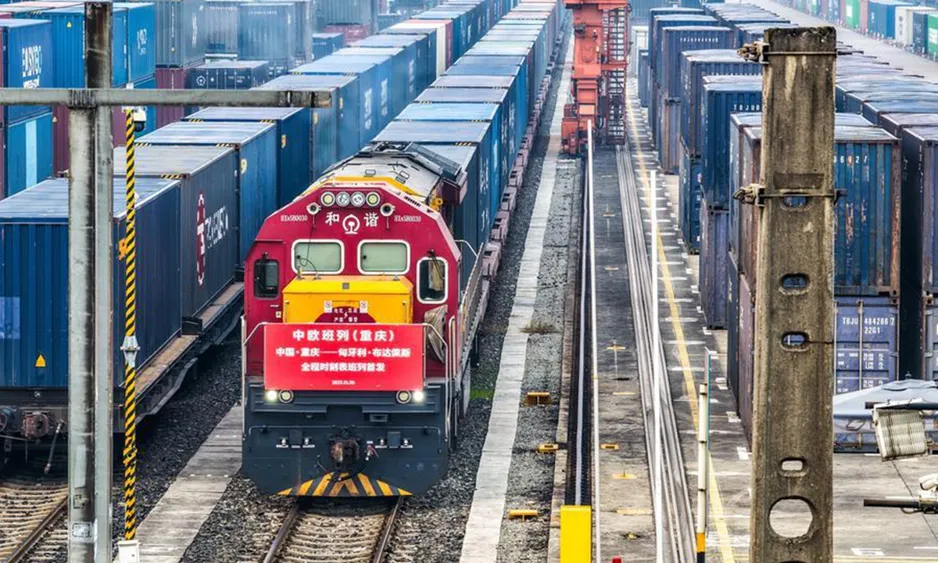
China's Five-Year Plans have become a crucial mechanism for shaping the country's socio-economic framework, aligning market dynamics with government ambitions to ensure sustained growth and adaptability. As national lawmakers and political advisors convene in Beijing for the annual 'two sessions,' significant attention will be given to the draft of the 15th Five-Year Plan, which will chart the course of China's economy from 2026 to 2030.
These five-year plans are rooted in China's development strategy, exemplifying how a nation with a population of 1.4 billion navigates modernization amidst technological advancements, demographic shifts, and an increasingly fragmented global landscape. The forthcoming plan is based on recommendations put forth by the Central Committee of the Communist Party of China in October 2025.
The 15th Five-Year Plan is ambitious, aiming not only to enhance China's economic stature, technological prowess, national defense, and global influence by 2035 but also to elevate living standards to those comparable to mid-tier developed economies. Integral to this planning process has been public engagement, highlighted by last year's online consultation, which garnered over 3.11 million contributions that were duly acknowledged and incorporated into the plan.
Since the inception of its first five-year plan in the early 1950s, China has journeyed from a predominantly rural society toward establishing a modern socialist state. Throughout this evolution, the core objective of social and economic advancement has remained constant. China's strategic planning has facilitated the development of one of the world's most comprehensive industrial systems and significant poverty alleviation.
Even though the five-year plans originated within a planned economy framework, they have adapted to become instruments of macroeconomic management, effectively balancing the roles of market forces and government directives. These plans present medium- to long-term goals, prioritize key sectors, and outline policy frameworks that steer national growth.
As American scholar John Naisbitt remarked, the Chinese planning methodology is akin to 'framing the forest and letting the trees grow,' establishing broad national priorities while allowing sectors to innovate and expand according to their specific needs. This dynamic enables an agile response to emerging opportunities, while simultaneously mobilizing resources toward significant national objectives.
The effectiveness of the planning system becomes particularly evident during significant initiatives, such as the campaign against extreme poverty, established within the 13th Five-Year Plan. This plan provided clear targets to eliminate poverty among rural residents and instituted a robust implementation framework, establishing ongoing monitoring systems and significantly investing in infrastructure.
Analysts have emphasized that the execution of such a far-reaching agenda relies heavily on centralized governance that can unify disparate local initiatives. Furthermore, the planning framework imbues a forward-looking perspective, enabling China to address long-term challenges like aging demographics and energy transitions while mitigating the influence of momentary political pressures.
China’s emphasis on long-term planning is exemplified through its focus on artificial intelligence (AI), since its inclusion in the 13th Five-Year Plan a decade ago. The subsequent rise of AI has been reinforced through strategic initiatives aimed at incorporating this technology into the broader economy, demonstrating that foresight in its planning yields substantive advancements.
As businesses and investors navigate the complexities of the global economic landscape, the predictability inherent in China’s five-year plans emerges as a key advantage, allowing for sustained investment strategies amid potential fluctuations. The anticipated legislation from the National People's Congress intending to regulate national development planning is expected to bolster this ongoing consistency in policy execution.
Read These Next
China Sets 2026 GDP Growth Target at 45 to 5 Percent
China targets GDP growth of 4.5% to 5% for 2026, emphasizing long-term planning, high-quality growth, and stability.

Costco Reports Q2 Revenue of 69.6 Billion on March 6
Costco's Q2 revenue hits $69.6B, beating estimates, with EPS at $4.58, driven by strong consumer demand and membership growth.
European Commission Launches Made in EU Plan Amid Protectionism
EU's 'Made in EU' initiative raises trade concerns, urging local production while warning of global supply chain disruptions.