

European Commission Launches Made in EU Plan Amid Protectionism
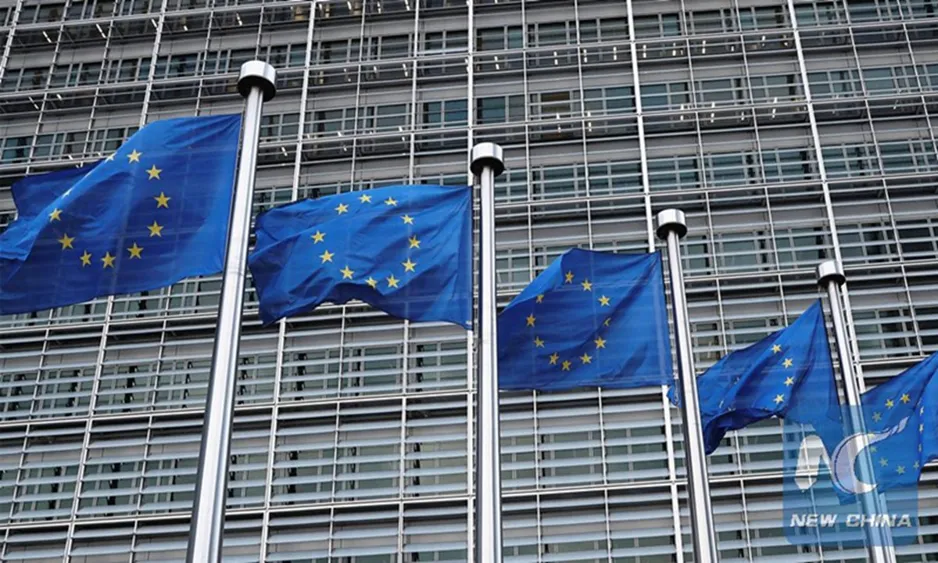
The European Commission has introduced a contentious 'Made in EU' initiative aimed at prioritizing locally produced goods in public subsidies and procurement. This initiative seeks to enhance the competitiveness of the EU's manufacturing sector amidst ongoing divisions among member states.
Critics, including representatives from major trading economies, have raised concerns over the bloc’s turn toward protectionism. A Chinese expert has suggested that the initiative reflects the EU's gravitation towards stricter local-content requirements, which could undermine competition and elevate costs for downstream industries.
Central to the proposal is the Industrial Accelerator Act, which envisions specific mandates for European content and low carbon emissions in key sectors such as steel, cement, aluminum, automobiles, and net-zero technologies. Future expansions may incorporate additional energy-intensive industries including chemicals.
The European Commission asserts that the initiative will bolster production capacities within Europe and stimulate demand for domestic clean technologies. The ambitious goal is to increase the manufacturing sector's share of the EU's gross domestic product to 20 percent by the year 2035.
Moreover, the proposed legislation intends to impose stricter conditions on foreign direct investments in emerging sectors like electric vehicles and photovoltaics. For projects exceeding 100 million euros, it will require at least 50 percent EU-based employment and mandate technology exchange.
This initiative highlights the EU's apprehensions surrounding its dwindling industrial capacity and the competitive pressures from external markets. Experts argue that this 'protectionist' plan signifies greater governmental involvement in market dynamics, potentially stifling true free-market interaction.
The initiative, part of the broader EU Clean Industrial Deal, is still in its legislative infancy and requires approval from both the European Parliament and the Council before becoming effective.
Despite the intention of safeguarding European interests, concerns persist that such protectionist measures might inadvertently elevate production costs and weaken the global competitiveness of European goods.
Dissent within the EU is palpable, with nine member states expressing the need for caution regarding the 'Made in Europe' approach, highlighting worries about its potential ramifications on prices and competition.
Trade partners, including the UK, Japan, and Turkey, have also voiced apprehensions. The UK’s business secretary recently urged the EU to cease imposing barriers that could hinder international collaboration.
While the proposal does not explicitly aim at China, interpretations in Western media suggest it seeks to reduce reliance on Chinese products and enhance European competitiveness. However, experts caution that limiting access to established Chinese supply chains could hinder the EU's decarbonization objectives.
Finally, there are significant questions regarding whether the proposal will evolve substantially before reaching completion, given the lack of alignment with the interests of various EU member states and industries.
Read These Next

Brazil Trade Official Says Oil Not Only Factor in Trade Balance
Brazil's trade official emphasized at a conference that multiple factors, not just oil, influence trade balance and strategies.

Impact of New Regulations on Corporate Governance and Trust
Commentary on recent corporate regulations regarding notification procedures, mergers and acquisitions, and financial trends emphasizing stakeholder communication, risk management, and implications of compliance.

USA-Iran Conflict Stirs Turbulence in Oil Prices
The commentary analyzes the impact of the USA-Iran conflict on global oil prices and the subsequent effects on consumer behavior, corporate strategy, and the economy.