

Impact of New Regulations on Corporate Governance and Trust

The recently outlined changes in corporate notification procedures and guidelines for mergers and acquisitions signify a significant shift in how companies communicate and manage financial operations. This development is particularly relevant given the growing complexity of corporate governance and the need for transparency in stakeholder interactions. Establishing clear protocols for notifications—whether through personal delivery, email, or public announcements—will not only enhance compliance but also fortify trust among investors and regulators alike.
In terms of financial trends, the report's focus on capital changes and rigorous debt management underscores an essential duality that companies must navigate. The recommendations for adjusting share capital, alongside specific conditions regarding shareholder rights, are especially timely in light of recent economic pressures stemming from inflationary pressures and interest rate hikes. With the global economy's risk of recession looming, determining the right balance between increasing share capital during favorable market conditions while managing debt effectively is a tightrope that companies must walk.
Additionally, the definitions surrounding liquidations and bankruptcies raise a crucial question: are companies adequately prepared for the operational realities of downturns? This report delineates circumstances under which a company can be liquidated, emphasizing transparency in communication with creditors. However, it also highlights the complex liabilities placed upon shareholders, particularly in times of capital restructuring. The financial implications of these procedures could be significant, as they potentially expose companies to legal repercussions should they fail to adhere to the new protocols.
In conclusion, while these regulatory updates may enhance corporate integrity and stakeholder trust, they also prompt stakeholders to consider the unforeseen consequences that may arise. For instance, as companies navigate these new requirements, will they inadvertently slow down decision-making processes within their boards? Ultimately, stakeholders—including investors, regulators, and consumers—must maintain a vigilant approach as they adapt to these changes, ensuring that they do not overlook the broader economic trends impacting corporate performance. As we move forward, the importance of structural clarity in corporate governance will only amplify, particularly in times of financial uncertainty.
Read These Next
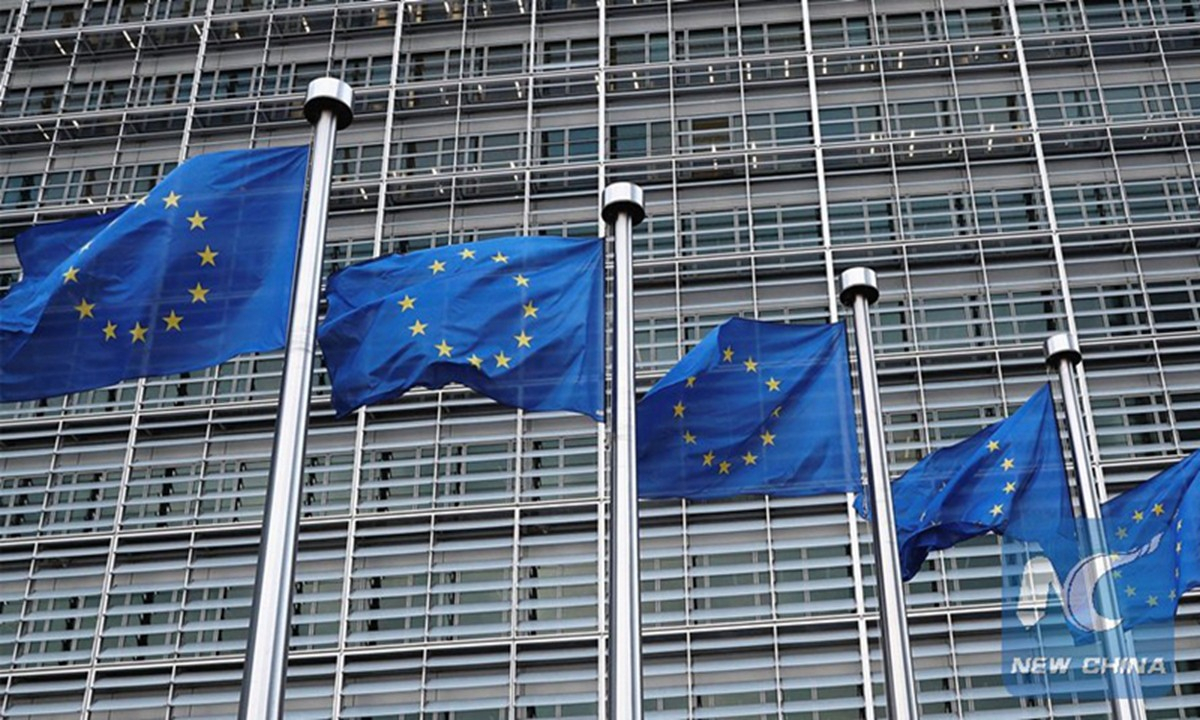
European Commission Launches Made in EU Plan Amid Protectionism
EU's 'Made in EU' initiative raises trade concerns, urging local production while warning of global supply chain disruptions.

Brazil Trade Official Says Oil Not Only Factor in Trade Balance
Brazil's trade official emphasized at a conference that multiple factors, not just oil, influence trade balance and strategies.

USA-Iran Conflict Stirs Turbulence in Oil Prices
The commentary analyzes the impact of the USA-Iran conflict on global oil prices and the subsequent effects on consumer behavior, corporate strategy, and the economy.