

Strait of Hormuz Closure Threatens Global Economies
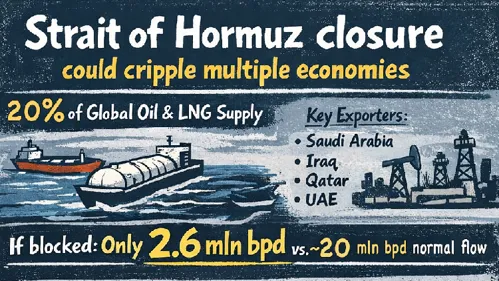
The recent closure of the Strait of Hormuz poses a serious threat to global economies, disrupting a vital conduit for oil transport. An adviser to the Iranian armed forces warned late Monday that Iran would target any vessels attempting to traverse the strait, escalating tensions in this critical region.
The Strait of Hormuz is a crucial pathway, responsible for about 20% of the global oil supply. Its closure not only affects the Middle Eastern oil producers but has far-reaching implications for economies worldwide that rely heavily on steady oil imports.
Countries across the globe are beginning to express concerns over the potential ramifications of this closure. Analysts warn that significant disruptions in oil supply could lead to spikes in oil prices, consequently affecting inflation and economic growth.
In addition to the immediate economic impact, the situation underscores the importance of diplomatic engagement in the region. Stakeholders are urged to seek peaceful resolutions to avoid escalation that could further destabilize global markets.
The international community is closely monitoring developments in the Strait of Hormuz, with many experts suggesting that proactive diplomatic measures are essential to ensure the unhindered flow of oil.
Visual representations of the situation highlight the potential economic fallout, reminding stakeholders of the strait's strategic importance in global energy dynamics. The infographic illustrates how widespread the impact of a prolonged closure could be.
Read These Next

Jiangsu Lianrui's Strategy to Hedge Currency Risks
This commentary analyzes Jiangsu Lianrui New Materials Co., Ltd.'s annual report, focusing on its expansion of overseas operations and proactive hedging strategies, while examining the inherent risks and broader economic trends.

China NEV wholesale set to grow 13% to 173 million units by 2026
China's wholesale sales of new-energy vehicles expected to grow 13% this year, driven by advances in self-driving tech and global expansion.

Fitch Warns Saudi Banks May Stop Growth Amid Iran Conflict
Fitch warns that ongoing Iran-Saudi conflict could stall Saudi banking growth and dividends, raising concerns for regional stability.