

Capital Management in Hong Kong: Recent Developments Overview

In the current financial landscape, the business maneuvers of companies serve not only to bolster operational efficiency but also to provide clues about market sentiment and investment strategies. A recent analysis reveals a few significant shifts within a Hong Kong-based firm, particularly in capital management and compliance. As the global economy seeks stability amidst fluctuating economic indicators, understanding these changes can provide critical insights into broader market dynamics.
The company has upheld its registered capital at HKD 200 million, with a recent uptick in issued shares from 105.8 million to 106.1 million—a development that suggests positive momentum. The rise in share issuance, potentially driven by employee stock option exercises, hints at increasing investor confidence or improved employee buy-in through equity participation. Notably, an inflow of liquidity, recorded at HKD 184,800 monthly from stock option exercises, reflects an active engagement from stakeholders, which is crucial in a market that values robust liquidity.
Moreover, the issuance of convertible bonds, amounting to HKD 19 million with the potential conversion into over 69 million shares, illustrates the company’s proactive approach to capital management. While this may provide necessary funds for growth, it raises questions regarding equity dilution and the long-term impact on existing shareholders' returns. Investors must carefully evaluate whether such financing strategies enhance corporate value or hinder share price stability—an aspect that harkens back to the lessons learned during the dot-com bubble when excessive dilution eroded investor sentiment.
Additionally, there is a pressing need for vigilance regarding regulatory compliance. The strict oversight imposed by the Hong Kong Stock Exchange necessitates meticulous adherence to defined shareholding percentiles and disclosure requirements, which not only safeguard investor interests but enhance market integrity. Yet, this regulatory landscape presents challenges; failure to comply can lead to negative repercussions such as heightened scrutiny and volatility, as seen in previous market corrections.
In conclusion, while the company’s strategies reflect a dynamic approach to managing equity and compliance, the risks associated with reliance on stock options and convertible bonds warrant careful monitoring. Balancing the benefits of capital inflows against potential dilution effects will be key to sustaining investor confidence. As we move forward, will this firm navigate these waters successfully, or might it fall prey to the unforeseen consequences of its financing strategies? Stakeholders, from institutional investors to regulators, must remain attuned to these developments as the broader market evolves.
Read These Next

Zhejiang Hengtong's Strategic Waiver: Opportunity or Prudence?
Zhejiang Hengtong Holdings waives its right to acquire a majority stake in Hebei Shengxue Dacheng Pharmaceutical, reflecting strategic decisions amid current market dynamics. Financial trends show asset growth but declining net profit, suggesting underlying operational concerns.
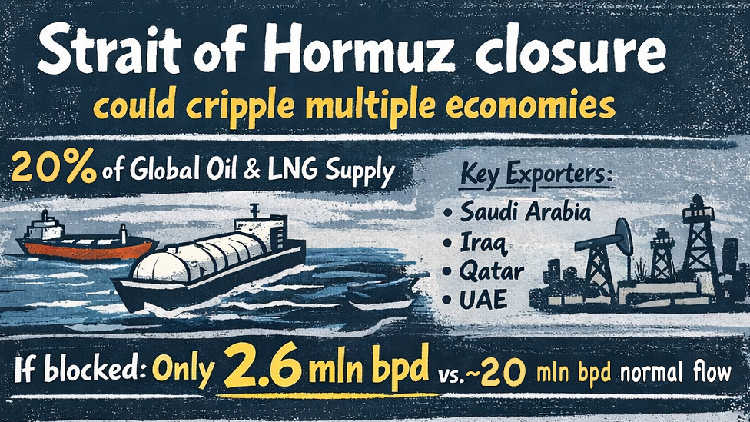
Strait of Hormuz Closure Threatens Global Economies
Closure of the Strait of Hormuz could disrupt global oil supply and economies, highlighting the need for diplomatic engagement.

Deep Tianma Repurchases 184391 Million Shares for 173 Million Yuan
Shenzhen Tianma A repurchased 18.4M shares for 173M yuan by Feb 2026, boosting shareholder returns and investor confidence.