

FedEx's Optimism: Impact on Consumer Confidence and Logistics

FedEx's recent announcements during its investor day have cast a spotlight on the company’s optimistic outlook for the upcoming fiscal years, especially in light of a robust Christmas season and anticipated revenue growth. This confidence, echoed with projected earnings per share (EPS) estimates of $3.99 for the third quarter, appears to not only bolster FedEx's position but also potentially influence broader economic perceptions regarding consumer spending and confidence. In essence, this could signal a recovery trajectory not just for the shipping giant, but for the logistics sector as a whole.
One of the critical undercurrents driving this optimism is FedEx's focus on digital innovation and efficiency enhancements. With plans to innovate through automation and the recent agreement to acquire European company InPost, FedEx is strategically positioning itself to thrive in a competitive landscape. By forecasting approximately $98 billion in consolidated revenues by fiscal year 2029 at a compound annual growth rate (CAGR) of 4%, the company is evidently adapting to market shifts and harnessing consumer demand that is likely recovering post-pandemic. Interestingly, such forecasts could signal a broader stabilization in consumer confidence alongside increased spending, providing necessary fuel for an often-volatile logistics and transport market.
Moreover, there is a historical context to consider; looking back at the 2008 crisis, companies that displayed resilience through strategic innovations were often able to emerge stronger. Much like the tech sector following the dot-com bubble, FedEx’s current trajectory could encourage not just itself but also competitors to invest heavily in operational efficiencies and market positioning. However, the crucial question remains: are these projections truly sustainable in the face of potential economic headwinds such as inflation or geopolitical uncertainties? FedEx’s plans to spin off its freight business and continue cost-reduction efforts underscore a necessity rarely highlighted in optimistic forecasts–the potential risks surrounding margin compression in increasingly competitive segments. This presents not only challenges but opportunities for agile firms within the industry.
As we reflect on FedEx's earnings report and outlook, the implications extend beyond the company's bottom line. While investors may revel in the forecasted revenue and earnings growth, it’s essential to remain cognizant that such optimistic outlooks may lead to overestimation of future performance if consumer behaviors shift unexpectedly post-holidays or if economic resilience falters. For stakeholders across the board, including regulators and consumers, FedEx’s journey may serve as a barometer for the health of the logistics sector going forward. Ultimately, the ability of FedEx to execute its vision effectively may resonate beyond its corporate walls, driving transformation and competitive strategies throughout the logistics and transportation landscape.
Read These Next

Kangxin Pharma's Buyback Boosts Shareholder Confidence
Kangxin Pharmaceutical Group Limited executed a share buyback program, purchasing 100,000 shares at 15.505 HKD each. This initiative reflects an effort to enhance shareholder value, indicating confidence in future performance, while also posing potential risks regarding liquidity and capital allocation strategies.

Economic Impact of Repealing EPA's Endangerment Finding
An analysis of the consequences of the repeal of the EPA's endangerment definition by the Trump administration indicates serious impacts on finances across sectors, highlighting the long-term risks associated with climate change.
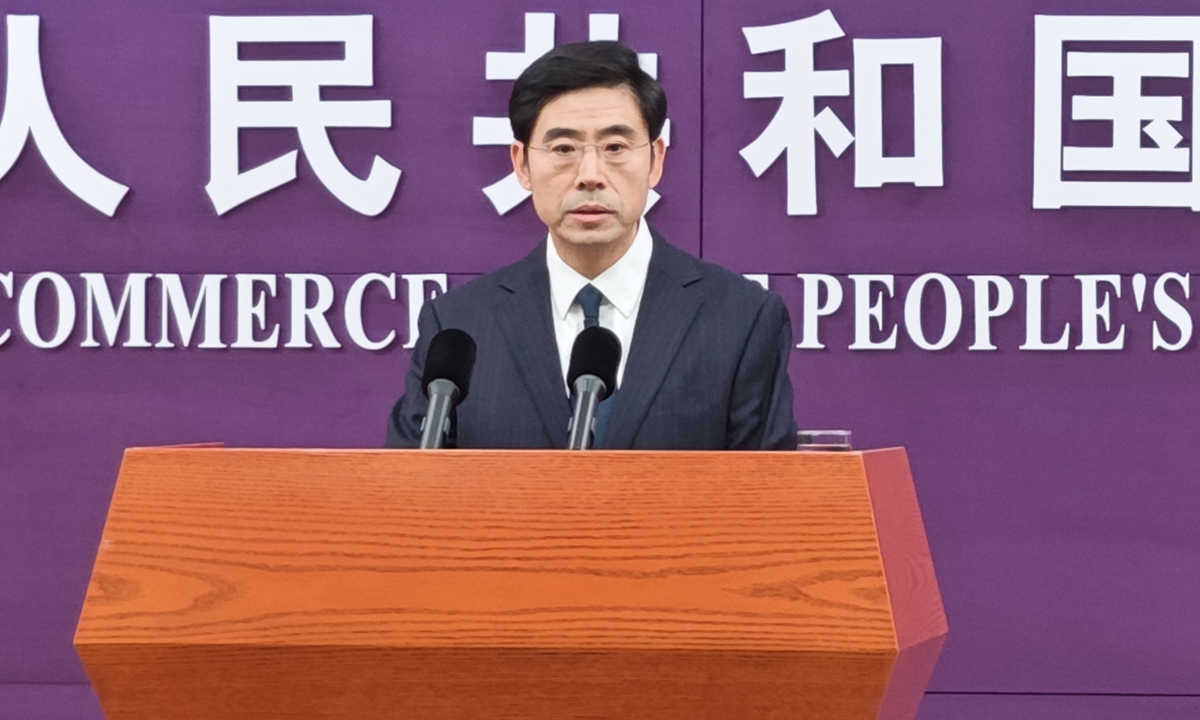
China Encourages Electric Vehicle Price Deals with EU After Volkswagen
China's MOFCOM is optimistic about Chinese EV brands' collaboration with the EU after a tariff exemption for Volkswagen.