

Kangxin Pharma's Buyback Boosts Shareholder Confidence

Kangxin Pharmaceutical Group Limited's recent execution of a share buyback program is a notable reflection of its commitment to enhancing shareholder value, amidst broader financial market dynamics. On February 12, 2026, the company successfully canceled 100,000 shares, executing the buyback at a price of 15.505 HKD per share. This strategic move implies a clear signal from management regarding its confidence in the company's future performance and its intention to optimize capital allocation. Share buybacks are often interpreted as a positive indicator; they can bolster earnings per share (EPS) metrics, which in turn may bolster stock prices and investor sentiment.
Analyzing the implications of such share buybacks reveals a dual-edged sword. With the total issued shares decreasing from 841,508,111 to 841,408,111, Kangxin Pharmaceuticals is effectively reducing its overall equity base. While the immediate effect is increased EBITDA margins per share due to the reduction in share count, the question that arises is: Are they using the right capital? Share buybacks, while beneficial in the short-run, can also signify a lack of profitable reinvestment opportunities within the company. In a market characterized by a cautiously optimistic recovery from the pandemic-induced economic downturn, companies facing this scenario might be tempted to prioritize short-term shareholder returns over long-term strategic investments, possibly overlooking growth avenues in R&D or market expansion.
Furthermore, while there are no immediate financial risks from this specific share buyback, the trend presents potential liquidity concerns should Kangxin Pharmaceuticals engage in frequent buybacks without a stringent evaluation of cash flows and capital needs. As seen during the 2008 financial crisis, excessive focus on returning capital to shareholders can detract from necessary liquidity reserves, leading to distress in a downturn. Thus, while the company may be signaling strong internal conviction, regulatory compliance and judicious financial management will be critical to balance the benefits of share repurchases against the backdrop of potential market pressures. The ramifications for stakeholders, including investors expecting share price appreciation and regulators monitoring compliance with trading norms, must be carefully managed.
Read These Next

Economic Impact of Repealing EPA's Endangerment Finding
An analysis of the consequences of the repeal of the EPA's endangerment definition by the Trump administration indicates serious impacts on finances across sectors, highlighting the long-term risks associated with climate change.
China Encourages Electric Vehicle Price Deals with EU After Volkswagen
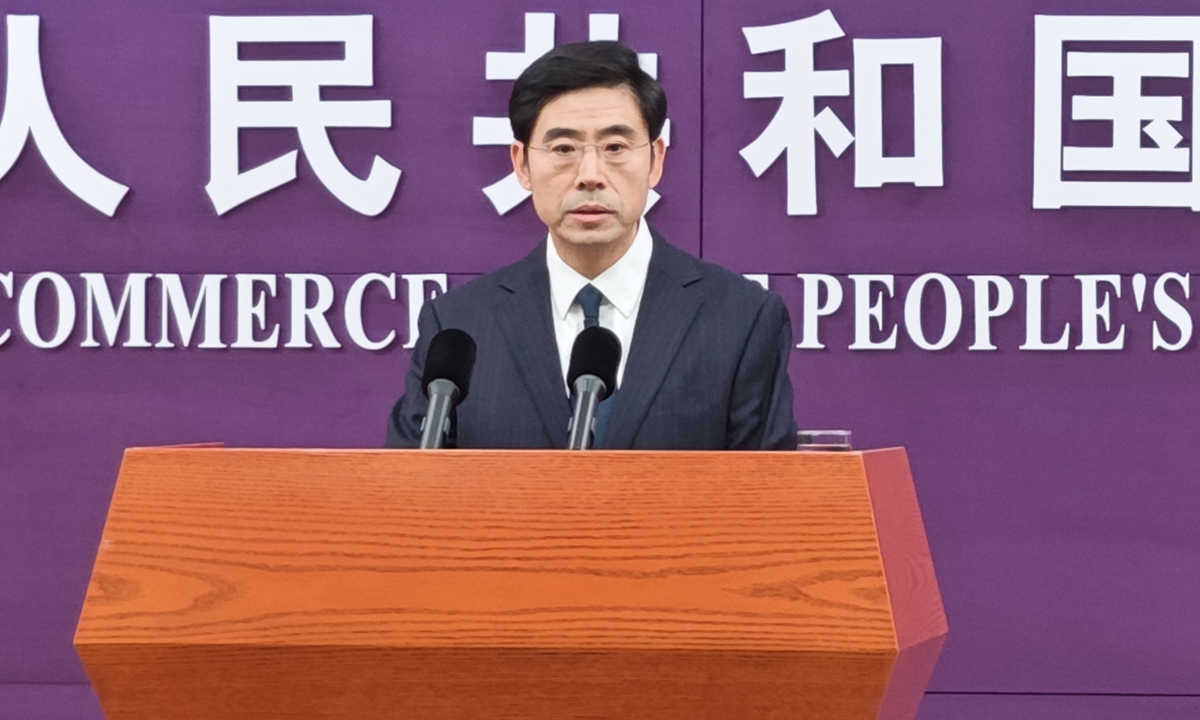
China's MOFCOM is optimistic about Chinese EV brands' collaboration with the EU after a tariff exemption for Volkswagen.

Zhipu Chuang A Rehires Guotai Junan for Counseling Filing
Zhipu Company pushes forward its A-share listing, changing IPO advisors and aiming for the Sci-Tech Innovation Board.