

Company Adjusts Strategy Amid Project Cancellations

In a significant strategic pivot, a company has recently announced the cancellation of various critical projects, including the production of 10,000 tons of active dyes and a technical transformation initiative for H-acid (Phase II). This decision not only underscores the company's responsiveness to current market dynamics but also raises questions about its long-term operational sustainability. The implications of such cancellations are profound, potentially indicating a re-evaluation of the company's growth trajectory amid fluctuating industry demands and economic pressures.
Financially, the company has displayed caution by increasing its current assets, which rose to 50 million, a notable adjustment given the recent project cancellations. This surge in current assets suggests a strategic prioritization of liquidity, aimed at weathering potential disruptions from the halted projects. With the total net impact linked to these changes reflecting -88,225.63, the figures convey both the immediate financial toll and the overall health of the company's cash flow. Such a proactive approach to bolster financial stability is crucial, especially as current and future revenue streams may be hampered by the cancelled undertakings.
Historically, company decisions like this can be reminiscent of broader economic trends seen during past crises, reminiscent of the aftermath of the 2008 financial crisis when firms faced similar recalibrations in project viability due to swiftly changing market conditions. The parallels serve as a reminder for stakeholders: amid temporary setbacks, reassessing company strategies can lead to renewed efficiencies and targeted investments. However, this time, the company risks undermining its production capacity and future profitability by sidelining key projects, revealing the delicate balance between short-term liquidity and long-term growth aspirations.
The cancellation of these pivotal projects not only introduces a layer of financial risk but also invites scrutiny regarding the underlying decision-making processes. While focusing on liquidity is prudent, should the company have adhered to a more diversified project portfolio to mitigate such risks? Ultimately, stakeholders, including investors and regulators, must weigh these developments carefully. The current situation serves as a poignant reminder: while the company maneuvers to stabilize its financial footing, the potential for unintended consequences, such as jeopardizing future production capabilities and market positioning, must be acknowledged.
In conclusion, the company's recent project cancellations and accompanying financial strategies illustrate a critical juncture that calls for both caution and innovation. Moving forward, investors should remain alert to the ongoing financial adjustments and the company’s ability to navigate these strategic shifts. As market conditions fluctuate, how the company manages this balancing act between immediate liquidity needs and long-term viability will be key in determining its success and resilience against potential market headwinds.
Read These Next

Goldman Sachs Adopts AI to Transform Financial Operations
Goldman Sachs is collaborating with Anthropic to automate vital accounting and compliance roles, marking a strategic move towards enhancing efficiency and cost control through AI in financial services.
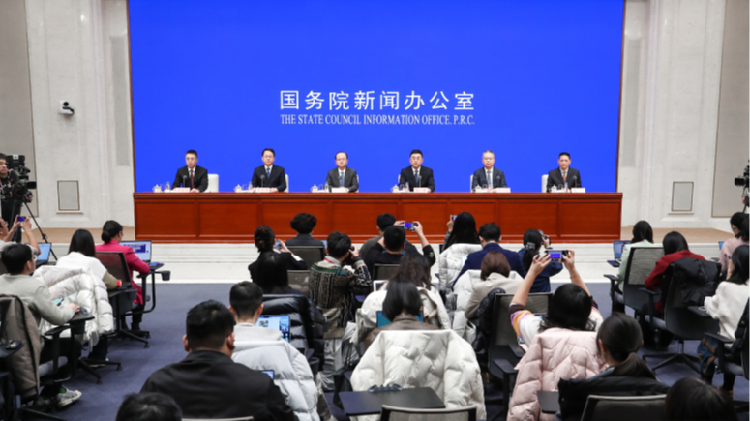
China Introduces New Policy Package to Boost Service Consumption
China introduces a policy to boost consumer spending in the service sector, aiming to enhance industries and meet consumer expectations.

Chengdu Qinchuan's Leadership Changes: Opportunities and Risks
The commentary analyzes the recent corporate governance changes at Chengdu Qinchuan Internet of Things Technology Co., highlighting the potential strategic shifts and associated risks involved. It examines the broader implications of leadership transitions in the context of the IoT sector, compliance with regulatory expectations, and historical precedents in corporate leadership changes.