

China Introduces New Policy Package to Boost Service Consumption
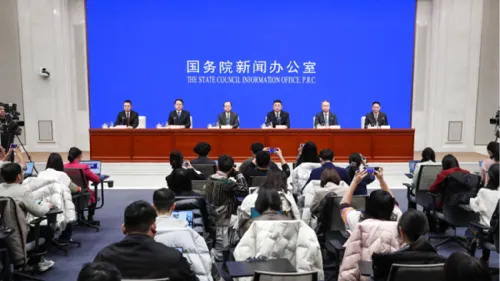
Chinese authorities have announced a comprehensive new policy package aimed at stimulating consumer spending within the service sector. This initiative reflects a strategic shift focused on maximizing domestic demand and enhancing the nation’s economic momentum, particularly through the promotion of diverse, high-quality lifestyle experiences.
The newly introduced plan presents a clear three-pronged strategy designed to rejuvenate essential sectors, unlock potential within emerging fields, and bolster systemic support frameworks. This strategy was articulated by Vice Minister of Commerce Yan Dong during a recent policy briefing at the State Council Information Office.
Central to this initiative is the emphasis on both established and evolving sectors of the service economy. Areas earmarked for targeted growth include transportation, housekeeping, online audiovisual offerings, senior care tourism, automotive aftermarket services, and inbound consumption. Additionally, the plan identifies burgeoning fields such as live performances, sporting events, and the rapidly expanding sector of emotional and experiential services, which cater to consumer desires for enhanced mood and immersive experiences.
"We will implement an industry-by-industry approach to develop tailored supportive policies for each specific sector, ensuring the effective application of measures designed to improve the quality of service consumption," Yan stated, outlining the intended path for policy execution.
The proposed policy package includes a range of innovative, sector-specific initiatives. This encompasses exploring a graded classification management system for car modifications and optimizing safety protocols for large public events. It also includes the creation of specialized tourist routes and themed train services aimed at senior travelers. On a larger scale, the plan commits to easing market access, eliminating unreasonable barriers, fostering premium brands, and improving the overall consumption context.
The initiative is accompanied by an examination of significant structural changes in consumption patterns in China. According to Kong Dejun, director-general of the Department of Service Trade and Commercial Services at the Ministry of Commerce, the emphasis in resident consumption is shifting from predominantly goods-oriented to a balanced focus on both goods and services. Projections indicate that between 2020 and 2025, per capita spending on services in China is expected to grow at an annual average rate of 8.5 percent.
"This shift underscores the importance of service consumption as a pivotal driver of high-quality economic development," Kong emphasized, highlighting how consumer preferences have evolved from mere availability of services to heightened demands for superior quality, personalization, and variety.
In a related development, data from the Ministry of Commerce indicated that by 2025, the number of foreign nationals traveling to and from China soared by 26.4 percent year-on-year, totaling 82.035 million. Moreover, tax-refund sales for departing tourists saw an impressive increase of 95.9 percent, backed by nearly 13,000 tax-refund outlets nationwide.
Riding this upward trend, the ministry aims to spearhead policies that promote travel service exports while enhancing inbound spending. This will encompass a variety of sectors including tourism, business ventures, international sporting events, cultural entertainment, wellness, and educational training. Additionally, authorities plan to stimulate the growth of five international consumption center cities—Shanghai, Beijing, Guangzhou, Tianjin, and Chongqing—by encouraging premium consumption options and creating a more globally appealing environment.
Read These Next

Company Adjusts Strategy Amid Project Cancellations
Analysis of a company's recent strategic shifts involving project cancellations and adjustments in financing, focusing on liquidity, risks, and historical context.

Goldman Sachs Adopts AI to Transform Financial Operations
Goldman Sachs is collaborating with Anthropic to automate vital accounting and compliance roles, marking a strategic move towards enhancing efficiency and cost control through AI in financial services.

Chengdu Qinchuan's Leadership Changes: Opportunities and Risks
The commentary analyzes the recent corporate governance changes at Chengdu Qinchuan Internet of Things Technology Co., highlighting the potential strategic shifts and associated risks involved. It examines the broader implications of leadership transitions in the context of the IoT sector, compliance with regulatory expectations, and historical precedents in corporate leadership changes.