

Canada Unveils New Electric Vehicle Strategy with China Partnership

Canada has unveiled an ambitious new electric vehicle (EV) strategy, marked by a strategic partnership with China. Announced by Prime Minister Mark Carney, this initiative aims to revitalize the Canadian automotive industry by fostering new economic cooperation and diversifying international trade relationships.
According to Carney, this strategy is a response to the previous government's strong alignment with the U.S. and represents a move to decrease reliance on a single trade partner. Notably, this collaboration with China is seen as vital for spurring investment and enhancing trade diversification.
Expert opinions highlight that Canada's pivot toward a more cooperative stance with China could serve as a model for other countries, particularly U.S. allies. This shift in policy is expected to strengthen mutual economic benefits and capitalize on China's strengths in EV production.
Under this renewed strategy, the Canadian federal government will introduce a five-year, 2.3 billion Canadian dollar EV Affordability Program, which aims to incentivize consumers to adopt more environmentally friendly vehicles. This program will offer up to 5,000 Canadian dollars for battery-electric and fuel cell electric vehicles, while promoting plug-in hybrids with subsidies of up to 2,500 Canadian dollars.
The Canadian government's partnership with China involves permitting a specific volume of Chinese EV imports into its market and encourages Chinese investments in local joint ventures. This approach is aimed at not only improving technological accessibility but also bolstering the domestic automotive sector in response to global market trends.
Carney emphasized that these new policies are pivotal for transforming Canada's economy. They are particularly crucial in light of economic challenges and sovereignty concerns arising from recent tensions with the U.S., reflecting a proactive approach to safeguard national interests in the automotive sector.
In addition to addressing domestic needs, experts note that increasing collaboration with China in the EV field could lead to job creation and significant tax revenue for Canada, while also enhancing its overall industrial framework.
The previously announced quota for 49,000 Chinese EVs to enter Canada annually at a favorable tariff rate underscores the government's commitment to making electric vehicles more accessible. This quota is expected to increase each year, further solidifying the bilateral trade relationship.
As Canada navigates its new trade relationship with China, industry experts anticipate a positive ripple effect on global trade dynamics, especially amongst U.S. allies facing tariff challenges. This growing trend towards cooperative economic practices reflects a shifting landscape in international trade.
Read These Next

Chengdu Qinchuan's Leadership Changes: Opportunities and Risks
The commentary analyzes the recent corporate governance changes at Chengdu Qinchuan Internet of Things Technology Co., highlighting the potential strategic shifts and associated risks involved. It examines the broader implications of leadership transitions in the context of the IoT sector, compliance with regulatory expectations, and historical precedents in corporate leadership changes.

Senate's Push for Cryptocurrency Legislation: A Critical Moment
This commentary analyzes significant developments regarding cryptocurrency legislation in the U.S. Senate, discussing the bipartisan efforts led by John Boozman and the potential implications for the digital asset market.
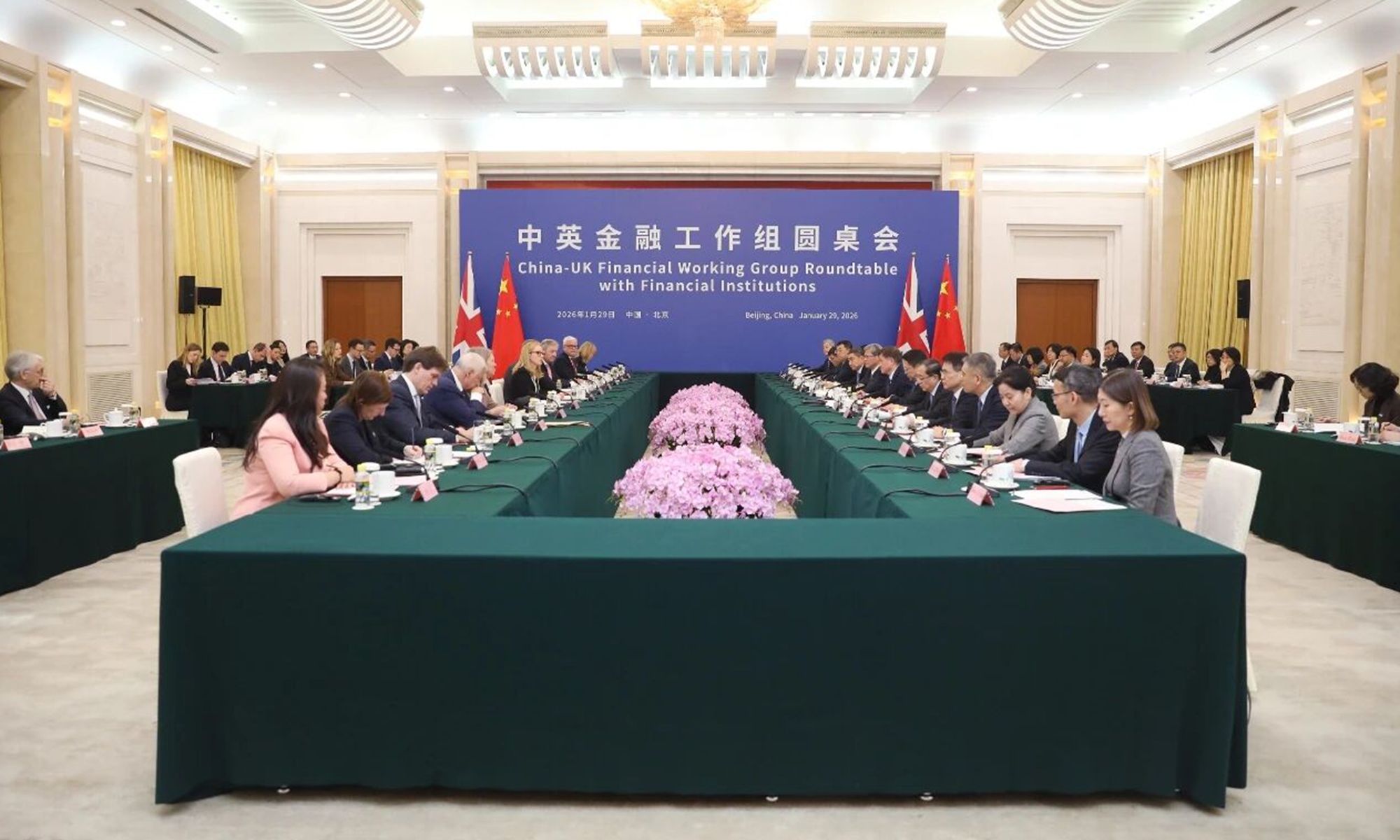
China UK Financial Working Group Inaugural Meeting in Beijing
The China-UK Financial Working Group meeting focused on cooperation, financial stability, and market development between the two nations.