

South Korean Stocks Surge 5%, Trade Suspended Amid Market Optimism

Market movements in Asia on February 2, 2026, strongly reflected the optimism surrounding a newly announced trade agreement between the United States and India. This development not only sparked considerable interest among investors but also triggered sharp equity gains across the Asia-Pacific region. The South Korean KOSPI index, buoyed by this sentiment, surged over 5%, leading to a trading suspension meant to curb volatility. Such a dynamic market response underscores the significance of international trade agreements and their immediate impact on regional stock performances, particularly in economies heavily reliant on exports like South Korea.
Following a phone call between U.S. President Donald Trump and Indian Prime Minister Narendra Modi, which added details about reduced tariffs and increased American goods purchases, the financial markets reacted positively. The agreement included a commitment from India to cease imports of Russian oil, shifting its sourcing preferences towards the U.S. and potentially Venezuela. This strategic shift may not only enhance U.S.-India relations but could also reshape the geopolitical landscape of energy supply chains. For stakeholders, including institutional investors, this presents an opportunity to reassess portfolios based on these shifting dynamics in global trade.
The ripple effects of this trade deal extended beyond immediate equity gains. The Japanese markets also saw significant upward movements, with the Nikkei 225 climbing 2.44%, reflecting pan-Asian optimism. However, the volatility in precious metals remains a critical watchpoint, especially following a historical drop in silver prices, which plummeted nearly 30% in one day. As market participants digest these concurrent events, questions arise: How sustainable is the newfound optimism, and what are the potential risks of overexposure to sectors like technology and precious metals that are currently under pressure? Such market conditions highlight the precarious balance investors must navigate amid shifting economic landscapes and policy decisions.
Read These Next

Oil Prices Climb Amid Iran Tensions
Rising oil prices attribute to geopolitical tensions in the Middle East, particularly between Iran and its Arab neighbors. Analyzing market signals, corporate strategies, and macroeconomic implications provides insight into potential future trajectories for energy investors.
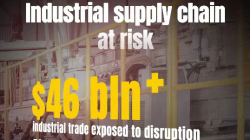
Middle East Tensions Disrupt Global Supply Chains
Geopolitical tensions in the Middle East disrupt global supply chains, affecting agriculture and industry, urging companies to adapt.

Unilever and Kraft Heinz Explore Merger to Unite Ketchup and Mayonnaise
Unilever and Kraft Heinz are discussing a merger of their ketchup and mayo businesses to boost efficiency and competitiveness.