

U.S. Blockade's Impact on Iranian Oil and Economic Stability

The recent American blockade of Iranian ports has significant implications for the global oil market and broader economic stability. This dramatic escalation arises from faltered negotiations between Washington and Tehran, prompting fears of a prolonged conflict in the Middle East. Given the central role oil plays in the global economy, the price surges triggered by this political maneuver could have far-reaching consequences.
In the wake of the blockade, crude oil prices have surged considerably. West Texas Intermediate (WTI) climbed 7.5% to reach $103.78 per barrel, while Brent, the international benchmark, rose by 6.97% to $101.85. Such price increases could have debilitating effects on economies, particularly in Asia, which is heavily reliant on oil imports. Historical parallels can be drawn to the oil shocks of the late 1970s and the 2008 financial crisis, where sudden spikes in energy prices led to rampant inflation and decelerated economic growth. The current uptick in oil prices may propel inflation rates upward, as observed in recent inflationary trends across the globe, adding pressure on central banks already grappling with post-pandemic recovery.
Geopolitically, the U.S.-Iran tensions threaten not just the oil market but also the broader regional stability. The specter of military action, fueled by statements from figures like Donald Trump regarding potential airstrikes on Iran, raises the stakes considerably, hampering investor confidence. A lingering question remains: can we expect other oil-producing nations to step in and balance the market, or are we entering a new era of supply shock, especially considering the geopolitical landscape? While some analysts predict that increased supply from other producers could ultimately stabilize prices, more cautious voices warn of possible sustained price increases due to ongoing hostilities and extended blockades. For Asian economies, this means bracing for a wave of challenges that could slow down growth and amplify inflationary pressures.
Read These Next
Jiangsu Lianrui's Strategy to Hedge Currency Risks
This commentary analyzes Jiangsu Lianrui New Materials Co., Ltd.'s annual report, focusing on its expansion of overseas operations and proactive hedging strategies, while examining the inherent risks and broader economic trends.
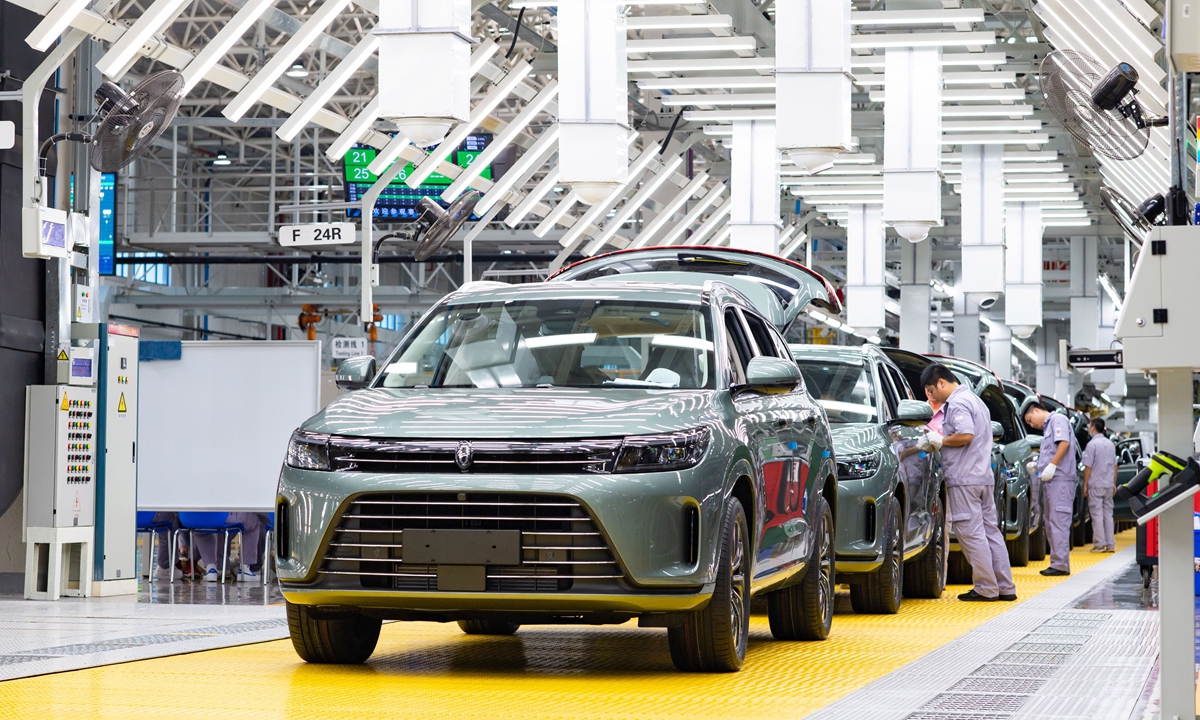
China NEV wholesale set to grow 13% to 173 million units by 2026
China's wholesale sales of new-energy vehicles expected to grow 13% this year, driven by advances in self-driving tech and global expansion.

Fitch Warns Saudi Banks May Stop Growth Amid Iran Conflict
Fitch warns that ongoing Iran-Saudi conflict could stall Saudi banking growth and dividends, raising concerns for regional stability.