

Baicheng's Green Hydrogen Boosts China's Supply Chain Potential
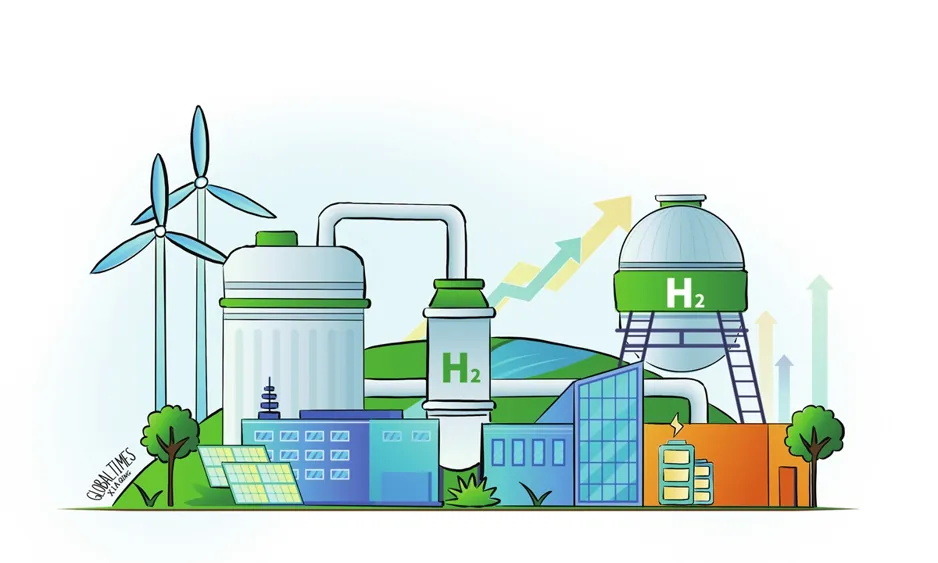
Baicheng is making significant strides in integrating green hydrogen into its industrial practices, aiming to convert renewable energy into exportable chemicals that can cater to global markets. This innovative approach not only enhances Baicheng’s economic prospects but also reinforces China's commitment to sustainability and high-quality development.
Historically, regions abundant in resources have faced a common dilemma: while generating power is relatively straightforward, translating that energy into substantial economic benefits remains challenging. Baicheng is tackling this issue by moving beyond mere electricity generation; it is focusing on transforming power into hydrogen, and subsequently into chemical products, thus extending the industrial chain and amplifying economic growth.
The crux of the transformation in Baicheng is evident. The transition towards cost-competitive green electricity raises critical questions, not just about grid connectivity but more importantly about effective conversion processes. This evolution is pivotal in determining whether economies progress from basic resource providers to sophisticated product manufacturers. By marrying clean energy with advanced chemical production, Baicheng is enhancing the value attached to each unit of electricity through an integrated 'power-hydrogen-product' model.
Essentially, this model signifies a three-stage upgrade of the original resource. The mere act of selling electricity pales in comparison to the value derived from converting green power into hydrogen, ammonia, or methanol. These secondary products are not only more valuable but also advantageous in terms of storage and transportation. Green ammonia and methanol, as fuels for international shipping, can be seamlessly introduced into global trade networks.
The operational framework is vital, requiring not just connections but an operational synergy among these components. With an upstream capacity of 19.1 gigawatts generating low-cost power, the midstream integrates hydrogen production with ammonia and methanol synthesis, while downstream sectors, including shipping and fine chemicals, utilize the final output. This complex structure empowers resource-rich regions to shift from mere raw material suppliers to producers of valuable green products.
Baicheng's model is progressing exceptionally well. By 2025, two major projects were inaugurated: a wind-powered green methanol initiative and an integrated hydrogen-ammonia project. These undertakings are part of China's pioneering series of pilot programs aimed at developing green liquid fuels.
The Da'an Wind-Solar-Powered Green Hydrogen to Ammonia Integration Demonstration Project has established a full cycle of 'green power-hydrogen-ammonia.' It operates purely on renewable energy sources, producing an impressive 32,000 tons of green hydrogen and 180,000 tons of green ammonia every year. This ambitious initiative mitigates carbon emissions by roughly 650,000 tons annually while contributing to stable employment opportunities and bolstering the local economy.
Additionally, products from the Taonan green hydrogen-to-methanol plant in Baicheng have been utilized to refuel a methanol dual-fuel container ship owned by the French shipping giant CMA CGM at Yangshan Port in Shanghai. This milestone signifies the large-scale integration of local resources into international shipping, showcasing the potential for transforming regional outputs into globally traded commodities.
CMA CGM's decision is strategically timed, as the International Maritime Organization pursues net-zero emissions by 2050, leading to a rapid increase in demand for green fuels. By adhering to international sustainability standards and embedding these new-energy solutions into global supply chains, Baicheng's products are poised to gain international traction and yield substantial economic returns.
Baicheng has earmarked an estimated capacity of 50 gigawatts for clean energy development. Local ambitions project the annual production of approximately 300,000 to 400,000 tons of green hydrogen by 2030, along with 2 million tons of green ammonia, methanol, and related derivatives. Such targets mark a crucial shift from pilot projects to large-scale implementation, highlighting the burgeoning growth potential within the sector.
This scenario reflects a wider transformation within China's new energy landscape, where the focus is shifting from merely expanding energy capacity to actively creating value. Baicheng serves as a model illustrating that competitive advantage no longer lies solely in resource quantity but rather in the efficiency of resource transformation into high-value products. This paradigm will define the upcoming phase of green economic growth.
On a macro level, Baicheng's innovations are influencing national trends in new energy development and utilization. Rather than solely expanding grid systems to absorb energy, regions are increasingly exploring local conversion strategies. By entwining renewable energy with hydrogen, chemical production, and advanced manufacturing, electricity is being redefined—not just as a terminal product but as a launching pad for higher-value industrial endeavors.
Read These Next
Jiangsu Lianrui's Strategy to Hedge Currency Risks
This commentary analyzes Jiangsu Lianrui New Materials Co., Ltd.'s annual report, focusing on its expansion of overseas operations and proactive hedging strategies, while examining the inherent risks and broader economic trends.
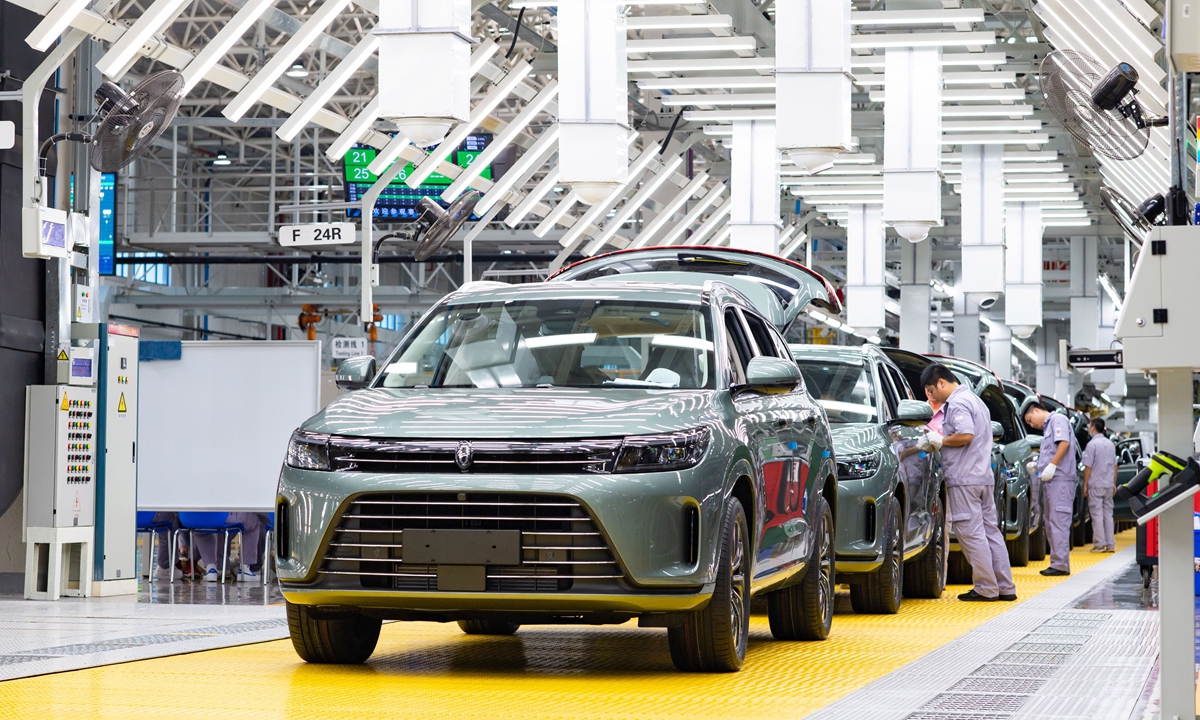
China NEV wholesale set to grow 13% to 173 million units by 2026
China's wholesale sales of new-energy vehicles expected to grow 13% this year, driven by advances in self-driving tech and global expansion.

Fitch Warns Saudi Banks May Stop Growth Amid Iran Conflict
Fitch warns that ongoing Iran-Saudi conflict could stall Saudi banking growth and dividends, raising concerns for regional stability.