

Trump Threatens 50% Tariffs on Countries Aiding Iran Arms Supply
In a significant escalation in international trade and political tensions, U.S. President Donald Trump has announced that any country providing military weapons to Iran will face immediate tariffs of 50% on all goods exported to the United States. This bold statement, made on his Truth Social platform, underscores the administration's aggressive stance on nations it perceives as threats to its national security interests.
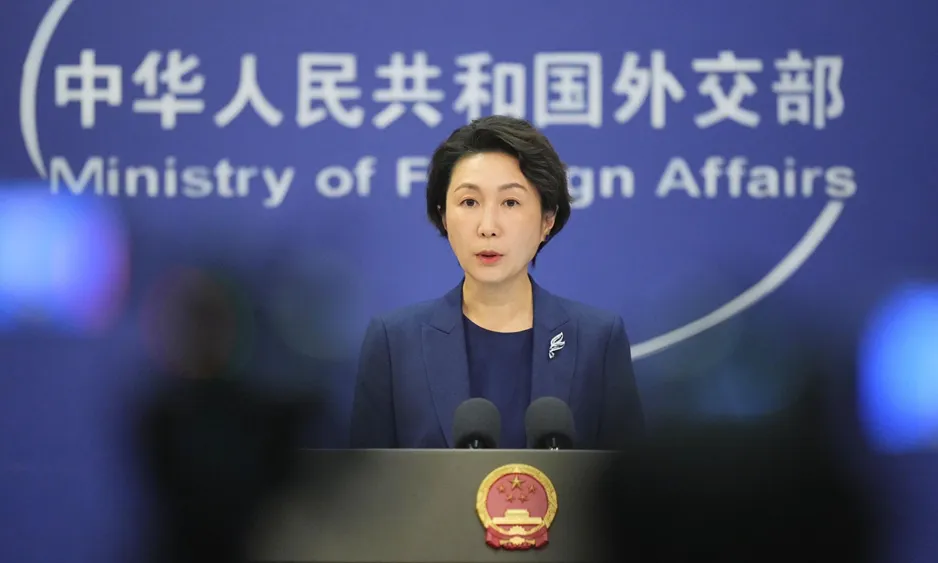
In response to Trump's remarks, China's Foreign Ministry has reiterated its position, highlighting the futility of tariff wars. Foreign Ministry spokesperson Mao Ning stated on Thursday that such economic measures yield no true winners, emphasizing the potential for broader economic fallout as nations engage in tit-for-tat retaliations.
The potential implications of these tariffs extend beyond just U.S.-Iran relations. Countries that assist Iran in its arms supply chain may now find themselves in a precarious position, facing significant economic repercussions if they continue their support. This could deter some nations from pursuing their military alliances, reshaping international dynamics.
China, a key player in global arms trade and a notable ally of Iran, is particularly vocal about the negative consequences of escalated trade wars. The Chinese government argues that cooperation and dialogue, rather than punitive tariffs, are essential for resolving conflicts and promoting stability in international relations.
Trump's threat to impose hefty tariffs aligns with his broader approach to foreign policy, where he seeks to leverage economic pressure as a tool to achieve political objectives. This methodology, however, raises questions about the sustainability of such strategies in the long term as it may provoke retaliatory measures from affected nations.
Experts in international trade caution that the implications of these tariffs may lead to increased tensions not just between the U.S. and its adversaries but also among allies. The risk of a cascading effect where countries take sides could deepen divides in geopolitical relationships and impact global trade flows.
The situation remains fluid, with many analysts closely monitoring the evolving political landscape. As nations weigh their options in response to Trump's declared tariff policy, the outcome is uncertain, and further developments are expected in the coming weeks that may reshape international trade agreements.
Ultimately, it is clear that the conversation surrounding tariffs and military supplies to Iran represents a larger struggle for power and influence on the world stage. Economies around the globe must contend with the ramifications of political decisions that could alter trade networks and alliances for the foreseeable future.
Read These Next

Jiangsu Lianrui's Strategy to Hedge Currency Risks
This commentary analyzes Jiangsu Lianrui New Materials Co., Ltd.'s annual report, focusing on its expansion of overseas operations and proactive hedging strategies, while examining the inherent risks and broader economic trends.
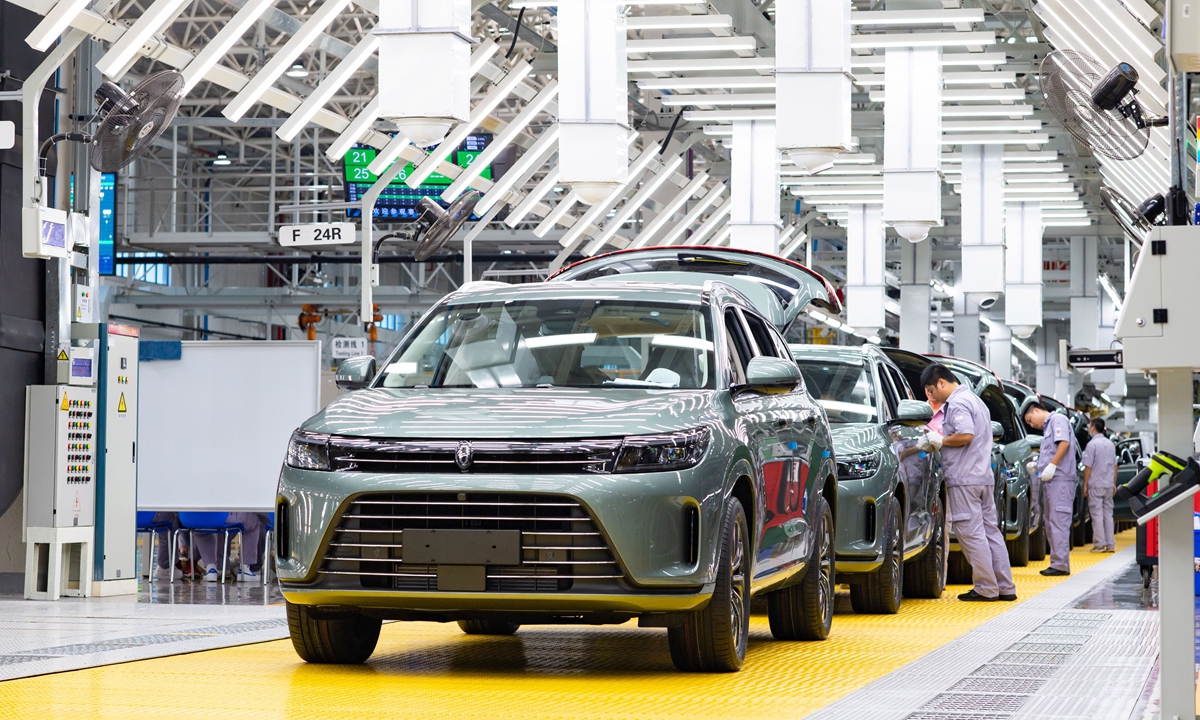
China NEV wholesale set to grow 13% to 173 million units by 2026
China's wholesale sales of new-energy vehicles expected to grow 13% this year, driven by advances in self-driving tech and global expansion.

Fitch Warns Saudi Banks May Stop Growth Amid Iran Conflict
Fitch warns that ongoing Iran-Saudi conflict could stall Saudi banking growth and dividends, raising concerns for regional stability.