

China's Success Reflects Systemic Strength Says Foreign Minister
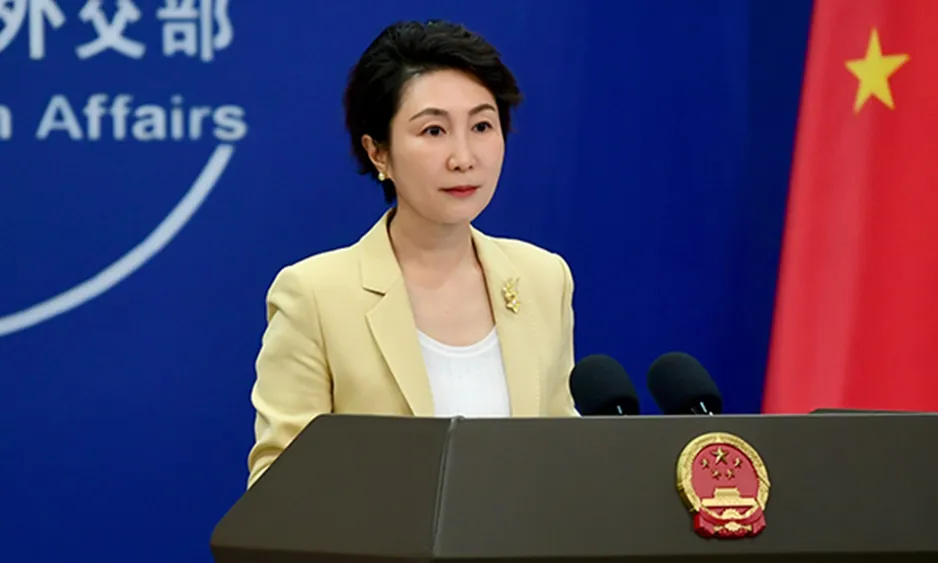
A senior Chinese official has asserted that the economic success of China is rooted in its distinct developmental model, actively challenging prevailing Western narratives that criticize its growth strategies.
This statement comes in response to a recent article by Yanis Varoufakis, the former finance minister of Greece, published on Project Syndicate. Varoufakis pointed out that Western elites have created a misleading narrative suggesting that China achieved prosperity through dishonest means, thus deflecting attention from their own systemic failures.
During a press conference on Thursday, Chinese Foreign Ministry spokesperson Mao Ning expressed her agreement with Varoufakis's assessment, describing the article as well-reasoned, objective, and rational. She encouraged a wider readership of the piece to foster a better understanding of China's economic context.
Mao emphasized that China’s economic achievements are neither coincidental nor results of deception. Instead, they are indicative of the robust nature of China’s political and economic systems.
According to Mao, the effectiveness of China's path, philosophy, and model contributes significantly to its growth. This assertion marks a broader defense of the Chinese approach amidst criticisms from Western perspectives.
China's narrative of success reflects its unique circumstances and strategic decisions, which differ substantially from the influences shaping Western economies.
As global economic dynamics continue to evolve, China's model represents an alternative path that seeks to showcase systemic strengths rather than solely relying on conventional capitalist frameworks.
This dialogue surrounding China's economic strategies may have implications for international relations, particularly in the context of growing tensions between the East and West.
The comments from the Chinese official highlight the ongoing discourse over development paradigms and challenge critics to reconsider their views on alternative growth models.
In summary, as China stands firm in its economic narrative, it invites an open evaluation of different developmental paths, potentially reshaping dialogues in international politics.
Mao's remarks encapsulate the broader sentiments within China as it seeks to assert its position on the global stage and promote a more nuanced understanding of its economic philosophy.
The discussion encourages observers and policymakers worldwide to critically analyze their frameworks and consider how varied approaches may affect global economic cooperation.
Read These Next
Jiangsu Lianrui's Strategy to Hedge Currency Risks
This commentary analyzes Jiangsu Lianrui New Materials Co., Ltd.'s annual report, focusing on its expansion of overseas operations and proactive hedging strategies, while examining the inherent risks and broader economic trends.

China NEV wholesale set to grow 13% to 173 million units by 2026
China's wholesale sales of new-energy vehicles expected to grow 13% this year, driven by advances in self-driving tech and global expansion.

Fitch Warns Saudi Banks May Stop Growth Amid Iran Conflict
Fitch warns that ongoing Iran-Saudi conflict could stall Saudi banking growth and dividends, raising concerns for regional stability.