

China's Strong Economic Growth Driven by Key Factors in Q1
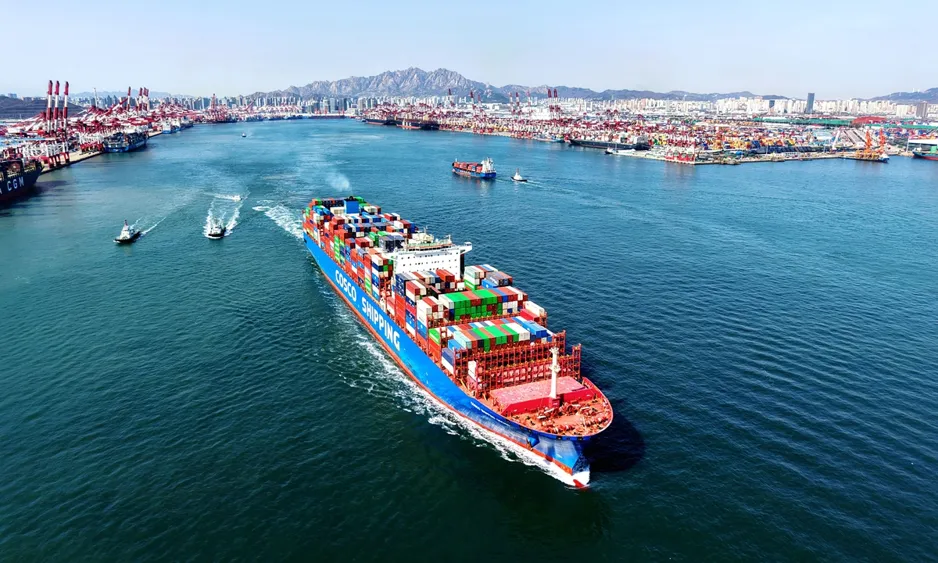
China's economy is showcasing remarkable growth in the first quarter of 2026, driven by robust exports, substantial investments, and advancements in technology, all unfolding against a backdrop of global uncertainties.
While March data is still being finalized, preliminary figures from January and February indicate a solid start to the year, with the economy demonstrating steady performance bolstered by various factors, including exports, investment, and a rebound in consumption.
Policy measures implemented by the government are beginning to show their effects, with overall trends pointing towards stable and improving growth for the year. Despite facing external challenges, including economic shocks, China's economy is expected to maintain its positive trajectory, fueled by emerging drivers such as high-tech manufacturing and modern service sectors.
Exports have played a crucial role in driving this growth, with January and February witnessing a remarkable 19.2 percent year-on-year increase in yuan-denominated exports. Notably, demand from emerging markets like Africa and Latin America has become more pronounced, and trade with Belt and Road Initiative participants surged by 20 percent.
Furthermore, private enterprises reported impressive performance, achieving trade growth exceeding 20 percent year-on-year. The rise of cross-border e-commerce and strong supply chain systems has significantly benefited exporters, further stimulating overall economic activity.
Investment trends are also painting a positive picture. In the first two months, infrastructure investment increased by 11.4 percent compared to the previous year, largely driven by expedited major projects from the 15th Five-Year Plan, thereby bolstering investor confidence and mitigating some external economic pressures.
Consumer spending is on a steady recovery path, characterized by three significant trends: an expansion of consumption in lower-tier markets, a broad recovery in services consumption, and positive impacts from trade-in programs encouraging the purchase of new items.
Retail sales witnessed a growth of 2.8 percent in January and February, marking an increase over December figures. Notably, retail activities in rural areas showcased a 3.2 percent rise, highlighting the emergence of rural markets as vital consumption drivers, alongside an impressive 5.6 percent expansion in the services sector during the same period.
Moreover, trade-in initiatives have fostered a notable increase in home appliance sales, with energy-efficient appliances continuing their rapid growth from 2025, surpassing double-digit year-on-year increases.
Industrial production has also seen an upturn, particularly in high-tech sectors and high-end services, with high-tech manufacturing enterprises reporting a 13.1 percent year-on-year increase in value-added output. This sector’s growth is further supported by the ongoing digital and intelligent transformation across industries.
However, the prevailing question remains: will this growth momentum sustain in the coming quarters? On one hand, the fundamentals of China's economic operations appear resilient, with infrastructure investments expected to uphold a stable growth trend throughout 2026.
Conversely, market anxieties concerning global oil price volatility loom, posing potential disruptions to supply and shipping chains. Such fluctuations could exert input cost pressures on mid- and downstream companies, yet analysts believe these will not significantly alter the fundamental dynamics of China's economy.
Read These Next

Jiangsu Lianrui's Strategy to Hedge Currency Risks
This commentary analyzes Jiangsu Lianrui New Materials Co., Ltd.'s annual report, focusing on its expansion of overseas operations and proactive hedging strategies, while examining the inherent risks and broader economic trends.

China NEV wholesale set to grow 13% to 173 million units by 2026
China's wholesale sales of new-energy vehicles expected to grow 13% this year, driven by advances in self-driving tech and global expansion.

Fitch Warns Saudi Banks May Stop Growth Amid Iran Conflict
Fitch warns that ongoing Iran-Saudi conflict could stall Saudi banking growth and dividends, raising concerns for regional stability.