

Ireland's Fuel Protests Amid Rising Energy Costs

The ongoing protests in Ireland against soaring fuel prices have entered their fourth consecutive day, highlighting deep-seated frustrations among transport operators, farmers, and agricultural contractors. With major oil refineries and terminals blocked and gridlock paralyzing Dublin, the situation has escalated into a significant national issue. This protest, devoid of participation from prominent agricultural organizations such as the Irish Farmers' Association, suggests a grassroots level of discontent that could have far-reaching implications for both the government and the broader economy.
At the heart of this unrest is the rising cost of fuel, a consequence of geopolitical conflicts, most notably the war in Iran, which has created a ripple effect across global energy markets. Oil prices, despite some moderation from their peak, still remain volatile, influenced by constrained maritime traffic through critical shipping lanes like the Strait of Hormuz. Such fluctuations pose substantial risks to economic stability in Ireland, which is heavily reliant on fuel for the transportation of goods and services.
Government measures to combat these rising fuel costs, characterized by a €250 million support package aimed at households and businesses, may not sufficiently address the immediate grievances of protesters. Prime Minister Micheál Martin’s labeling of the protests as an "act of national sabotage" signals a desire for quick resolution but fails to engage with the root cause of dissatisfaction: a perceived lack of responsiveness from authorities. This misalignment could create a precarious scenario where escalating tensions are met with force rather than dialogue, raising a pertinent question: how long can the government afford to ignore such widespread dissent without risking further instability?
The phenomenon of rising fuel prices is not isolated to Ireland. In the UK, Prime Minister Keir Starmer's frustration echoes sentiments shared across Europe, as nations grapple with the broader implications of energy price fluctuations driven by U.S and Russian geopolitical maneuvers. Yet, policymakers must tread cautiously; knee-jerk regulatory responses, like the UK’s requirement for heat pumps in new homes or Greece's temporary profit caps on essential products, might resolve immediate pain points but could lead to unintended market distortions. Historical precedents, such as the 2008 financial crisis or the dot-com bubble, remind us that poorly calibrated interventions can exacerbate rather than alleviate systemic issues.
Moving forward, the Irish government faces the dual challenge of responding to public dissent while ensuring the economy does not suffer disproportionately. Investors ought to remain vigilant, as volatility in energy prices can significantly impact corporate earnings, especially among firms with sensitive EBITDA margins and operational dependencies on transport logistics. Sustainable investment opportunities might emerge from this crisis, particularly in the realm of alternative energy solutions and efficiency improvements, as the world increasingly seeks to mitigate reliance on fossil fuels.
In conclusion, the unfolding events in Ireland serve as a microcosm of broader global energy challenges, where social unrest is intricately linked to macroeconomic dynamics. Policymakers would be wise to prioritize engagement with grassroots movements to foster stability while also addressing the complex interplay of geopolitical factors influencing fuels prices. Balancing immediate economic relief with long-term sustainability will be critical to navigating this turbulent landscape.
Read These Next

Trump to Attend Meeting at Virginia National Golf Club
President Trump will attend a key meeting at Trump National Golf Club in Virginia, engaging with supporters and discussing policies.
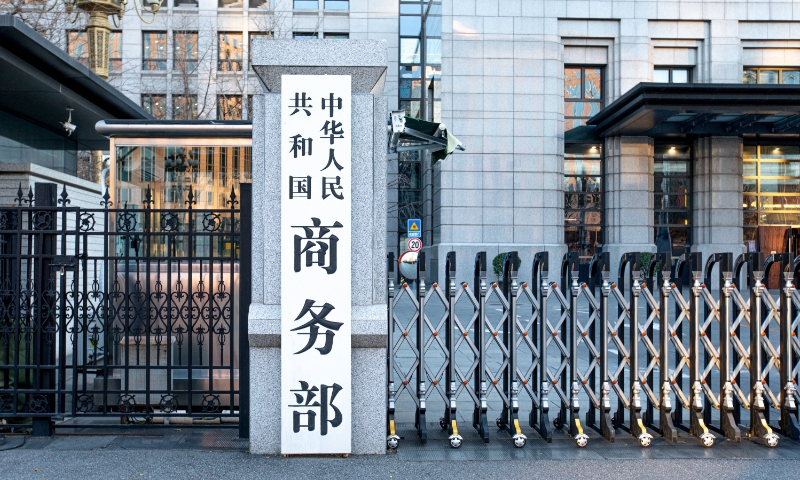
China Actively Promotes Compliant Rare Earth Trade Globally
China emphasizes global supply chain stability in rare earth trade, assuring cooperation and regulatory compliance amid US dialogue.

Shenzhen Railway Launches New Schedule to Boost Bay Area Integration
Shenzhen railway will implement a new train schedule on April 15, enhancing connectivity and travel for the Greater Bay Area.