

Ireland Protests Fuel Prices Amid Iran War

The unfolding protests in Ireland over soaring fuel prices represent a notable escalation of tension between citizens and the government in response to global events, specifically the conflict surrounding Iran. With the protests entering their fourth day, the blockades at oil refineries and terminals have effectively brought key segments of the economy to a standstill. This unrest not only underscores the immediate consequences of rising energy prices but also signals a deeper malaise regarding governmental responsiveness to crises that affect the daily lives of citizens.
The backdrop of these protests highlights a complex interplay of global and domestic economic forces. In recent months, the geopolitical landscape has been marked by escalating tensions in the Middle East, which have constrained oil exports and driven up global fuel prices. Despite the Irish government announcing a significant €250 million support package aimed at mitigating the effects of rising costs on households and businesses, dissent persists among protestors who perceive these measures as inadequate. The absence of recognized industry associations, such as the Irish Farmers' Association, participating in the demonstrations suggests a disconnect between the government and key stakeholders in the economy, raising questions about the efficacy of current strategies.
Indeed, one must ask: are policymakers overlooking the potential long-term implications of their actions? While immediate interventions such as tax reductions on fuel are commendable, they may not address the underlying supply chain vulnerabilities exacerbated by geopolitical tensions. The historical precedent of the 2008 financial crisis provides a cautionary tale of how government responses can sometimes inadvertently fuel further discontent. As the Irish government prepares military assistance to clear blockades, the risk of inflaming public sentiment grows, potentially leading to a vicious cycle of unrest. Furthermore, for investors and institutional stakeholders, the unpredictability of fuel accessibility may threaten operational continuity, particularly in sectors reliant on transport and logistics.
As we look to the future, the Irish government faces a critical juncture. The current situation demands that they not only communicate with citizens but also align their economic policies with the realities of evolving global markets. This involves not only short-term fiscal responses but also long-term strategies focused on energy independence and transitioning towards sustainable sources. Stakeholders must acknowledge that the international oil market's volatility and its repercussions could persist, necessitating flexibility in domestic policy responses. If Ireland is to prevent further disruptions, it may require more than legislative action—it will need a concerted and unified response that resonates with all sectors of its economy.
Read These Next

Jiangsu Lianrui's Strategy to Hedge Currency Risks
This commentary analyzes Jiangsu Lianrui New Materials Co., Ltd.'s annual report, focusing on its expansion of overseas operations and proactive hedging strategies, while examining the inherent risks and broader economic trends.
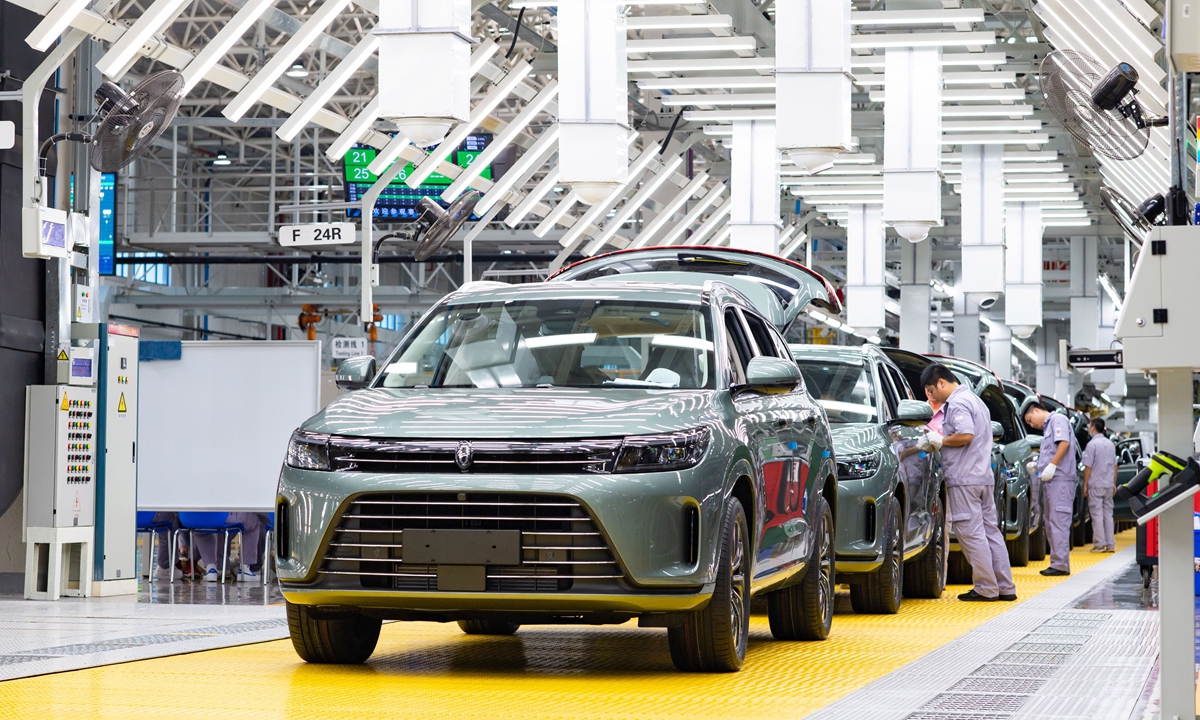
China NEV wholesale set to grow 13% to 173 million units by 2026
China's wholesale sales of new-energy vehicles expected to grow 13% this year, driven by advances in self-driving tech and global expansion.

Fitch Warns Saudi Banks May Stop Growth Amid Iran Conflict
Fitch warns that ongoing Iran-Saudi conflict could stall Saudi banking growth and dividends, raising concerns for regional stability.