

Starmer: "I despair" over Trump and Putin's impact on UK energy
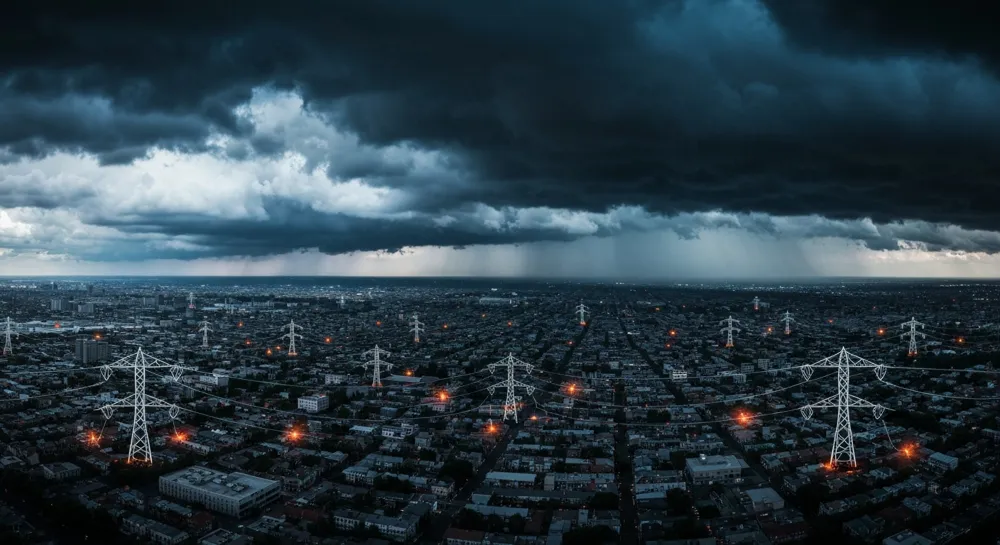
In a recent interview, British Prime Minister Keir Starmer expressed profound frustration regarding the volatile energy costs impacting families and businesses in the UK, attributing this turbulence to the geopolitical machinations of U.S. President Donald Trump and Russian President Vladimir Putin. This commentary comes at a time when oil prices are experiencing considerable fluctuations against the backdrop of increasing military tensions in the Middle East, particularly with the ongoing U.S.-Israeli conflict with Iran. Starmer's remarks highlight not only the direct influence of global conflicts on domestic economies but also serve as a critical reflection on the inadequacies in governmental approaches to energy security.
The situation surrounding the Strait of Hormuz serves as a case study for understanding the nexus of geopolitics and energy prices. Historically, this vital maritime route has ensured the free flow of oil, a principle now threatened by Iran's recent provocative policy proposals, which include imposing a toll on oil shipments. If enacted, these tolls could significantly escalate oil prices globally, exacerbating inflationary pressures in economies already struggling with elevated energy costs. As energy costs are inextricably linked to Consumer Price Index (CPI) values, a rise in oil prices could push the UK economy further into stagflation territory, paralleling conditions seen during the 1970s energy crisis. Such an outcome raises fundamental questions about whether policymakers are fully aware of the potential long-term ramifications of their diplomatic positions.
Starmer’s comments underscore a broader disconnect between political strategy and ground realities. While he has voiced concerns about Trump's and Putin's influence, one has to question whether merely attributing blame to foreign leaders is a sufficient strategy for addressing domestic economic vulnerabilities. The call for de-escalation amid military conflicts, although noble, may not provide the immediate economic stabilization necessary for UK households. There is a notable opportunity here for the UK to increase investments in renewable energy and energy independence, thereby mitigating risks posed by international markets. However, this would require a decisive shift in policy and a willingness to embrace a more resilient energy framework that acknowledges the intersecting challenges of climate change and geopolitical instability.
Read These Next

Jiangsu Lianrui's Strategy to Hedge Currency Risks
This commentary analyzes Jiangsu Lianrui New Materials Co., Ltd.'s annual report, focusing on its expansion of overseas operations and proactive hedging strategies, while examining the inherent risks and broader economic trends.
China NEV wholesale set to grow 13% to 173 million units by 2026
China's wholesale sales of new-energy vehicles expected to grow 13% this year, driven by advances in self-driving tech and global expansion.

Fitch Warns Saudi Banks May Stop Growth Amid Iran Conflict
Fitch warns that ongoing Iran-Saudi conflict could stall Saudi banking growth and dividends, raising concerns for regional stability.