

China Strengthens Legal Actions Against Air Rage Incidents
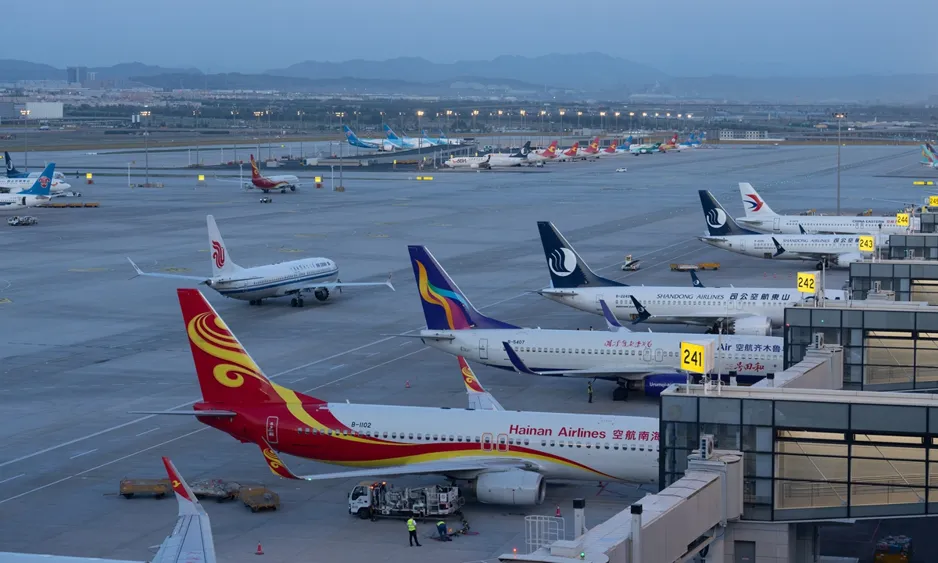
China's judicial system has taken significant steps to enhance flight safety and bolster passenger security through the introduction of strict measures against disruptive behaviors such as 'air rage.' The Supreme People's Court and the Supreme People's Procuratorate have issued a judicial interpretation aimed at addressing civil aviation safety, which is set to take effect on Thursday.
This interpretation comprises seven articles that reflect the evolving conditions and major concerns regarding the punishment of criminal offenses that endanger civil aviation. It specifies how the Criminal Law will be applied in these contexts, creating a robust framework to tackle air rage and related offenses.
Notably, the interpretation delineates specific penalties for disruptive 'air rage' behaviors, including unauthorized opening of aircraft cabin doors and engaging in fights or brawls within the cabin. However, it clarifies that not every instance of unauthorized door openings constitutes a criminal offense, emphasizing that such actions must pose a risk to public safety when the aircraft is in motion or flight.
The judicial interpretation utilizes a list-based format to establish the criteria for convictions and sentencing regarding violent crimes that threaten flight safety. It clearly states that acts of violence directed at crew members on a civil aircraft may be classified as crimes of violence endangering flight safety.
In addition, the interpretation calls for stringent punishment for individuals who fabricate and disseminate false information regarding terrorism threats related to civil aviation. Actions disrupting the normal operations of flights or airports, which require a response from security or emergency services, are also classified as criminal offenses.
If such disruptive actions result in serious social repercussions or significant economic losses, they may incur severe penalties, including prison sentences of over five years. This is aimed at deterring activities that substantially compromise the safety and efficiency of civil aviation.
Furthermore, the interpretation clarifies the principles regarding territorial jurisdiction for criminal cases that involve threats to civil aviation safety, ensuring clarity in legal proceedings. If a suspect is detained during a flight, the case will fall under the jurisdiction of the people’s court where the aircraft lands after the incident.
Wang Yanan, editor-in-chief of Aerospace Knowledge magazine, highlighted the importance of this judicial interpretation, noting its role in addressing previous ambiguities in penalties for violations like air rage. By bringing acts that threaten aviation safety into the realm of criminal regulation, it responds to societal demands for both safety and judicial fairness.
In 2025, China's civil aviation industry recorded 770 million passenger trips, representing a 5.5 percent increase from the previous year, underscoring the growing need for enhanced safety measures as the sector continues to expand.
Read These Next
China Creates Bureau to Manage Overseas State-Owned Assets
China sets up a new bureau to oversee and optimize overseas state-owned assets amid rising international investment complexities.

Shanghai Gold Drops While Silver Gains and Crude Oil Falls
Shanghai gold at 1045 yuan/g (-0.24%), silver up 1.45% at 18414 yuan/kg, crude oil down 4.41% to 635 yuan/barrel.
SMIC's Strategic Semiconductor Innovation: Opportunities & Risks
SMIC’s recent acquisition of several patents highlights its commitment to innovation in the semiconductor sector, reflecting investments in R&D and significant advancements, while also navigating risks from competition and regulatory landscapes.