

China Creates Bureau to Manage Overseas State-Owned Assets
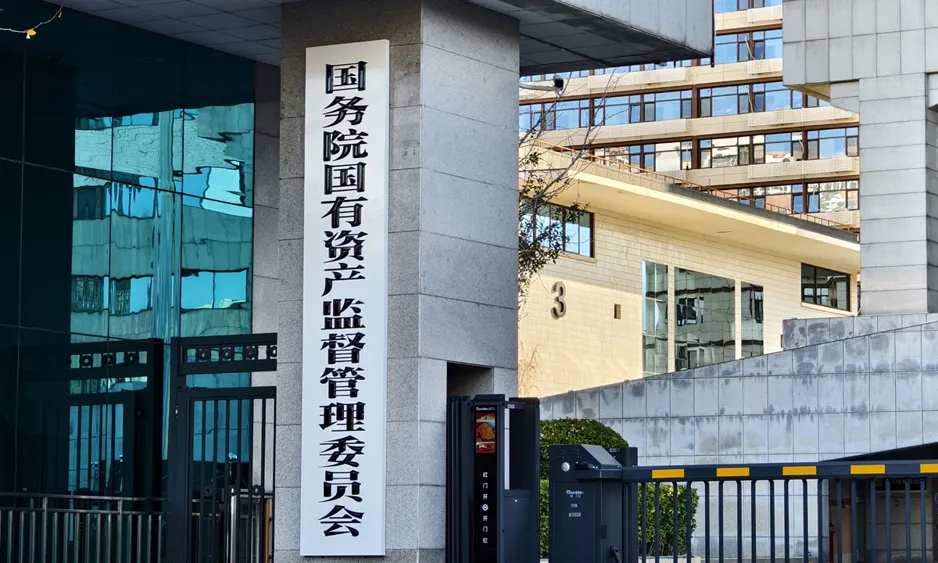
China has established a new bureau under the State-owned Assets Supervision and Administration Commission (SASAC) to manage overseas state-owned assets, as reported by Xinhua News Agency. This initiative comes in response to the increasing complexities of international investments.
The primary responsibilities of the newly formed bureau include guiding state enterprises in their international operations, optimizing the structure and allocation of overseas assets, and enhancing risk prevention strategies related to foreign investments. Additionally, it will oversee the management of these assets and handle crisis situations abroad.
The bureau is organized into several internal divisions, such as the international operations division, risk prevention and mitigation division, supervision and governance division, and emergency management division. This structure is designed to ensure effective oversight and responsive action in overseas ventures.
A critical function of the bureau is its ability to promptly respond to recent global geopolitical tensions, particularly in the Middle East. By creating this bureau, China aims to bolster risk management strategies and safeguard its overseas investments.
Yang Delong, chief economist at First Seafront Fund, emphasized that the bureau's establishment will enable a swift response to sudden international incidents, thereby minimizing potential losses in state-owned asset investments.
China's central state-owned enterprises manage over 8,000 projects in more than 180 countries, with overseas assets amounting to over 9 trillion yuan, approximately 1.31 trillion dollars, as indicated by Li Zhen, deputy head of SASAC.
As international collaboration initiatives like the Belt and Road Initiative evolve, central state-owned enterprises have gathered significant overseas assets. However, Li Jin from the China Enterprise Research Institute cautioned that the previous decentralized management approach is inadequate for the current global complexities.
Li Jin further noted that the shifting geopolitical landscape has exerted undue pressure on the overseas projects of central state-owned enterprises, thus necessitating a specialized institution for effective coordination and management.
Yang highlighted that the bureau will refine the operational strategies of overseas investments for state enterprises, ensuring that investment approaches are more rational and scientifically based to mitigate risks and secure assets.
This new bureau is aligned with the broader opening-up strategy of China and addresses the essential needs arising from the internationalization of state-owned enterprises.
The 15th Five-Year Plan outlines the necessity for enhancing the supervision of state-owned assets and encourages efficient use of state capital. It calls for improved management of outbound investments, comprehensive service systems for overseas operations, and reinforced risk prevention frameworks.
Read These Next

Shanghai Gold Drops While Silver Gains and Crude Oil Falls
Shanghai gold at 1045 yuan/g (-0.24%), silver up 1.45% at 18414 yuan/kg, crude oil down 4.41% to 635 yuan/barrel.

SMIC's Acquisition: Balancing Growth and Risk
SMIC's acquisition of 中芯北方 marks a significant strategic maneuver in the semiconductor sector, reflecting asset growth and increased gross margins. While offering operational advantages, the move carries risks associated with regulatory approvals and market volatility, requiring careful navigation to ensure shareholder and consumer interests are balanced.

Meta's Muse Spark: Strategic AI Initiative
Meta has launched its AI model Muse Spark, aiming to compete with firms like Google and OpenAI amid significant strategic shifts following previous setbacks in its AI development.