

Retail Sales and Inflation in the New Economic Landscape

The latest economic reports indicate a significant pivot in consumer sentiment, underscored by declining retail sales and a subtle rise in inflation expectations. This shift is not merely a momentary blip; it signals deeper undercurrents in the broader economic landscape that investors and policymakers must heed. The implications of this trend are profound as they touch upon the very fabric of recovery strategies post-pandemic and reverberate through markets globally.
Recent data suggests that U.S. retail sales fell 1.1% last month, negating previous gains. This decline, coupled with a rising consumer price index (CPI), resonates with longstanding fears surrounding inflation eroding purchasing power. As central banks traverse the path of quantitative tightening, the tightening of monetary policy could exacerbate these pressures on consumer spending. Investors should investigate how this dynamic may shape corporate earnings in upcoming earnings reports. Notably, central banks, particularly the Federal Reserve, may find themselves at a crossroads where aggressive interest rate hikes must be balanced with the urgent need to stimulate economic growth.
Historical context provides a sobering reminder of the potential ramifications of such trends. For instance, the aftermath of the 2008 financial crisis offered a masterclass in how rapid policy shifts can magnify risks when growth falters. Back then, sectors such as housing were only the tip of the iceberg; similar trends could emerge across retail and consumer discretionary segments now if current sentiment does not recover. Moreover, the question remains: will policymakers overlook the unintended consequences of continued tightening, pushing consumers toward deeper financial strain?
In conclusion, as eyes turn toward potential fiscal measures aiming to stimulate consumer activity, the balancing act remains delicate. Investors must position themselves to navigate this uncertainty, while consumers may begin to feel the pinch of heightened costs against stagnant wage growth. A nuanced understanding of these economic indicators will be crucial: as retail adjusts to this new reality, how corporations maneuver its complexities will define their resilience. Moving forward, will we witness a paradigm shift in consumer expenditure, or will markets rebound, invigorated by optimistic policy responses?
Read These Next

Financial Transparency Amidst Accounting Corrections
Commentary on a company's accounting corrections and the implications for financial transparency and investor confidence.
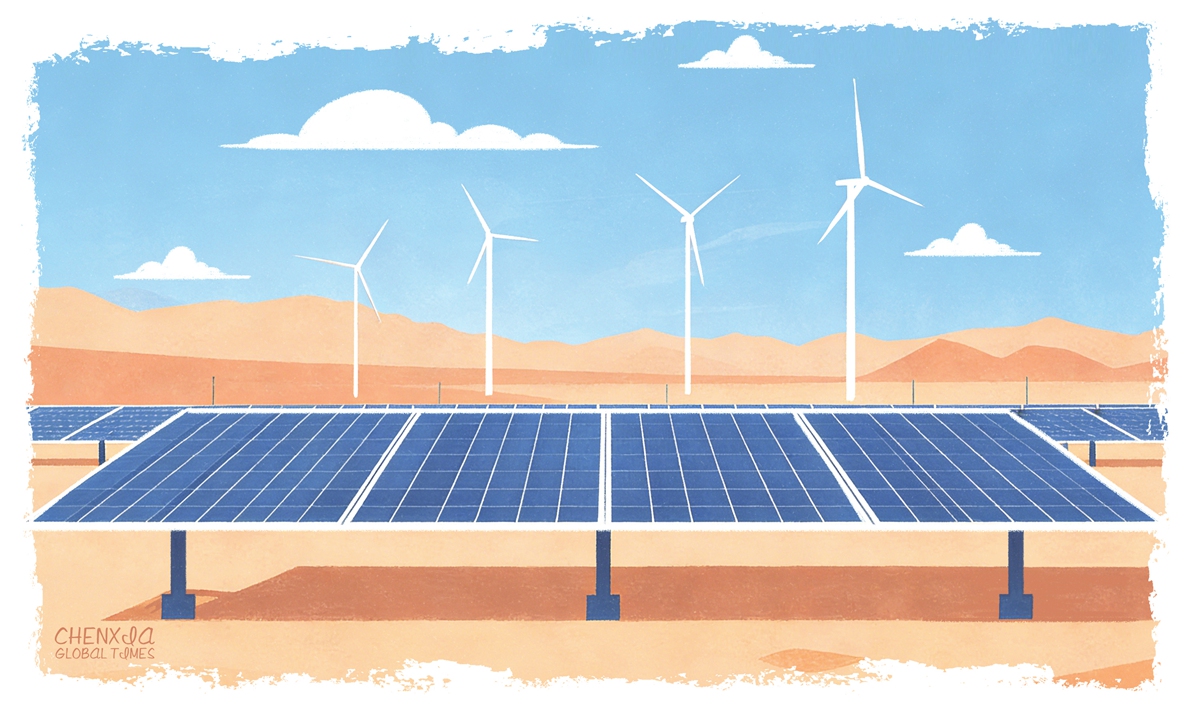
Xinjiang Harnesses Renewable Energy for Economic Growth
Xinjiang leads China's renewable energy efforts, using wind and solar to boost local demand, job growth, and sustainable practices.

Security Council Fails to Adopt Resolution on Strait of Hormuz
On April 7, a UN Security Council resolution on the Strait of Hormuz failed due to member state disagreements, impacting regional stability.