

Middle East Conflicts Disrupt Global Supply Chains
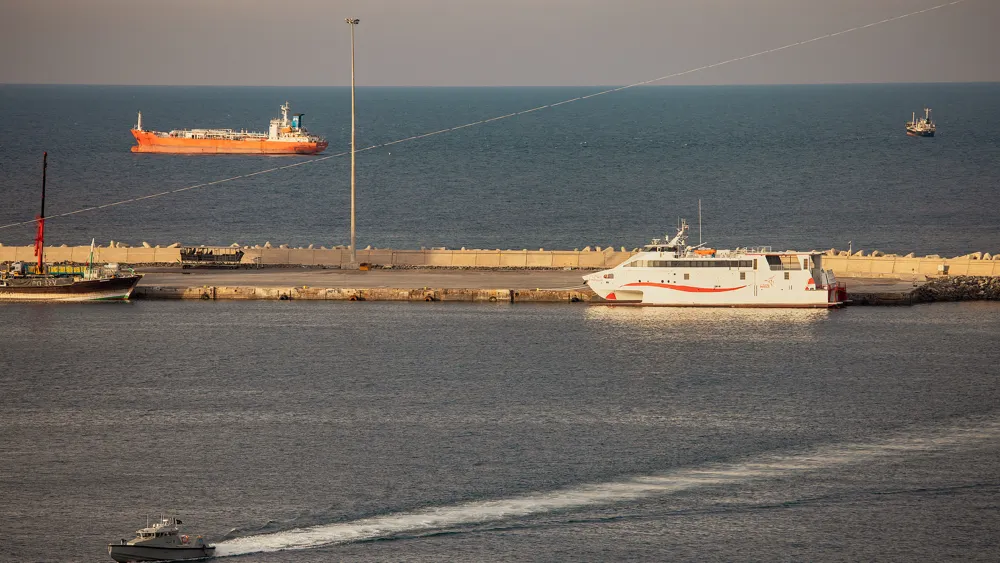
Geopolitical tensions in the Middle East are significantly disrupting global shipping routes, leading to increased costs and wider implications for international supply chains, especially affecting China. The recent conflict between the US and Iran has escalated tensions, particularly around the strategic Strait of Hormuz, generating profound systemic shocks in trade dynamics that were already strained.
The Strait of Hormuz, a crucial passage for global maritime crude oil and LNG trade, experienced a staggering decline in shipping traffic, decreasing by over 90%. This drastic reduction has had immediate and cascading effects not only on the energy market but has also shifted the global economic landscape from simple price shocks to more severe disruptions in growth.
The multifaceted impact of this conflict has broken through sector-specific risks, creating a chain reaction throughout the entire supply chain. The energy sector felt the initial sting, with significant drops in crude oil exports from the Middle East, halts in core LNG facilities in Qatar, and soaring Brent crude prices that jumped from $60 per barrel to over $100, occasionally reaching towards $120. Concurrently, Asia has seen LNG prices ascend by a staggering 143%.
As rising energy prices—the lifeblood of industrial production—translate into inflated production costs across various sectors, industries like chemicals, automobiles, and electronics manufacturing are grappling with soaring raw material and transportation expenses. Crippling sanctions and capacity shutdowns in Iran have exacerbated supply shortages for products in significant markets, such as China.
Critical supply chains for key sectors, including semiconductors and pharmaceuticals, are also feeling the pressure. Manufacturers involved in AI and consumer electronics are facing production limitations, while air freight disruptions have hindered the transport of essential pharmaceutical goods, raising concerns over potential drug shortages in supply-chain vulnerable regions like Africa.
The deterioration of safety in key shipping lanes has emerged as a major factor amplifying global supply chain risks. The effective blockade of the Strait of Hormuz, compounded by security threats in surrounding maritime routes, has led to what can be termed a historical "double choke point" for global shipping. Consequently, shipping companies have drastically reduced their operations, redirecting routes and increasing logistics costs, which impose further burdens on international trade.
The longer-term ramifications of these disruptions have triggered a resurgence of inflation and stunted global economic growth, jeopardizing prior efforts to contain inflation. With energy prices skyrocketing, every $10 increment in oil prices could potentially elevate global inflation by 0.3 to 0.4 percentage points. Projections indicate potential economic recessions in various regions if crude prices remain elevated.
The implications for the global economy are stark; the United Nations expects the Middle East to endure economic losses ranging between $120 billion and $194 billion by 2026, with GDP growth forecasted to tumble from 4% to a mere 0.7%. Global growth predictions have also declined, reflecting the seriousness of the geopolitical landscape's effect.
This ongoing conflict in the Middle East underscores the inherent vulnerabilities of global supply chains in our interconnected world. As such, businesses must rethink their strategies, focusing on building a robust and resilient supply system that prioritizes diversification and adaptability over simple cost-effectiveness. The ability to withstand such geopolitical tremors will become increasingly crucial in maintaining operational stability in the evolving economic landscape.
Read These Next

Trump's Ultimatum: Navigating Global Market Uncertainty
An analysis emphasizing the implications of President Trump's ultimatum to Iran and the corresponding market reactions, highlighting potential risks and opportunities for investors amidst geopolitical volatility.
China Accelerates Offshore Wind Power Development with New Energy Boost
China expands offshore wind power capacity, reinforcing its role as a leader in global renewable energy and environmental sustainability.

Trump Praises Saudi Arabia Qatar UAE Bahrain Kuwait for Excellence
Trump discusses Gulf states' roles in global affairs, highlighting U.S. concerns and implications for China's investments.