

Lijou Bank's Digital Shift: A Double-Edged Sword

In a significant move towards digital transformation, Lijou Bank has decided to adopt electronic communication methods for its business operations. This shift, aimed at modernizing their communication strategies, underscores the growing urgency amongst financial institutions to enhance operational efficiencies and maintain competitive advantages in an increasingly digital age. The decision to replace traditional paper documents with digital formats available on dedicated websites not only supports the environment but also positions Lijou Bank to better engage its shareholders. The importance of this transition cannot be understated, particularly in the context of evolving consumer expectations for instant access to financial information.
The bank’s recent communications to shareholders highlight a dual focus on strengthening relationships with investors while simultaneously improving access to critical financial updates. By issuing reminders for unregistered shareholders to provide their email addresses, Lijou Bank is not only promoting transparency but is also fostering a proactive relationship with its shareholder base. This push towards digital correspondence aligns with broader financial trends, where cost-cutting measures take precedence, especially concerning declining EBITDA margins amid rising operational costs. Companies have been forced to rethink traditional methods of engagement, and Lijou Bank’s initiative serves as a testament to what might become the norm across the industry.
However, this transition must also be viewed through the lens of risk management. Lijou Bank operates as an unauthorized entity under Hong Kong's Banking Ordinance, limiting its oversight by the Hong Kong Monetary Authority. Such a status could raise operational and reputational risks, especially when considering the challenges of communicating effectively with unregistered stakeholders. The bank's reliance on electronic communication may inadvertently alienate those shareholders who do not regularly check or utilize email. Could this reliance on technology lead to a new divide among investors, where only those who are digitally savvy maintain up-to-date information? As banks increasingly shift focus toward digital channels, the imperative to ensure inclusivity for all shareholders becomes more critical. Furthermore, any disruption in communication could obfuscate essential information, such as voting rights or financial performance updates, that might otherwise be received through traditional mail.
In conclusion, while Lijou Bank's strategy to embrace electronic communication is a sound response to the trend of digital modernization, it necessitates a nuanced outlook on the associated risks. Financial institutions must balance the pursuit of operational efficiency with the need for robust frameworks that ensure all shareholders are adequately informed and engaged. As investors, regulators, and consumers adapt to this evolution, one must ponder: are we truly prepared for a future where digital communication becomes the sole channel of engagement? Forward-looking investors would do well to remain vigilant, understanding the implications of such pivots in communication strategy, especially concerning the regulatory landscape and shareholder inclusivity.
Read These Next

Insights on Asset Write-Offs Amid Financial Turbulence
A critical commentary analyzing the recent asset write-offs and financial strategies of a company, providing insights into potential risks, historical comparisons, and the implications for investors.

Russia's Oil Deliveries to Cuba: Geopolitical Implications
This commentary presents a critical analysis of the implications surrounding a Russian oil shipment to Cuba, evaluating its impact on oil markets, U.S.-Cuba relations, and potential responses from the Biden administration while considering historical contexts and future opportunities for investors.
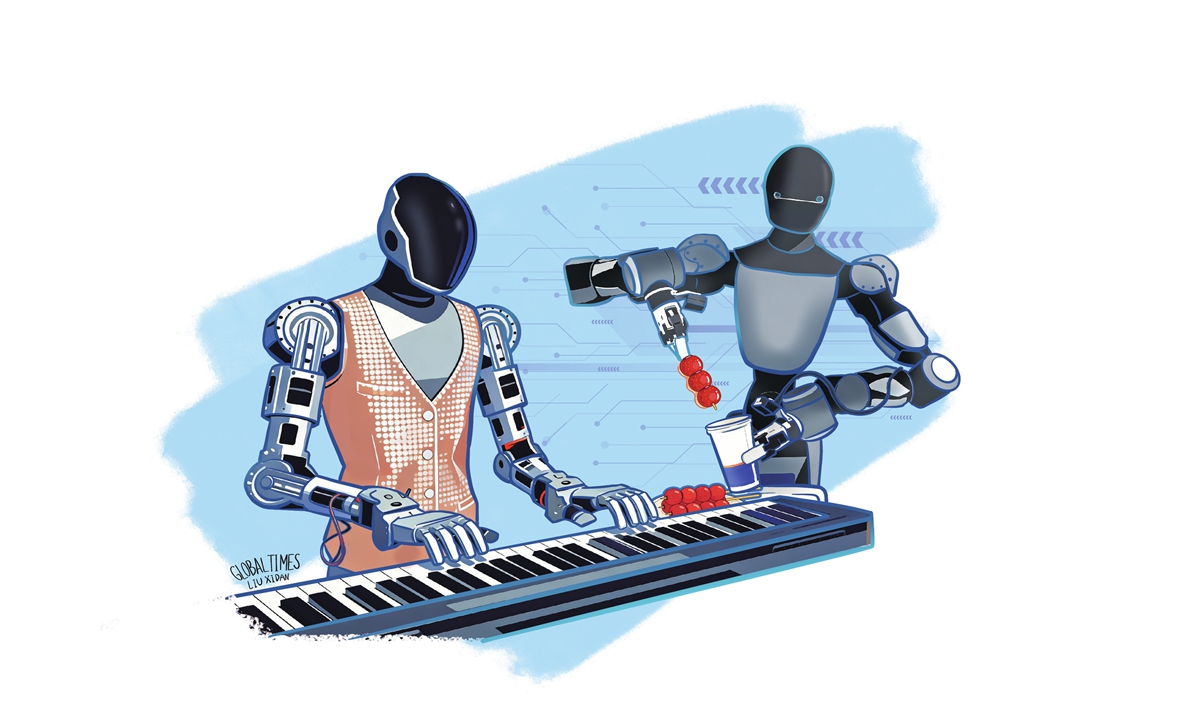
2026 ZGC Forum Highlights Rapid Growth of Embodied Intelligence
The 2026 Zhongguancun Forum showcased China's advancements in embodied intelligence, highlighting robotics and AI's transformative potential.