

EU Faces Risk of Non-Level Playing Field Amid Security Walls
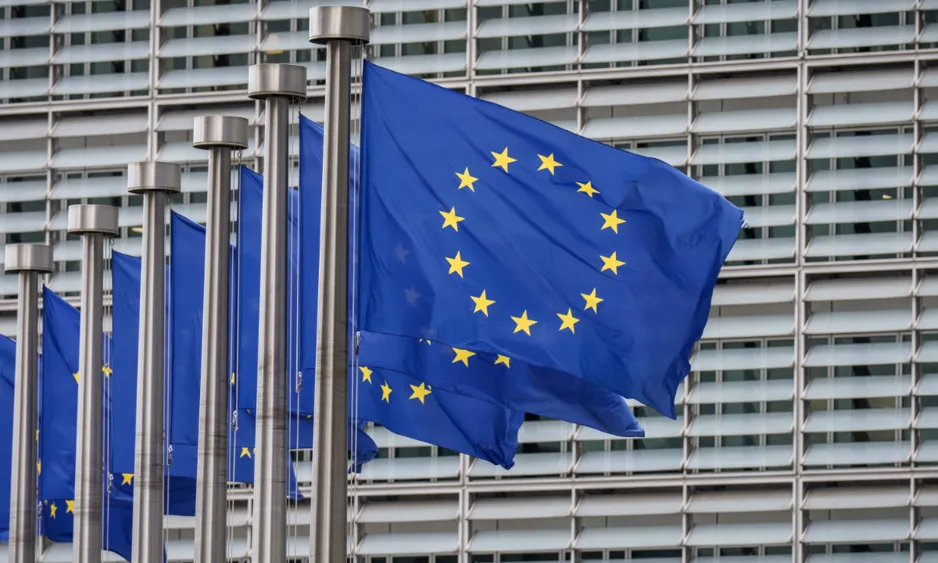
The European Union's recent trade policies have stirred significant debate, particularly regarding their potential to disadvantage non-EU companies. These measures are not just reshaping the economic landscape, but they are also raising pressing concerns about fairness in global trade dynamics and the implications for EU-China relations.
The EU has introduced a suite of trade and industrial policy tools aimed at enhancing security, sustainability, and fairness, including regulations such as the Foreign Subsidies Regulation and the Carbon Border Adjustment Mechanism. However, a closer examination reveals that these initiatives are gradually transitioning the EU market into a highly selective and exclusionary environment, likened to a 'non-level playing field'.
Worryingly, several of these initiatives appear to operate outside the legal boundaries set for EU institutions, effectively politicizing economic governance. By embedding security considerations into market access decisions, these moves challenge the foundational principles of the World Trade Organization and may exacerbate strains in EU-China economic interactions.
A pivotal moment occurred on March 4, 2026, when the European Commission unveiled its proposed Industrial Accelerator Act, which favors products of 'union origin' for public procurement. This law has drawn sharp criticism especially from major trading partners and has deepened divisions among EU member states.
The draft legislation imposes stringent restrictions on foreign investments across key sectors, including battery production, electric vehicles, and critical raw materials, targeting countries that command significant global market shares, notably disadvantaging Chinese firms.
Analysts caution that these purportedly protective measures may infringe upon important WTO commitments, including national treatment and the most-favored-nation principle, potentially contradicting the intent of agreements aimed at protecting intellectual property rights and investment regulations.
Insights from Chatham House indicate that the emphasis on 'union origin' represents a larger shift toward an interventionist policy framework, functioning as a sophisticated guise of protectionism against external competitors.
In further developments, the EU's cybersecurity policy has similarly reflected this trend. The European Commission's proposals from January 20, 2026, aim to mitigate risks posed by 'high-risk suppliers,' explicitly filtering out firms based on their national affiliations rather than purely technical capabilities.
This evolving landscape reveals a significant shift where market access is increasingly contingent on political considerations rather than equitable standards, raising alarms about potential legal ramifications within Europe over the legitimacy of such measures.
As noted by legal expert Michel Petite, there are growing concerns regarding the CSA2's implications on the EU's balance of competences, suggesting that encroaching upon national security issues could invoke institutional pushback and geopolitical discord.
The EU has historically championed a rules-based international order; however, its current trajectory seems misaligned with fundamental WTO principles, particularly those advocating for non-discrimination. The union's move towards targeted interventions and industrial policies could undermine its credibility as a global economic player.
Ultimately, as the EU strives to fortify its industrial competitiveness, it must confront the reality that its manufacturing issues largely stem from internal shortcomings, rather than external competition. A continued focus on exclusionary tactics may lead to a diminishing competitive edge, risking the loss of economic partnerships and innovation-driven growth.
Read These Next
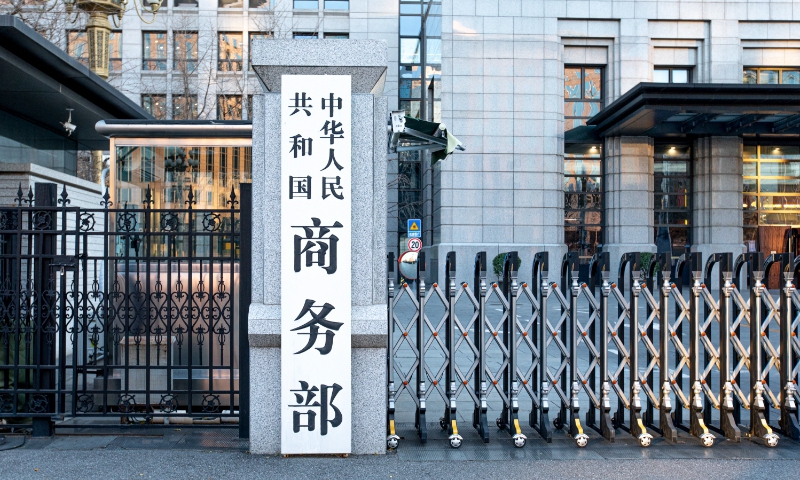
China Launches Investigations into US Trade Measures Impacting Global Supply Chains
China is investigating U.S. trade measures impacting global supply chains and green products to protect its economic interests.

Hinkley Point C Unit 1-1 Nuclear Reactor Closes in UK
UK's Heysham 1-1 nuclear reactor has ceased operations, raising concerns over energy policy and future nuclear power use.

Energy Executives Warn of Oil Supply Disruptions Amid Iran Conflict
Industry leaders at CERAWeek express concerns over global oil supply disruption due to Iran conflict, emphasizing potential fuel shortages and elevated prices despite government reassurances.