

China Launches Investigations into US Trade Measures Impacting Global Supply Chains
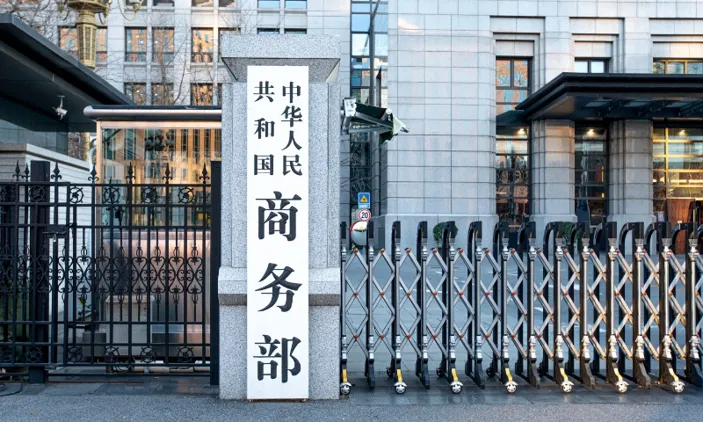
China has initiated investigations into trade measures imposed by the United States that are affecting global supply chains and the trade of green products. This move, announced by China's Ministry of Commerce (MOFCOM) on Friday, aims to safeguard China's economic interests.
According to a spokesperson from MOFCOM, the ministry will take necessary actions based on the outcomes of these investigations to protect legitimate rights and interests of Chinese industries.
The investigation stems from actions taken by the U.S. Trade Representative (USTR), which began a Section 301 investigation on March 12. This probe targets China and 15 other economies regarding alleged "structural excess capacity in manufacturing sectors," followed by another investigation on March 13 alleging failures by China and 59 other economies to prevent imports made through forced labor.
In light of these U.S. actions, MOFCOM has launched two reciprocal trade barrier investigations aimed at addressing U.S. practices that disrupt global supply chains and hinder the trade of environmentally friendly products. This step aligns with China's Foreign Trade Law and the regulations governing foreign trade barrier investigations.
Preliminary evidence gathered by MOFCOM indicates that the U.S. has employed various restrictive practices that severely affect global supply chains. These include limitations on Chinese products entering the U.S. market, restrictions on exporting new products to China, and barriers to mutual investment in key sectors.
These measures could seriously endanger the commercial interests of Chinese enterprises, with some practices potentially violating World Trade Organization (WTO) regulations or existing economic and trade agreements between China and the U.S.
The probe aims to comprehensively evaluate U.S. measures affecting global supply chains, employing diverse investigative methods such as questionnaires, public hearings, and on-site evaluations.
The investigation is set to conclude within six months of the announcement, though there is a provision for a potential three-month extension.
Moreover, MOFCOM has found preliminary evidence suggesting that the U.S. is placing obstacles in the way of trade in green products. Specific measures include restrictions on the export of such products to the U.S., delays in the rollout of new energy projects, and limitations on collaborative efforts in green technology.
The impact of these practices may significantly damage the trade interests of Chinese companies, with some measures raising concerns about violations of WTO rules and other economic agreements established between the two nations.
As previously noted, the investigation into these trade barriers will also be completed within the six-month timeframe, with an option for an extended period of up to three additional months.
Read These Next

EU Faces Risk of Non-Level Playing Field Amid Security Walls
EU's new trade policies may hinder non-EU companies, raising concerns over fairness in global trade and EU-China relations.

Hinkley Point C Unit 1-1 Nuclear Reactor Closes in UK
UK's Heysham 1-1 nuclear reactor has ceased operations, raising concerns over energy policy and future nuclear power use.

Energy Executives Warn of Oil Supply Disruptions Amid Iran Conflict
Industry leaders at CERAWeek express concerns over global oil supply disruption due to Iran conflict, emphasizing potential fuel shortages and elevated prices despite government reassurances.