

China Stresses Safe Global Supply Chains for Critical Minerals
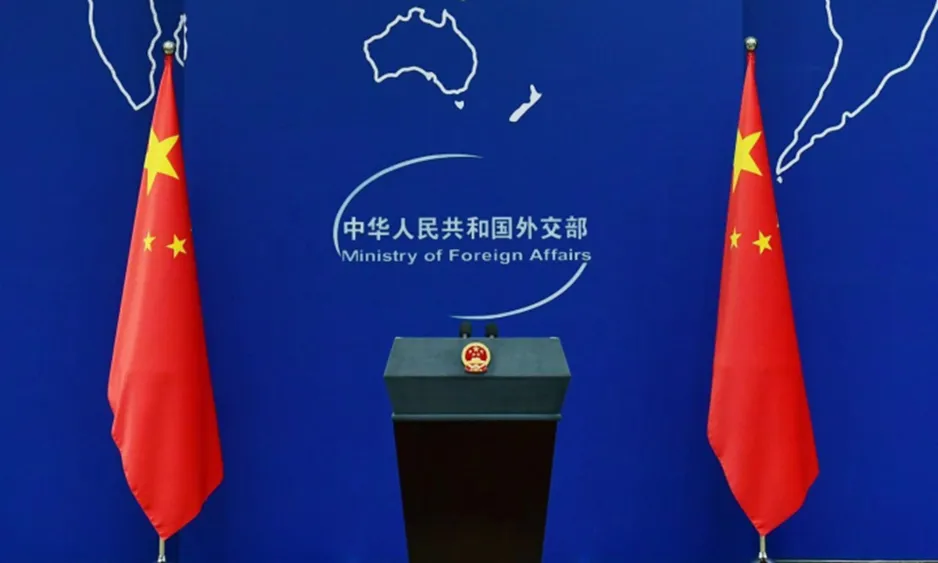
China has emphasized the need for collaborative efforts to ensure stability and security in global supply chains for critical minerals. This call for cooperation comes as the United States, European Union, and Japan forge agreements aimed at dominating the critical minerals market.
During a regular press conference on Friday, Foreign Ministry spokesperson Guo Jiakun articulated China's stance against initiatives targeting the undermining of the global economic and trade order. He highlighted the importance of maintaining an open and inclusive international trade environment that benefits all nations.
Guo reiterated the responsibility of all parties involved to contribute positively to securing and stabilizing global supply chains for critical minerals. His statements reflect China’s apprehension regarding the potential ramifications of separate trade agreements being discussed by the United States and its Western allies.
Reports indicate that the US, Japan, and EU are preparing to announce a trade agreement focused on critical minerals in the near future. There are concerns from China that it may retaliate against these efforts perceived as aimed at its exports.
According to sources familiar with the situation, the Office of the US Trade Representative is leading negotiations with Japan and the EU. These discussions may include mechanisms such as price floors and tariffs on critical minerals to address market distortions potentially caused by China.
Zhou Mi, a senior research fellow at the Chinese Academy of International Trade and Economic Cooperation, cautioned that while imposing a price floor could provide minimum returns to suppliers, it would not enhance their production capacity or technological capabilities.
Further, Jian Junbo, director of the Center for China-Europe Relations at Fudan University, warned that tariffs and trade barriers could significantly raise procurement costs for essential minerals, driving up prices and further complicating supply chains.
Industry analysts have expressed skepticism regarding the effectiveness of a US-led trade agreement, noting that divisions among Western nations could compromise its success. This skepticism is exacerbated by the ongoing trust issues stemming from unilateral actions by the US.
The impending negotiations are set to kick off in April, following a comment period that ends on March 19. However, inherent conflicts of interest persist among the US, EU, and Japan, creating complications in forming a united front against China.
Concerns regarding US dominance are mounting within Europe, as countries like Japan, France, and Canada are actively seeking alternatives to reduce their dependence on China for critical minerals.
Zhou concluded by noting that while Western nations aim to alleviate supply pressures, the misalignment of interests—particularly with the US prioritizing its own security and stability—could ultimately threaten the very supply chains they seek to protect.
Read These Next
Chinese Space Firm Aims for SQX-3 Maiden Launch in 2026
China's iSPACE targets 2026 for the SQX-3 rocket launch, boosting commercial space capabilities and competitiveness.

Meta Plans to Cut Workforce by 20 Percent
Meta plans large-scale layoffs affecting 20% or more of its workforce, reflecting industry challenges amid economic slowdown.

Oil Prices Surge Past $100 Amid Iran Conflict
This article offers an analysis of the rise in global oil prices triggered by the war in Iran, exploring market implications, historical comparisons, and potential economic outcomes.