

India Eases Investment Curbs to Boost FDI and Industrial Growth
India has recently relaxed investment restrictions from neighboring countries, a move aimed at boosting industrial growth and attracting foreign direct investment (FDI). This adjustment has elicited positive responses from international analysts, who view it as a signal of renewed commitment to enhancing investment opportunities.
Chinese investors are expected to leverage this policy shift, particularly in sectors like solar energy and electronics, which stand to benefit significantly from increased capital influx. However, experts urge the Indian government to further expand these relaxations to encompass a wider array of sectors, fostering deeper economic collaboration between India and China.
On Tuesday, the Indian government announced the easing of investment rules for select sectors, a significant step towards alleviating the capital constraints faced by the economy. This decision marks a strategic effort to reset economic ties that had been strained for years.
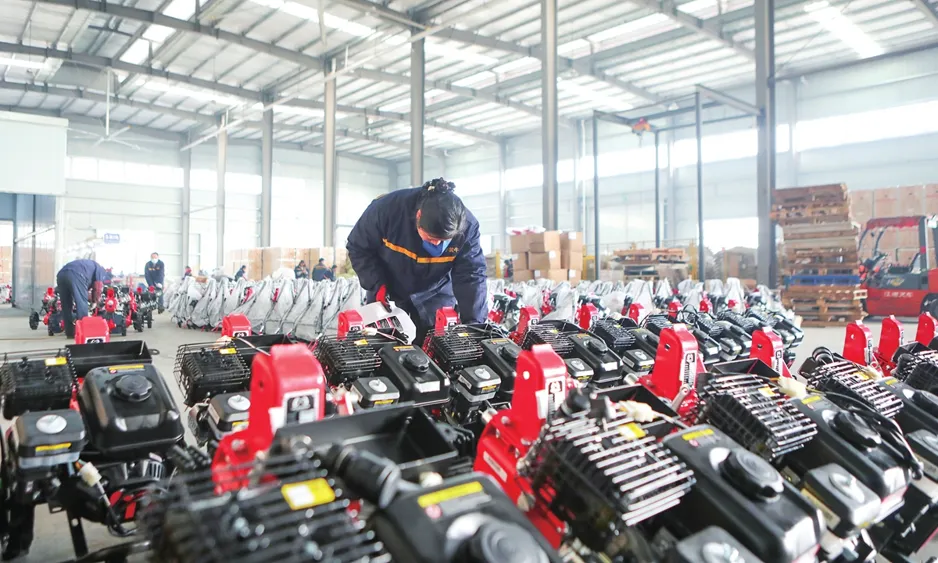
The cabinet of Indian Prime Minister Narendra Modi has approved modifications to the foreign direct investment regulations that historically placed limitations on Chinese investments and those from other neighboring countries. The updated rules specifically allow for investments in electronics, capital goods, and solar cell industries.
According to the revised guidelines, Chinese investment applications in these designated sectors will be expedited, requiring a decision within 60 days, provided that majority control remains with Indian entities. Moreover, investors with up to 10 percent Chinese ownership can now engage in investments via the automatic route, in line with current sectoral caps.
The government's initiative to ease FDI restrictions aims to enhance inflows, facilitate access to advanced technologies, and better integrate into global supply chains. This move comes on the heels of stringent measures imposed in 2020, which required security clearance for all Chinese investment applications amid deteriorating diplomatic relations.
Following the government’s updated stance, the Chamber of Chinese Enterprises in India characterized the adjustment as a minor optimization rather than a thorough liberalization. They indicated that substantial investments that imply full control by Chinese companies will still follow the previous, more rigorous approval processes.
Despite the introduction of a fast-track approval system for select sectors, the chamber highlighted that most industries will continue to struggle under tight scrutiny. The implementation and actual impact of these policy changes will need careful observation to ensure they achieve their intended goals.
India is keen to advance its mobile phone industry and other critical sectors such as semiconductors, artificial intelligence, and new energy vehicles, all of which depend significantly on Chinese expertise. Nonetheless, India's investment strategy remains selective, allowing only in areas deemed essential while keeping other sectors insulated.
The ongoing shifts in India's foreign investment policies reflect a balancing act, whereby the nation seeks to cultivate necessary technological advancements while remaining cautious of over-reliance on Chinese capital. Experts suggest that such a strategic duality is also mirrored in India's evolving visa policies.
Commenting on the broader implications of this new investment framework, Qian Feng, a notable expert from Tsinghua University, emphasized that outdated policies hamper India's economic progression. He noted this policy adjustment could bolster the "Make in India" initiative while promoting growth in India's high-tech sectors.
In light of recent international trade dynamics, including India-US tariff disputes, this policy shift can be interpreted as part of a broader strategy towards economic diversification, aligning India closer with China. Nevertheless, as progress unfolds, the pressure remains on the Indian government to provide clarity and assurance to encourage sustained Chinese investments.
Read These Next

Jiangsu Lianrui's Strategy to Hedge Currency Risks
This commentary analyzes Jiangsu Lianrui New Materials Co., Ltd.'s annual report, focusing on its expansion of overseas operations and proactive hedging strategies, while examining the inherent risks and broader economic trends.
China NEV wholesale set to grow 13% to 173 million units by 2026
China's wholesale sales of new-energy vehicles expected to grow 13% this year, driven by advances in self-driving tech and global expansion.

Fitch Warns Saudi Banks May Stop Growth Amid Iran Conflict
Fitch warns that ongoing Iran-Saudi conflict could stall Saudi banking growth and dividends, raising concerns for regional stability.