

HK Must Integrate into National Overall Development Says CPPCC Member
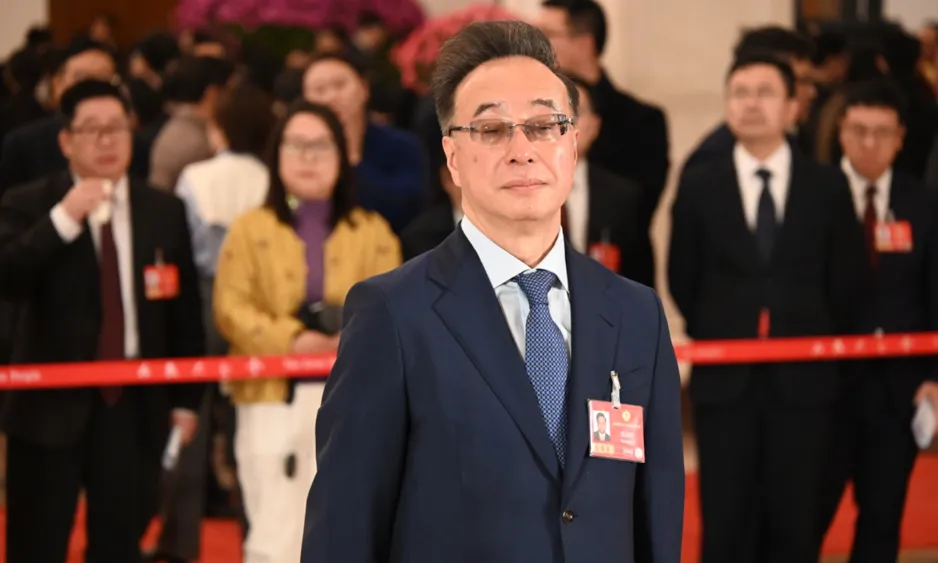
A member of the 14th National Committee of the Chinese People's Political Consultative Conference (CPPCC), Tu Haiming, has emphasized Hong Kong's critical role in the implementation of China's 15th Five-Year Plan for the period 2026-2030. During a group interview prior to the closing session of the CPPCC, Tu outlined the necessity for Hong Kong to closely integrate within the broader national development framework.
Tu, who also serves as the vice-chairperson of the Committee on Liaison with Hong Kong, Macao, Taiwan, and Overseas Chinese, elaborated on Hong Kong's integration efforts over the past year. He pointed to three notable developments that underline this process.
One significant milestone was the hosting of the 15th National Games of China last November, where Guangdong, Hong Kong, and Macao collaborated for the first time. The event featured road cyclists commencing their journey from the Hong Kong-Zhuhai-Macao Bridge, benefiting from seamless customs clearance as they made their way through Zhuhai, Hengqin, and Macao before returning to Hong Kong, exemplifying the integration spirit of the Greater Bay Area.
Highlighting this achievement, Tu remarked, 'This moment was not only a spectacular highlight of the competition but also a vivid microcosm of the Greater Bay Area's integrated development, allowing people to truly feel the unique charm of regional fusion.'
In addition to cultural and sporting events, Hong Kong's financial services sector continues to demonstrate its support for national growth. Tu noted that in 2025, the Hong Kong Stock Exchange (HKEX) celebrated an average of one listing every three days, with 119 companies going public and raising a total of HK$285.8 billion, the highest globally.
A significant portion of this success derives from mainland enterprises, with 94 percent of the listed companies originating from the mainland, which constituted 88 percent of the total funds raised. This robust investment showcases the strong ties between Hong Kong and mainland China.
Moreover, confidence in Hong Kong's scientific research capabilities is surging, bolstered by national policies. In August 2025, the Ministry of Science and Technology recognized 15 national key laboratories in Hong Kong, with each receiving an annual funding boost of HK$20 million from the Hong Kong Special Administrative Region Government.
Tu noted, 'From the convenient experience of seamless customs clearance to the vibrant momentum at the HKEX, and the deepening scientific collaboration, Hong Kong is feeling the power of integration.' He emphasized that this growth reflects a strengthening confidence and commitment to the city’s development.
As the inaugural year of the 15th Five-Year Plan unfolds, Tu underlined the unique opportunities for Hong Kong to further develop its role within the national strategy. He identified four key areas where Hong Kong can play a pivotal role.
First, Tu posited that Hong Kong can act as a gateway for mainland enterprises seeking to expand globally. The city's understanding of international markets enables local collaborations, thereby facilitating a collective effort toward global outreach.
Second, as the world’s third-largest international financial center, Hong Kong is positioned to fuel industrial innovation by providing essential financial resources for high-quality development endeavors in mainland China.
Finally, Tu articulated the idea that Hong Kong could become a bridge for institutional openness, with its regulatory alignment with mainland standards contributing to China's high-level institutional reforms. Additionally, he projected that Hong Kong could serve as a catalyst for green initiatives, leveraging its expertise in international green products to draw funding aimed at fostering sustainable development within the mainland.
Read These Next

Iran Conflict May Increase Food Prices via Fertilizer Disruption
This commentary examines the implications of the Iranian conflict on global fertilizer supply chains, highlighting potential food inflation and risks to food security. It emphasizes economic interdependencies and compares present conditions with historical precedents.

Chinese Airlines Enhance Refund and Change Policies for Middle East Flights
Chinese airlines revise refund and change policies, offering free changes and refunds for affected routes amid Middle East tensions.

UK to Release Oil Reserves This Friday Reports Financial AP
UK to release strategic oil reserves Friday to stabilize domestic energy amid rising global prices, affecting oil market trends.