

China's Foreign Minister Calls for Regional Security in Strait of Hormuz
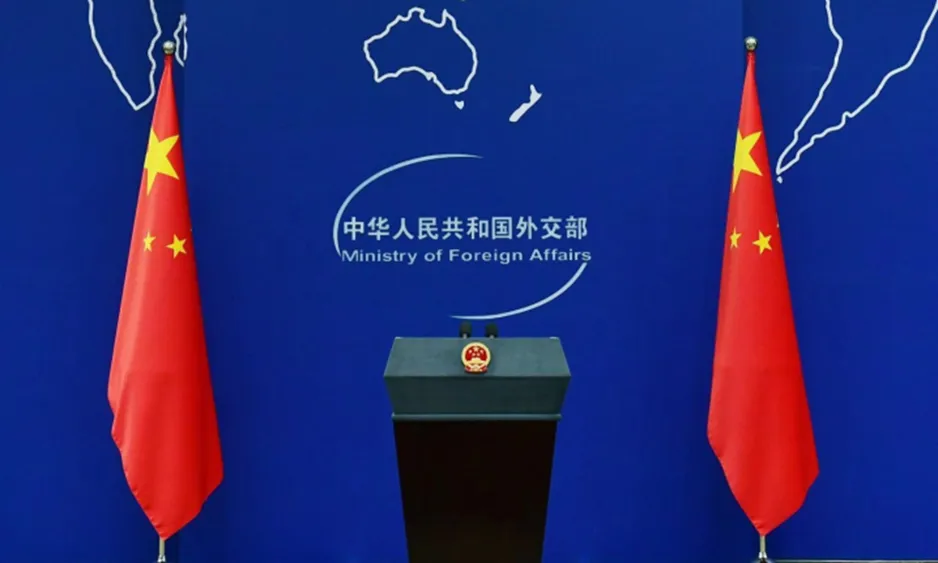
China's Foreign Ministry has underscored the significance of the Strait of Hormuz, a critical juncture for international trade, particularly in oil and gas, amid escalating tensions following Iran's declaration of control over the waterway.
In a recent press briefing, Chinese Foreign Ministry spokesperson Mao Ning addressed claims made by Iran's Islamic Revolutionary Guard Corps asserting their control over the Strait of Hormuz. This route serves as a crucial artery for energy transportation, and the claims suggest that vessels transiting could potentially be targeted by missile or drone attacks.
Mao emphasized that the Strait of Hormuz and its adjacent waters are essential international channels necessary for the flow of cargo and energy. The assurance of security and stability in this area, she noted, is in alignment with the collective interests of the international community.
In light of heightened military rhetoric, China has called upon all involved parties to halt military activities promptly. This call is aimed at reducing ongoing tensions that threaten to spiral into deeper conflict.
Additionally, the spokesperson urged for the prevention of further turmoil that could lead to significant repercussions on the global economy, underscoring the interconnectedness of regional stability and international trade.
These developments highlight the fragile nature of security in the Strait of Hormuz, which is essential for global energy supplies, and demonstrate China's intent to advocate for calmer relations among nations.
The situation continues to evolve, and China’s proactive stance may play a role in shaping international relations in terms of energy security and diplomatic engagement in the region.
Read These Next
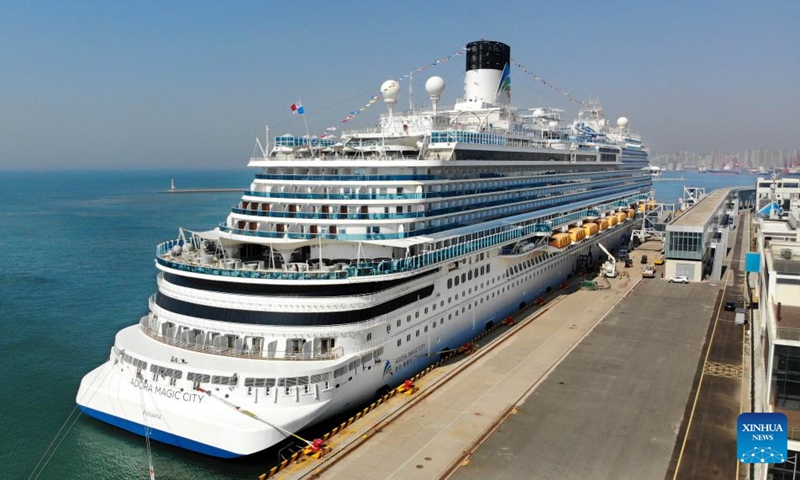
Maritime Transport Needs to Evolve for Sustainability and Growth
Li Ying from China's National Committee stressed the need for larger, smart, eco-friendly vessels to enhance maritime transport.
Meta Platforms to Develop AI Training Silicon Chips
Meta Platforms plans to develop its own silicon chips to enhance AI training and strengthen its competitive edge.
Trade data shows a unified and accessible Chinese market
China aims to unify its market by reducing barriers and boosting trade openness, creating opportunities for foreign companies.