

Tech Workers Demand Ethical Limits on Military Ties

The recent unrest within some of Silicon Valley's most influential tech firms, particularly Google and OpenAI, reflects a growing tension between innovation in artificial intelligence (AI) and ethical considerations surrounding military involvement. Following the U.S. military actions in Iran and the Pentagon's blacklisting of Anthropic, employees across these firms have mobilized to demand clear limits on their companies' collaborations with the military. The open letter dubbed "We Will Not Be Divided," which quickly garnered nearly 900 signatures, epitomizes a critical moment in the intersection of technology development and military applications, urging companies to establish a moral framework amidst governmental pressures.
The alarming escalation in military AI application in recent months aligns with troubling historical precedents, such as the concerns surrounding tech collaborations during the post-9/11 era. While the U.S. government cites national security priorities, the potential for abuse ranging from mass surveillance to fully autonomous weaponry ignites apprehension among tech employees. Notably, companies like Google are in talks with the Pentagon to deploy their AI model Gemini within classified systems—a move that doubles down on military collaboration despite the perceived risks of violating privacy rights and ethical boundaries. In juxtaposition to historical events like the 2008 financial crisis, which revealed systemic failures masked under regulatory ignorance, the current tech backlash presents an opportunity for a transformative dialogue about corporate responsibility in AI development. Can we also afford a blind eye to the unintended consequences that may arise from an unregulated military-tech partnership?
The critique mounted by tech workers reflects broader concerns shared among investors or consumers who prioritize ethical standards in corporate strategies. The pressures from groups such as No Tech For Apartheid reveal a significant challenge facing tech giants: balancing profit derived from government contracts with public accountability. The letter's assertion that such partnerships could enable mass data collection not only raises risk management questions for potential investors but also echoes the yawning ethical debates initiated in prior tech revolutions. What inadvertently transpires behind the veil of government contracts might ultimately unwind public trust and consumer loyalty, as seen during the backlash following the Facebook-Cambridge Analytica scandal. Thus, the implications of military relations with companies like Google extend beyond immediate profits, reflecting ongoing themes of corporate governance and social responsibility.
Read These Next

Jiangsu Lianrui's Strategy to Hedge Currency Risks
This commentary analyzes Jiangsu Lianrui New Materials Co., Ltd.'s annual report, focusing on its expansion of overseas operations and proactive hedging strategies, while examining the inherent risks and broader economic trends.
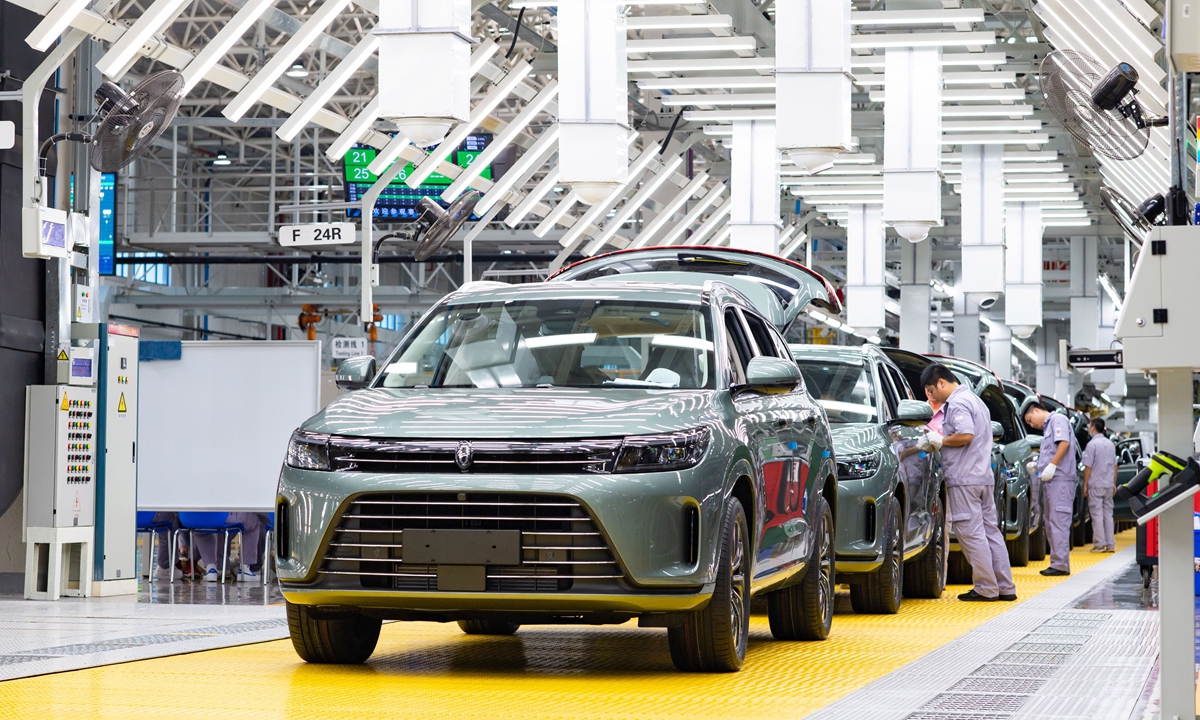
China NEV wholesale set to grow 13% to 173 million units by 2026
China's wholesale sales of new-energy vehicles expected to grow 13% this year, driven by advances in self-driving tech and global expansion.

Fitch Warns Saudi Banks May Stop Growth Amid Iran Conflict
Fitch warns that ongoing Iran-Saudi conflict could stall Saudi banking growth and dividends, raising concerns for regional stability.