

Natural Gas Prices Rise: Economic Effects from Middle East Turmoil

The ongoing conflict in the Middle East, particularly the escalation involving Iran, is sending shockwaves through global energy markets, driving natural gas prices to unprecedented heights. Analysts are raising alarms about the potential ramifications of rising natural gas prices on European and Asian economies. This situation is not just about fluctuating prices; it symbolizes a deeper vulnerability within these economies stemming from their energy dependencies.
Recent surges in Dutch Title Transfer Facility (TTF) futures—Europe’s gas benchmark—highlight the stark reality that energy disruptions are not merely hypothetical. Prices on the TTF soared by 35% in one day, reaching levels reminiscent of the 2022 energy crisis when geopolitical tensions first revealed the fragility of Europe's gas supply chains. Similarly, the Japan-Korea Marker (JKM) has also spiked, reflective of the rebalancing acts Asian economies must now consider as they grapple with soaring import costs. Goldman Sachs warns that a sustained disruption in flow through the Strait of Hormuz could lead prices to reach thresholds that triggered earlier demand shocks, highlighting how interconnected and fragile global energy security has become.
The vulnerability exposed by these rising prices is alarming; about 25% of Europe’s gas supply is sourced from LNG, a figure that emphasizes the need for urgent diversification away from traditional pipelines. The implications of a 10% rise in energy prices could see a slowdown in GDP by as much as 0.2% in both the U.K. and Eurozone. Such a downturn strains public finances and challenges reindustrialization efforts in these regions. Concurrently, nations like India—highly dependent on LNG imports from the Middle East—face their own set of challenges, as domestic energy prices soar in anticipation of further cuts to LNG supplies, creating a ripple effect of economic tension across Asia. This scenario raises significant questions about our collective assumptions regarding energy resilience and economic planning. How do policymakers balance immediate supply needs against long-term sustainability goals? Policymakers may have underestimated the unintended consequences of heightening sanctions and isolating energy-producing nations, potentially catalyzing more volatile energy markets.
As investors watch this precarious situation develop, opportunities and risks diverge significantly across sectors. Energy companies like Equinor are witnessing stock price increases, indicating investor interest in firms positioned to benefit from higher prices. Still, for consumers and businesses grappling with escalating energy costs, the outlook appears grim. The threat of stagflation looms large, prompting a necessary reevaluation of fiscal and monetary policies in the face of rising costs and stagnant growth. The current crisis underscores the urgent need for effective energy diversification strategies across European and Asian markets while incentivizing renewed investments in renewable sources—a crucial pivot in addressing both short-term energy security and long-term economic stability.
Read These Next

Jiangsu Lianrui's Strategy to Hedge Currency Risks
This commentary analyzes Jiangsu Lianrui New Materials Co., Ltd.'s annual report, focusing on its expansion of overseas operations and proactive hedging strategies, while examining the inherent risks and broader economic trends.
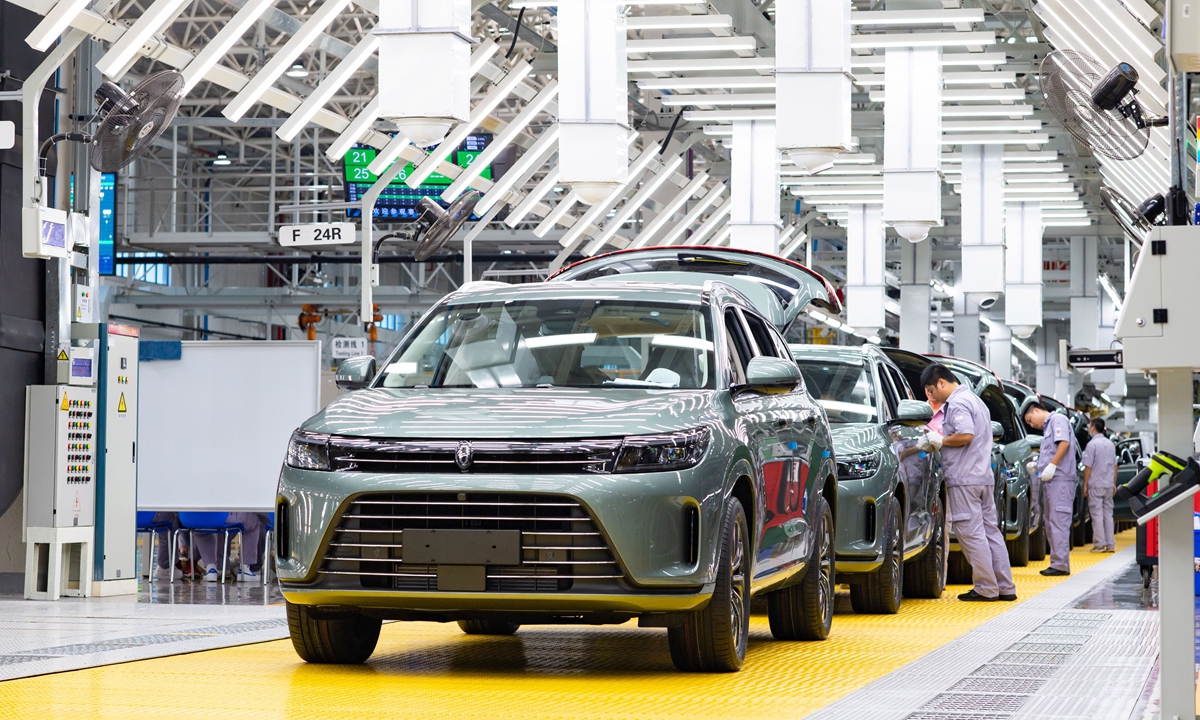
China NEV wholesale set to grow 13% to 173 million units by 2026
China's wholesale sales of new-energy vehicles expected to grow 13% this year, driven by advances in self-driving tech and global expansion.

Fitch Warns Saudi Banks May Stop Growth Amid Iran Conflict
Fitch warns that ongoing Iran-Saudi conflict could stall Saudi banking growth and dividends, raising concerns for regional stability.