

US Considers National Security Tariffs on Six Industries
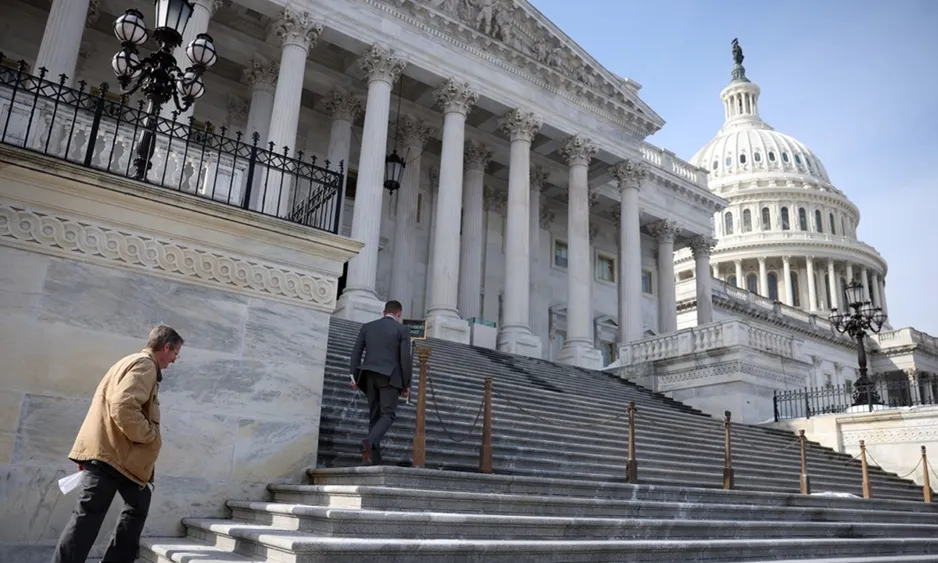
The US administration is reportedly weighing the introduction of new 'national security' tariffs on various industries, according to a recent report by The Wall Street Journal. This potential move underscores the US strategy to reshape its tariff framework, potentially to amplify pressure on trading partners while reinforcing its 'America First' agenda. Analysts warn that such tariffs may instigate further disruptions within global supply chains.
The industries targeted for the proposed tariffs could include large-scale batteries, cast iron and iron fittings, plastic piping, industrial chemicals, and equipment for power grids and telecommunications. These tariffs are expected to be imposed under Section 232 of the Trade Expansion Act of 1962, sources familiar with the deliberations have indicated.
The anticipated Section 232 tariffs would be distinct from previous levies instituted by former President Donald Trump. Following the Supreme Court's recent invalidation of numerous Trump-era tariffs, a new 15 percent tariff, which he can enforce for five months, will be levied. Additional tariffs meant to roll out following this period would be applied under a separate legal provision, Section 301 of the Trade Act.
Experts assert that the US government's actions reflect a desire to reconstruct its tariff system in the wake of legal challenges. Zhou Mi, a senior research fellow at the Chinese Academy of International Trade and Economic Cooperation, remarked that the US is using Section 232 to justify trade protectionism, cloaking economic rivalry as a matter of national security, which he argues contravenes World Trade Organization principles.
In a related development, Trump hinted at imposing even higher tariffs on goods imported from countries perceived to be manipulating existing trade agreements with the US. This warning came in the aftermath of the Supreme Court's verdict, signaling his intent to retaliate against what he deems unfair practices. Trump’s remarks underscore his commitment to unilateral tariff imposition.
Bloomberg noted that Trump's statements illustrate his determination to implement broad tariffs despite legal limitations that have recently emerged from the Supreme Court ruling. This positions the US administration’s tariff strategy as largely unchanged, reflecting a zero-sum viewpoint that continues to use tariffs as an economic lever.
The proposed tariff measures are likely to escalate price volatility and deepen disruptions in supply chains, according to analysts. This approach, they argue, not only jeopardizes US businesses but could also exacerbate the instability of American consumer markets, directly affecting consumers.
In the midst of these developments, FedEx has initiated a lawsuit against the Trump administration, seeking a full refund of tariffs it previously paid under the International Emergency Economic Powers Act, arguing that it suffered financial harm from these duties.
Furthermore, prominent American trade associations are advocating for reimbursements of the tariffs following the Supreme Court's ruling. The National Retail Federation, which encompasses a wide array of retailers, highlighted the need for a seamless refund process, particularly for small businesses struggling under the weight of ongoing tariffs.
In expressing their dissatisfaction with tariff policies, American companies' pursuit of refunds reflects a broader call for lowering trade barriers. Experts point out that the implementation of protectionist measures has already burdened supply chains with increased costs, leading to higher prices for consumer goods and diminishing the international competitiveness of American products.
While the process of obtaining tariff refunds may entail complexities, experts urge that the US government must heed the legitimate pleas from the business sector, mitigating the adverse domestic impacts of unilateral tariff policies.
Read These Next

Paramount-Netflix Tug-of-War: Media Landscape Implications
This commentary analyzes the implications of Paramount's increased bid for Warner Bros. Discovery amidst a competitive media landscape, exploring issues of consolidation, regulatory scrutiny, and consumer impact.
MOFCOM Sets Export Restrictions on 40 Japanese Firms Over Military Links
China limits exports to 40 Japanese entities over military ties, raising trade and economic concern amid Japan's militarization.

Touchscreen MacBook Pro Expected to Launch This Fall
Apple plans to launch a new touchscreen MacBook Pro this fall, exciting tech enthusiasts and aiming to attract creative professionals.