

MOFCOM Sets Export Restrictions on 40 Japanese Firms Over Military Links
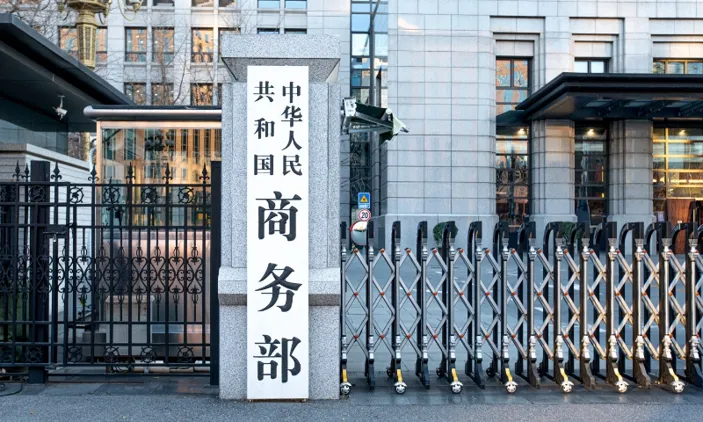
China has imposed export restrictions on 40 Japanese firms, including prominent players such as Mitsubishi Heavy Industries Shipbuilding Co. and SUBARU Corporation. This action has been attributed to concerns over Japan's increasing militarization, a move that raises significant trade and economic implications.
The restrictions, announced on the first working day after the Chinese Spring Festival holidays, serve as a clear demonstration of China's resolve to counteract Japan's militaristic tendencies while safeguarding its national security interests. Analysts suggest that these measures are likely to impede Japan's pursuit of remilitarization.
The Ministry of Commerce (MOFCOM) of China has placed 20 of the Japanese entities, including several affiliates associated with Mitsubishi Corp, on its export control list. This places a ban on exporting dual-use items—goods that can serve both civilian and military purposes—to these entities due to their involvement in strengthening Japan's military capabilities.
Effective immediately, these restrictions are enforced under China’s Export Control Law, which aims to protect national security while fulfilling non-proliferation commitments. The law prohibits the exportation of dual-use goods to the identified entities and bars foreign organizations from transferring these items to them.
In a related move, MOFCOM also placed another set of 20 Japanese firms, including SUBARU and TDK Corporation, on a watch list. This was a result of the ministry's inability to confirm the end users and purposes of the dual-use items being exported.
The entities identified by MOFCOM are key to Japan's military capabilities across various domains, including naval, ground, air, and even space applications. Some analysts point out that many of these companies are engaged in developing offensive weapon systems that may threaten stability in East Asia.
This listing may have severe repercussions for Japanese companies reliant on Chinese supply chains for essential components or materials. The measures underscore China's intention to respond to Japan's militarization and acquisitions of nuclear capabilities from a legal standpoint.
China's actions have been characterized as justified and lawful by officials, who assert that these measures are aligned with national and regional security objectives. The response is viewed as targeted, addressing specific entities rather than implementing a broad-based economic embargo.
On the financial front, the new restrictions have impacted Japanese stocks, with notable declines in shares of Mitsubishi Heavy Industries, Kawasaki Heavy Industries, and others in the defense sector. This represents a tangible reflection of market concerns stemming from geopolitical tensions.
Japan has formally protested these restrictions, asserting that they are unacceptable and require retraction. The ongoing tensions highlight a significant shift in Japan's defense policies, including increasing military assertiveness and review of postwar security frameworks.
As Japan continues to change its security landscape, indications of further economic fallout may emerge, with sectors potentially suffering as a consequence of the escalating geopolitical disputes.
Read These Next

Paramount-Netflix Tug-of-War: Media Landscape Implications
This commentary analyzes the implications of Paramount's increased bid for Warner Bros. Discovery amidst a competitive media landscape, exploring issues of consolidation, regulatory scrutiny, and consumer impact.

Touchscreen MacBook Pro Expected to Launch This Fall
Apple plans to launch a new touchscreen MacBook Pro this fall, exciting tech enthusiasts and aiming to attract creative professionals.
China's New Breakthroughs in Shipping Energy and Space Exploration
China achieved major advancements in shipping, energy, and space during the Spring Festival, highlighting its tech leadership and innovation.