

Supreme Court Ruling: Navigating Global Trade Uncertainty

The recent U.S. Supreme Court ruling, which largely dismantles the tariff architecture established under former President Donald Trump, has sent ripples through global trade circles. With a 6-3 majority declaring that the President lacked the authority to impose certain import tariffs, this judicial intervention raises critical questions about the future of trade relationships and economic strategies. The ruling is significant, as it does not merely impact U.S. trade policy but reverberates across international borders, influencing economies that have become intricately tied to American policy decisions.
In the immediate aftermath, President Trump announced the implementation of a new 10% global tariff under Section 122, demonstrating that, despite the Court's ruling, the administration intends to retain some levers of tariff power. This development has added complexity to a landscape already fraught with uncertainty. Countries affected range from traditional allies like the United Kingdom and Canada to emerging markets like Vietnam and Brazil, all facing the dual task of maneuvering their own negotiations while responding to U.S. policy shifts. Taiwan's government downplayed potential disruptions, suggesting its semiconductor industry would be minimally affected, yet it remains on high alert for further developments.
The broader implications of this ruling cannot be overstated. French President Emmanuel Macron’s acknowledgment of the Supreme Court's role in upholding the rule of law juxtaposes the U.S. decision-making landscape against the backdrop of evolving global economic powers. This move reflects a broader trend of questioning unilateral trade policies reminiscent of the protectionist sentiments seen during historical events like the dot-com bubble and the 2008 financial crisis, which also prompted drastic economic policy shifts leading to lasting alterations in trade dynamics. With the British Chambers of Commerce noting the increased uncertainty for businesses amid this transition, stakeholders must prepare for a potential re-shaping of trading norms.
However, while the ruling may serve to alleviate some concerns over overly expansive executive power, it is crucial not to overlook the unintended consequences of re-establishing tariffs. For instance, will companies now find themselves aggressively negotiating refunds for previously paid duties amidst regulatory ambiguity? Furthermore, how do these changes affect consumer prices and supply chain logistics down the line? The landscape is still fraught with questions, not only for exporters and importers but also for regulators trying to navigate the maze of international agreements.
Looking ahead, the path remains fraught with challenges and opportunities. Companies will need to harness strategic foresight and legal expertise to navigate this evolving arena. A recalibration of their approaches to tariffs and customs procedures may not merely be prudent but necessary for survival in an increasingly globalized market. As economic indicators—ranging from GDP growth rates to inflation measures—continue to evolve in the wake of policy changes, the interplay between domestic law and international trade will undoubtedly shape future legislative agendas and corporate strategies.
Read These Next

KOSPI's Resilience: Opportunities in Trade Tensions
Commentary on the resilience of the KOSPI index amidst U.S.-China trade tensions, exploring implications for Asian markets and potential opportunities for investor optimism.
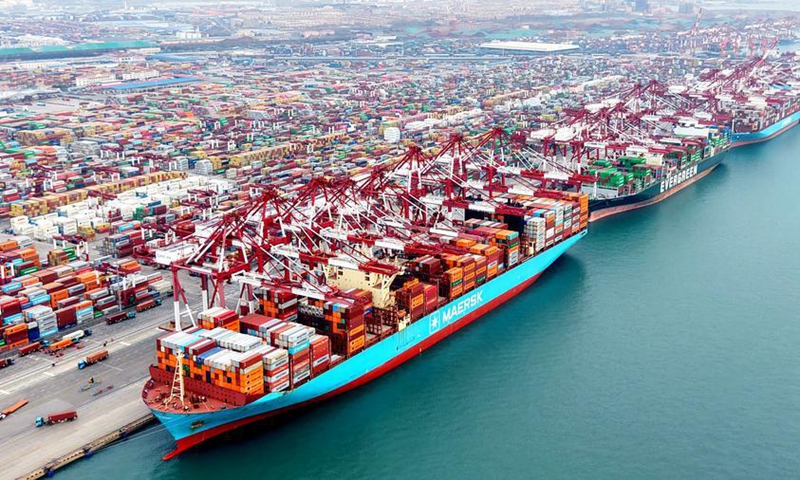
China Surpasses US to Become Germany's Top Trade Partner in 2025
China is Germany's top trade partner again in 2025, showing strong economic ties and promising prospects for German companies.
South Korean Composite Index Rises 2% to 5925.54 Points
South Korea's composite index rises 2% to a record 5,925.54, boosted by Samsung's 3% stock increase, indicating strong investor confidence.