

International Media Reacts to Indian University Robodog Claim
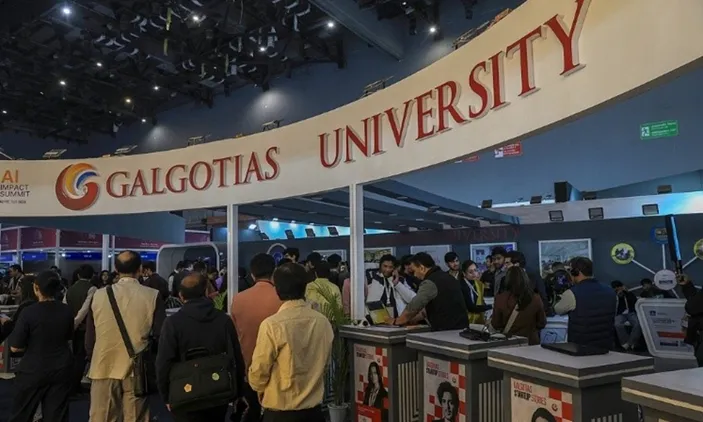
Galgotias University in India is under intense scrutiny following allegations of presenting a Chinese-made robotic dog as its own innovation during the India AI Impact Summit 2026. This incident has sparked widespread media coverage both locally and internationally, calling into question the integrity of academic institutions and their role in promoting advancements in technology.
The controversy has led Indian netizens to probe deeper into the university's claims, leading to speculation that it may have drawn from other international technological advancements. This scrutiny intensifies the conversation about the accountability of academic entities, especially those supported by government initiatives.
The Associated Press reported that the incident was deemed an embarrassment for India, with two anonymous officials confirming the nation's concern over the situation. The ramifications were exacerbated when IT Minister Ashwini Vaishnaw publicly shared content regarding the robotic dog on social media before facing significant backlash that prompted him to delete the post.
As criticism grew, Galgotias University was ordered to dismantle its exhibition at the prestigious AI summit in New Delhi. Reports indicated that the university's pavilion had its power cut before the team vacated the area, a stark measure reflecting the seriousness of the criticism leveled against it.
Media outlets and online commentators are now investigating whether other showcased products from Galgotias University were also sourced from abroad. This recent scandal has placed additional products under the microscope, including a soccer drone, which some users claim closely resembles a model developed by South Korea's Helsel Group.
The remarks from the Indian Youth Congress on social media encapsulated the sentiments surrounding the allegations, suggesting a pattern of 'borrowing' innovations from other countries. The organization highlighted how Galgotias had previously claimed to have developed India's first Drone Soccer, which they asserted was merely a repackaged version of a foreign product.
In the wake of the backlash, Neha Singh, a communications professor at Galgotias, contended that she had never explicitly asserted that the robodog was an original creation of the university. However, the university still issued an apology, stating that Singh was misinformed and unauthorized to address media inquiries.
Despite their efforts to clarify the situation, including acknowledging the robodog's acquisition for educational purposes, the university's response has not succeeded in quelling the ongoing criticism. Key media reports underscore the need for greater transparency and accountability for institutions striving to position themselves as leaders in technology and education.
The ongoing fallout highlights the challenges India faces as it attempts to establish itself as a formidable player in the fields of AI and advanced manufacturing. Opposition leader Rahul Gandhi criticized the summit as a disorganized public relations event, questioning the decision to showcase foreign products at an event ostensibly aimed at promoting India's technological prowess.
The fallout extends beyond mere embarrassment, as reports from the summit reveal organizational challenges, including long lines and claims of stolen property from exhibitors. Although items were reportedly recovered, these logistical issues have further overshadowed the summit's intentions.
In conclusion, while Galgotias University expresses regret over the incident, the backlash reflects a broader concern about academic integrity and innovation in India. As discussions about the representation of technology and accountability continue, it is evident that this incident has significant implications for the country’s aspirations on the global stage.
Read These Next

Examining Recent Trends in Share Buybacks
Commentary on the company's recent share buyback program and its implications for investors, market conditions, and future growth strategies.
FTSE Singapore Straits Times Index Hits New High at 5017.60 Points
On February 20, 2026, the FTSE Singapore Straits Times Index hit a record high of 5,017.60, up 0.3%, showing investor confidence.

HKC International Holdings' Strategic Shifts and Engagement
A critical commentary on recent developments at HKC International Holdings Limited, focusing on their property transfer announcement, communication strategies with shareholders, and implications for financial performance and risk management.