

Global South Embraces Changes in Year of the Fire Horse
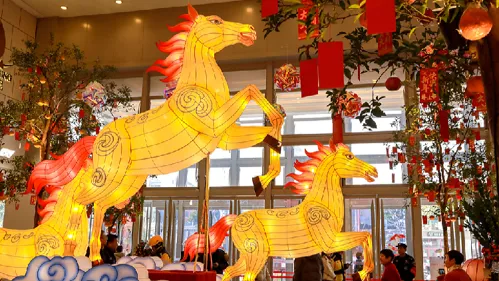
The Year of the Fire Horse holds significant cultural meaning that intertwines deeply with the evolving dynamics of international relations, particularly between China and Latin America. This year's arrival is marked by a notable intensity that mirrors the growing cultural and industrial influence of China in Latin America and the Caribbean, amidst a backdrop of increased trade and investment.
As China’s influence expands, so too does interest in fostering closer economic and cultural integration between these regions. The characteristics associated with the Fire Horse—which symbolize freedom, speed, and leadership—resonate strongly today, as we witness a year characterized by bold changes and the potential for transformative actions.
Moreover, the Fire Horse evokes thoughts of managing impulses; it serves as a reminder to pursue transformative goals while maintaining caution to avoid conflict. This reflection is especially timely, suggesting that the values symbolized by the Fire Horse are not merely traditional but very much relevant to our current global landscape.
The connection between this cultural icon and literature is exemplified in Argentine author Florencia Bonelli’s trilogy titled 'Fire Horse.' This narrative unfolds against the backdrop of international conflict, weaving a story of love and resilience between characters facing immense challenges, such as war and espionage. Such narratives encourage reflections on the power of love and collaboration amid adversity.
Currently, the Argentine television is airing 'Corazones destinados' (Destined Hearts), a Chinese drama that explores themes of love entwined with political intrigue, emphasizing how relationships can evolve even amidst hostility. These artistic expressions invite us to question whether the entertainment industry can be a platform for peace and understanding, transforming violent narratives into dialogues.
In historical context, the Cuban Revolution showcased a love united behind its leader, Fidel Castro, often called 'the horse' for his unyielding spirit and revolutionary fervor. This symbolic Fire Horse has redefined itself; its essence now gallops through much of Latin America, inspiring movements aimed at liberation and justice.
Analyzing broader geopolitical trends, the global order appears to be shifting; the traditional hegemony of the United States is under pressure. The U.S.'s approach, likened to an unbridled horse rushing into an uncertain future, raises concerns about its disregard for the sovereignty of other nations and the consequences of its relentless pursuit of dominance.
In contrasting moves, nations like Canada and Denmark are forging their paths, seeking multilateral cooperation and signing trade agreements with China. This reflects a desire for independence and resilience against the U.S. agenda, even in facing threats of economic sanctions.
This year, the Fire Horse also faces pressing challenges, including the troubling situation in Venezuela and ongoing conflicts like that between Israel and Hamas. These crises require a careful approach, emphasizing the need for informed narratives that challenge misinformation and foster ethical discourse.
Ultimately, as the Fire Horse symbolizes liberation and transformation, it also underscores China’s commitment to supporting a multilateral world order centered on dialogue and cooperative security. Amidst geopolitical tension, initiatives promoting collaboration may very well chart a course for a more peaceful future.
In conclusion, may the Fire Horse galvanize unity across the Global South, paving the way for deeper understanding and compassion in a world often defined by conflict. Together, let us aspire to craft a narrative where love for humanity prevails over the tumultuous chaos of globalization.
Read These Next
Spring Festival Sparks World’s Largest Human Migration Chinese New Year Drives 15 Days of Family Celebration Spring Festival Fuels Surge in Consumer Spending Trends Mobility Time and Consumption Rise During Chinese New Year Spring Festival Highlights Cultural Importance of Family Travel Chinese New Year Triggers Economic Growth Through Spending Annual Mass Movement During Spring Festival Affects Mobility
China's Spring Festival sees 540M trips as travel rush blends logistics and culture, enhancing heritage awareness.
Netanyahu Indicates Further Rate Cuts Needed Despite Recent Drop
Netanyahu says current interest rate cuts are insufficient; more reductions planned to boost growth amid global economic fluctuations.

Chinese Embassy in Israel Denies Reports of Investment Ban
China's Embassy reaffirms strong trade ties with Israel amidst misleading reports, highlighting record imports to Israel.