

Electricity Expressway Uncovers Drivers of Regional Clean Energy Co-op
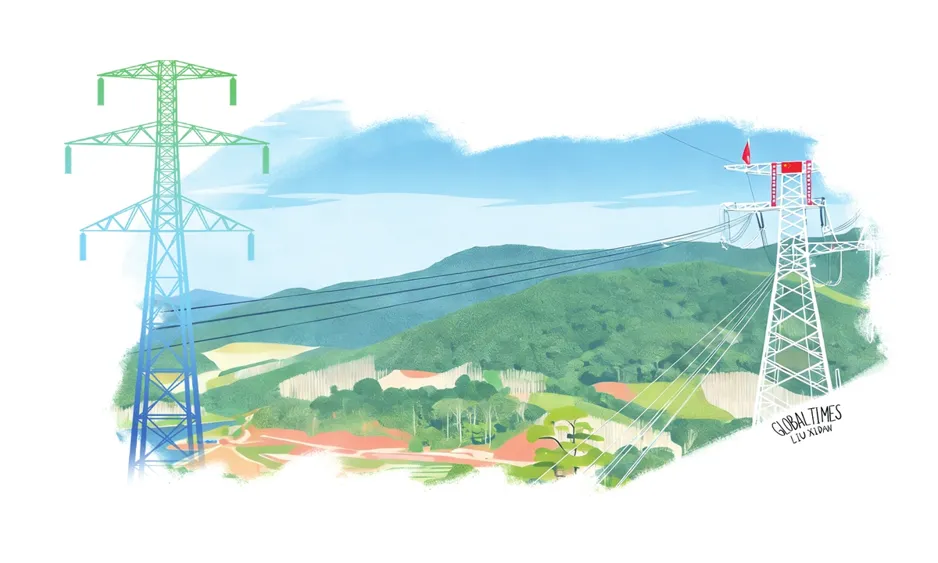
The China-Laos electricity expressway marks a significant milestone in advancing clean energy collaboration between the two nations. This transmission line spans a total of 177.5 kilometers, integrating a 145-kilometer stretch in China and a 32.5-kilometer segment in Laos. Following the establishment of the China-Laos Railway, this cross-border infrastructure project aims to enhance regional development significantly.
This initiative is designed to establish a safe, reliable, green, and efficient "electricity expressway" that connects China and Laos. With a bidirectional transmission capacity of 1.5 million kilowatts, it is projected to deliver approximately 3 billion kilowatt-hours of clean energy annually and help reduce carbon dioxide emissions by around 2.5 million tons each year, as stated by China.org.cn.
Economically, the project promises reciprocal benefits. For Laos, it has the potential to become a power grid hub in the northern region, consolidating clean energy sources from surrounding areas. This development supports Laos in optimizing its energy mix and advancing industrial growth, while also creating numerous local job opportunities and fostering the development of domestic power engineering talent.
Laos, positioned as a key electricity exporter in Southeast Asia, harbors ambitions to serve as the region's "battery." China, with its cutting-edge technology and extensive power sector experience, is well-positioned to support Laos in transitioning to cleaner energy solutions. This energy cooperation is expected to be crucial for the development of Laos' electricity industry and expanding cross-border power trade.
Beyond the China-Laos project, China's commitment to enhancing energy cooperation in Southeast Asia, Central Asia, and beyond has been unwavering. This includes initiatives focused on power infrastructure development, renewable energy generation, and grid interconnection, showcasing China's extensive collaboration within the sector. Chinese enterprises actively engage in international clean energy projects that foster mutual benefits and shared growth.
Early statistics indicate that investments in jointly developed hydropower, wind, and photovoltaic projects have surged to more than five times that of 2014, with installed capacity increasing fifteenfold. Estimates suggest that Chinese firms have been involved in over 190 energy and power grid projects throughout ASEAN countries, collectively valued at over 92 billion dollars, as reported by Xinhua News Agency.
On a global scale, the rising demand for energy investment in the power sector has gained considerable attention, driven partly by the rapid growth of artificial intelligence and data centers. Many countries are in the process of expanding their electricity systems to keep pace with evolving energy requirements, prompting a stronger focus on generation, consumption, and cross-border energy trade.
In this context, there is a heightened interest in developing power industries, including renewable generation, storage solutions, and transmission infrastructure. Cross-border collaboration in these domains is increasingly viewed as essential, grounded in real market demand.
Chinese enterprises have a longstanding history of technological advancement and extensive experience in the fields of power generation, renewable energy, and electricity infrastructure. Their growing international presence aligns with the genuine need for cross-border energy cooperation, presenting opportunities that benefit all parties involved.
The global spotlight on China's power sector reflects ongoing discussions and debates about its role in the energy landscape. Beyond surface reactions, the reality remains that the global energy sector is encountering significant demand, and cross-border collaborations are vital for addressing these challenges.
The China-Laos power interconnection project exemplifies Laos' overarching strategy to develop its electricity sector. This development serves as a testament to the reciprocal nature of energy collaboration, highlighting its potential in strengthening power infrastructure while advancing the growth of clean energy.
Read These Next
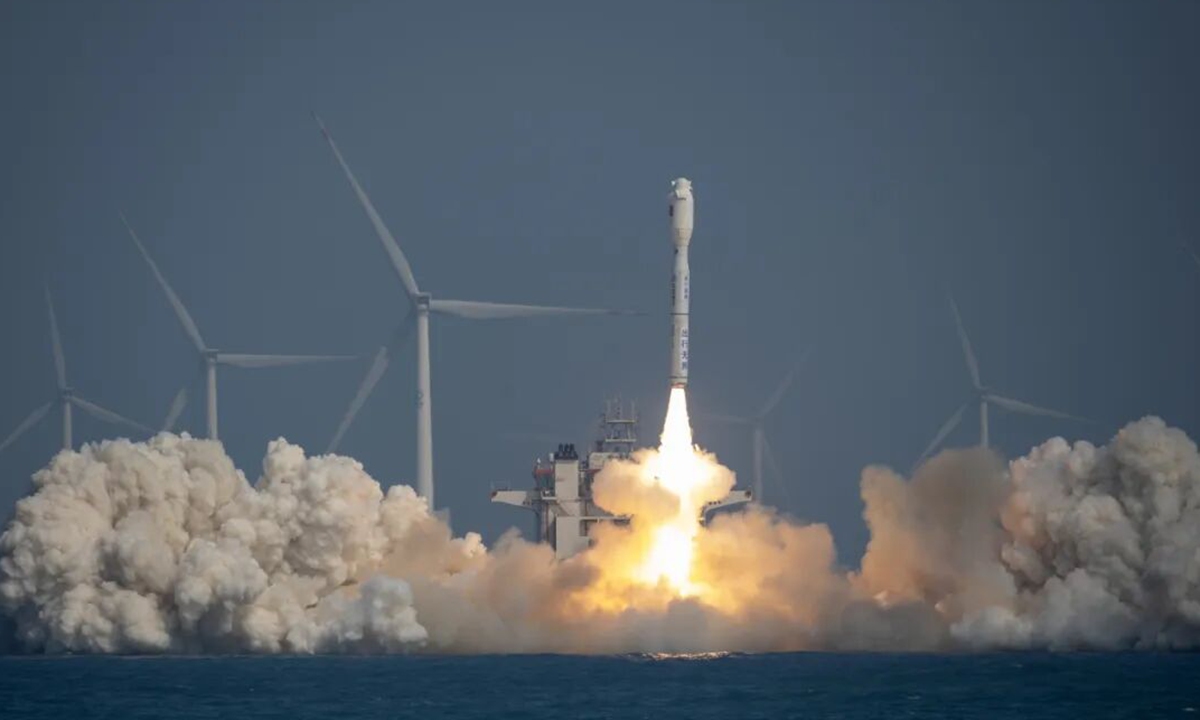
China Unveils First AI Large-Model Satellite for Smart Cities
China has launched the CUHK-1 satellite, merging AI models with Earth observation for smarter city governance and environmental monitoring.

China's Rapid AI Advances in Global Tech Competition
Chinese tech giants have introduced advanced AI models, asserting strong competition in robotics and video generation against their American counterparts. The models unveiled by Alibaba, ByteDance, and Kuaishou depict rapid technological progress, highlighting China's growing prominence in the AI sector, yet regulatory hurdles loom widely ahead.
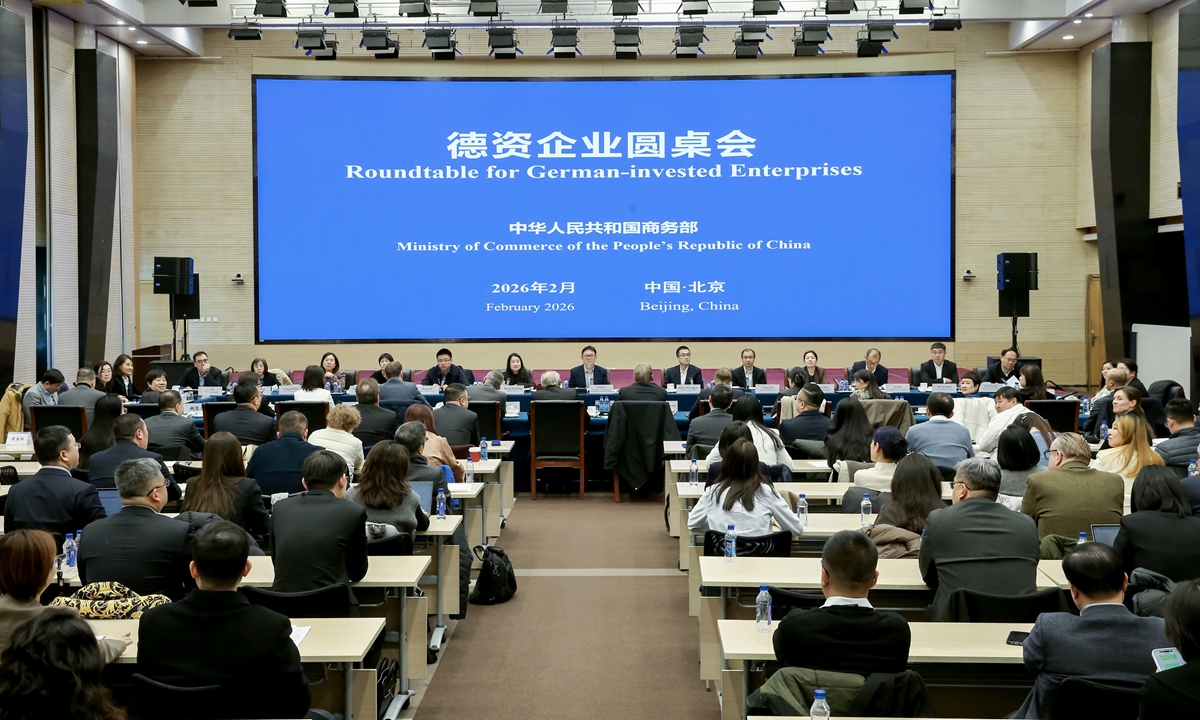
China Embraces German Investment Boost in Green Tech and Innovation
China and Germany aim for stronger ties in green tech and digital innovation, fostering investment and sustainable growth.