

China's Rapid AI Advances in Global Tech Competition

The recent unveiling of advanced AI models by Chinese tech giants marks a pivotal moment not only for the companies involved but also for the global landscape of artificial intelligence. As American markets react to the innovations from Anthropic and Altruist, this week’s announcements from Alibaba, ByteDance, and Kuaishou underscore how Chinese firms are unambiguously catching up to their American counterparts. With industry insider Demis Hassabis suggesting that Chinese models are merely months behind their Western competitors, we find ourselves at a critical juncture in the ongoing tech race.
Alibaba's introduction of RynnBrain illustrates the sophisticated capabilities that these emerging technologies can possess. Designed to enhance robotic interactions with the physical environment, RynnBrain is equipped with innovations like time and space awareness, allowing it to perform tasks with greater reliability and coherence. This model not only positions Alibaba as a formidable player in the robotics sector, competing with Nvidia and Google, but also highlights an underlying economic trend: the increasing convergence of AI technologies across global markets. Currently, the robotics segment is projected to grow at a compound annual growth rate (CAGR) of approximately 26%, stressing the importance of advancing capabilities if companies wish to maintain market share. Given these rising stakes, one must consider whether the pace of innovation will ultimately favor those with deeper resources or those willing to take more calculated risks in deployments.
Turning to video generation AI, both ByteDance's Seedance 2.0 and Kuaishou's Kling 3.0 illustrate the advancements being made. Seedance claims impressive output realism; however, user concerns about consent related to voice generation indicate potential regulatory challenges that could impede growth in consumer acceptance. This recalls the lessons learned during the 2008 financial crisis, where a lack of regulatory foresight led to long-term repercussions in both the market and consumer trust. Kuaishou's stock growth of over 50% demonstrates the commercial potential of these technologies, yet it also highlights the volatility and unpredictability inherent in AI startups. Could these labor-saving advancements also render jobs redundant, ultimately creating socio-economic backlashes?
In conclusion, while the current landscape in China suggests rapid advancements in AI technology, stakes are high for all players involved—startups must prove their worth amidst increasing regulatory scrutiny and consumer skepticism. Policymakers may overlook the unintended consequences of their regulations, potentially stifling innovation rather than nurturing it. For institutional investors, deciphering the future trajectory of these AI models will be vital; a balance between embracing technological advancements and understanding their socio-economic impacts could provide lucrative opportunities. As we forecast the future of Chinese AI on the global stage, one must consider: Will the benefits of AI migration translate into long-term economic resiliency or pave the way for new challenges?
Read These Next

China Unveils First AI Large-Model Satellite for Smart Cities
China has launched the CUHK-1 satellite, merging AI models with Earth observation for smarter city governance and environmental monitoring.
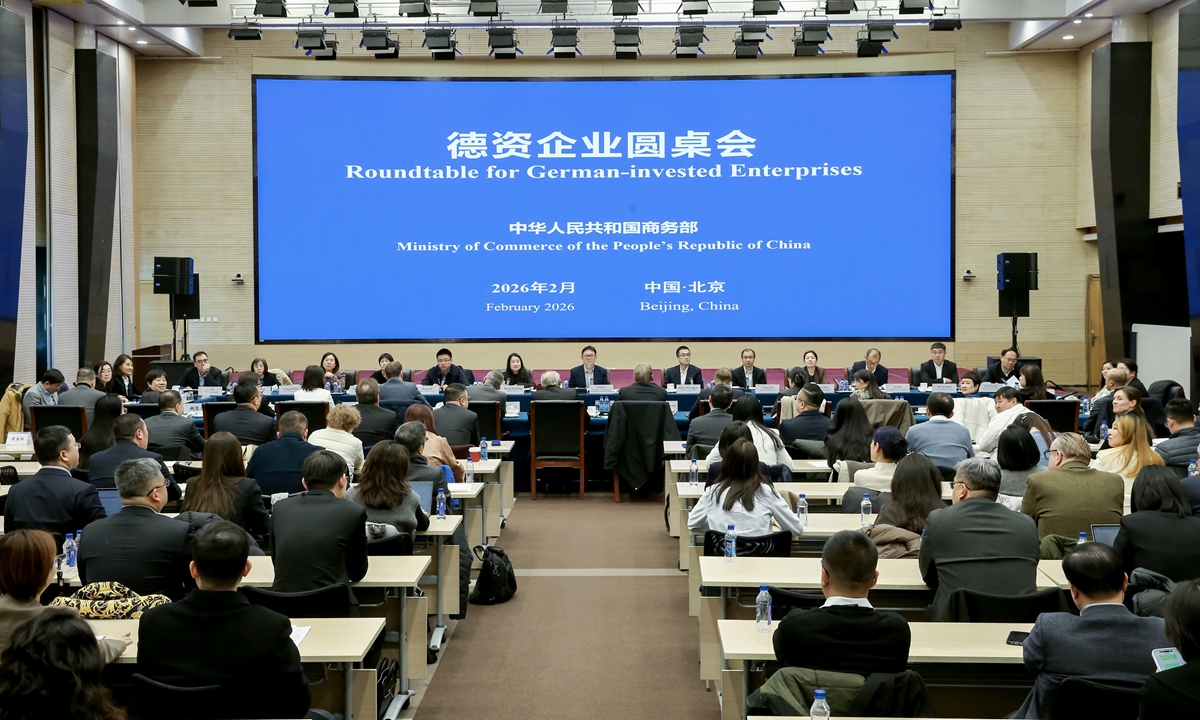
China Embraces German Investment Boost in Green Tech and Innovation
China and Germany aim for stronger ties in green tech and digital innovation, fostering investment and sustainable growth.

Railway Cables Damaged Disrupt Train Operations in Italy
Railway transport delays in central and southern Italy due to sabotage of cables; police investigate as train ops resume.