

China's Market Regulator Launches Antitrust Guidelines for Internet Platforms

China's State Administration for Market Regulation has unveiled new antitrust guidelines aimed specifically at internet platforms, with the intent of enhancing competition and fostering innovation within the sector.
By releasing these guidelines, the regulator seeks to assist internet platform operators in effectively identifying and mitigating antitrust compliance risks, thus encouraging the healthy growth of the platform economy.
According to industry analysts, these guidelines come at a significant moment, as they convert critical aspects of the Anti-Monopoly Law into concrete behavioral standards while addressing longstanding uncertainties in compliance for internet companies.
The guidelines take into account the unique features of the platform economy, such as diverse business models and competitive dynamics. They identify eight scenarios that present new forms of monopoly risks, including algorithmic collusion and unfair pricing practices.
Moreover, the guidelines provide actionable recommendations for platform operators to enhance their antitrust compliance management efforts.
Specifically, the guidelines highlight four categories of monopoly risks: agreements made between parties to restrict competition, abuse of dominant market positions, consolidation of operators, and misuse of administrative power.
This timely release addresses many existing compliance uncertainties, as noted by Liu Dingding, an industry expert, who indicated that platforms previously faced confusion over the limits of monopolistic conduct.
Liu emphasized that vague definitions in the past have led platforms to inadvertently breach compliance lines, thereby necessitating clearer guidelines.
Liu also pointed out that the guidelines encourage a shift in focus from short-term, profit-centered monopolistic behaviors to an emphasis on technological innovation and service enhancement.
He expects that, in response to the guidelines, a growing number of platforms will initiate thorough reviews of their practices, improving their compliance management systems to support long-term growth and increase their competitive edge.
Overall, the introduction of these guidelines marks a significant step in regulating China's booming platform economy.
Read These Next

China Unveils First AI Large-Model Satellite for Smart Cities
China has launched the CUHK-1 satellite, merging AI models with Earth observation for smarter city governance and environmental monitoring.

China's Rapid AI Advances in Global Tech Competition
Chinese tech giants have introduced advanced AI models, asserting strong competition in robotics and video generation against their American counterparts. The models unveiled by Alibaba, ByteDance, and Kuaishou depict rapid technological progress, highlighting China's growing prominence in the AI sector, yet regulatory hurdles loom widely ahead.
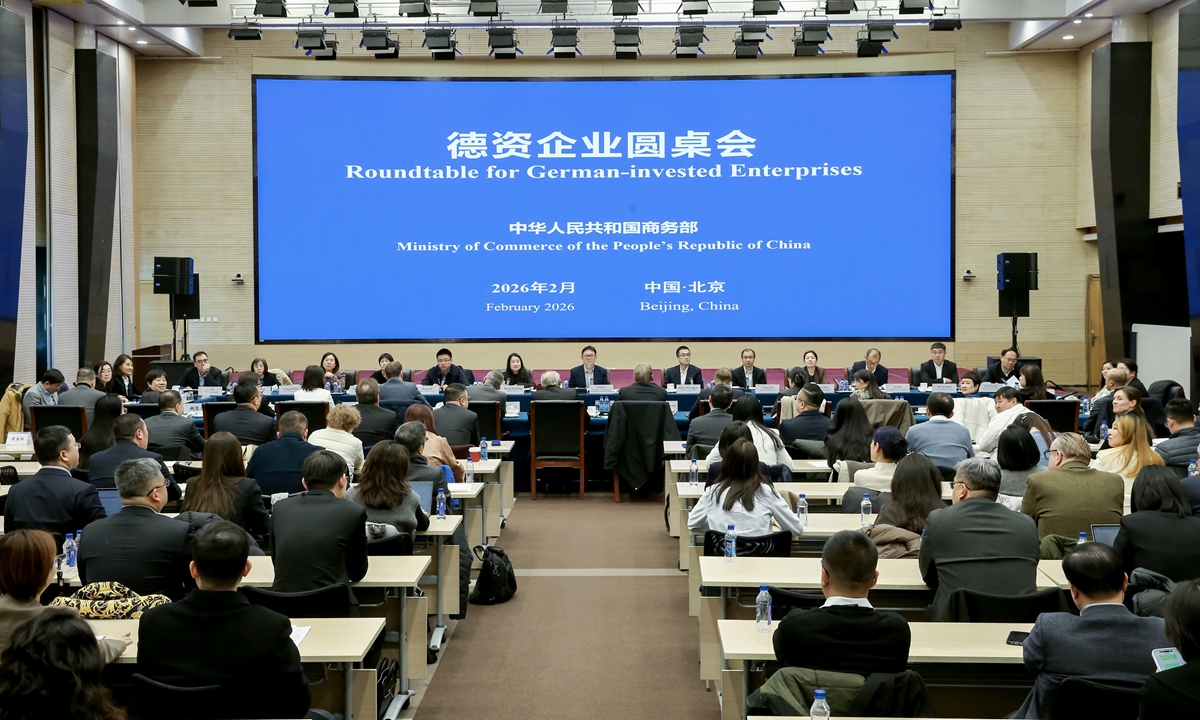
China Embraces German Investment Boost in Green Tech and Innovation
China and Germany aim for stronger ties in green tech and digital innovation, fostering investment and sustainable growth.