

US Official Claims Chinese Traders Affect Gold Prices Analyst Calls This Groundless
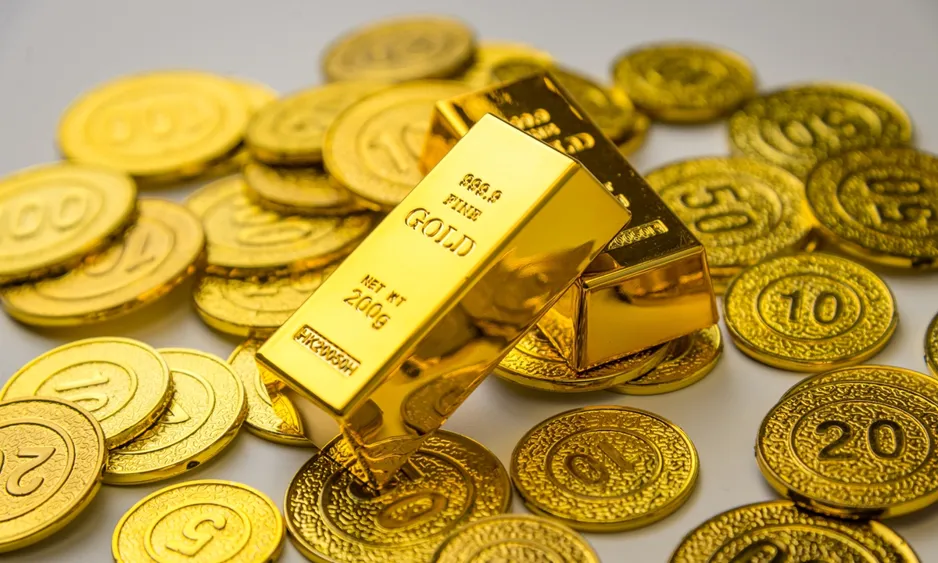
US Treasury Secretary Scott Bessent has attributed the recent volatility in gold prices to the activities of Chinese traders, a claim that has been met with skepticism from analysts in China who argue that US policies are the underlying cause of market fluctuations.
In a statement discussing the abrupt reversal of the gold market's rally, Bessent said, 'the gold move thing — things have gotten a little unruly in China.' He noted that Chinese constraints on margin requirements could be contributing to this market instability.
Contrarily, Hu Qimu, deputy secretary-general of the Forum 50 for Digital-Real Economies Integration, responded by emphasizing that changing margin requirements is a common risk management practice in global exchanges, not a uniquely Chinese action.
The Chicago Mercantile Exchange, for instance, raised margin requirements for gold and silver contracts for the third time since January 13, indicating that such adjustments follow standard procedures during heightened market volatility.
To decode the recent declines in gold prices, it is crucial to examine the factors that led to their earlier surge. A weakened US dollar, coupled with ongoing geopolitical tensions, created a strong demand for safe-haven assets, pushing gold prices to significant heights.
On January 29, international gold and silver prices surged to all-time highs due to this heightened demand for safety, with spot gold reaching $5,594.82 per ounce, marking a remarkable month for the metal.
While speculative buying and geopolitical instability are recognized as contributing factors to the initial rally, concerns regarding the independence of the Federal Reserve also played a role, complicating the landscape further.
Tu Yonghong, a professor at the International Monetary Institute at Renmin University, characterized Bessent's assertions as unfounded, underscoring that the fluctuations in gold prices correlate closely with movements in the US dollar.
The US Dollar Index has been persistently weak since 2025, and expectations of Federal Reserve rate cuts have resulted in increased global liquidity. This environment has naturally made gold a more attractive investment alternative.
Tu further explained that this classic relationship between gold and the US dollar implies that as the latter weakens, gold typically gains traction as a hedge against market uncertainty. He criticized the blame directed at China as unprofessional and lacking objectivity.
On a longer-term basis, Yang Delong, chief economist at First Seafront Fund, noted that uncertainties in US policies create the conditions for rising gold and silver prices, further aggravating financial instability and shifting investment strategies towards precious metals.
In summary, the perspectives of Chinese analysts indicate that attributing gold price volatility to Chinese traders overlooks the broader impact of US monetary policy and its implications for global markets, suggesting a need for a more nuanced analysis of these complex financial dynamics.
Read These Next

Huayi Microelectronics Acquisition: Opportunities and Risks
Commentary on a company's acquisition of Huayi Microelectronics and its implications for market strategy and regulation.

Bitwise CIO Discusses Bitcoin's Four-Year Cycle Decline
This commentary analyzes the recent decline in Bitcoin prices through insights from Matt Hougan, Chief Investment Officer of Bitwise Asset Management, focusing on the cyclical nature of investing and the implications for the future of cryptocurrencies.

South Korean Firms Boost Exploration in Chinese Market After Visit
South Korean businesses are targeting China for expansion, focusing on high-tech sectors amid growing economic collaboration.