

Chinese Researchers Achieve First In-Orbit Brain Computer Interface Test
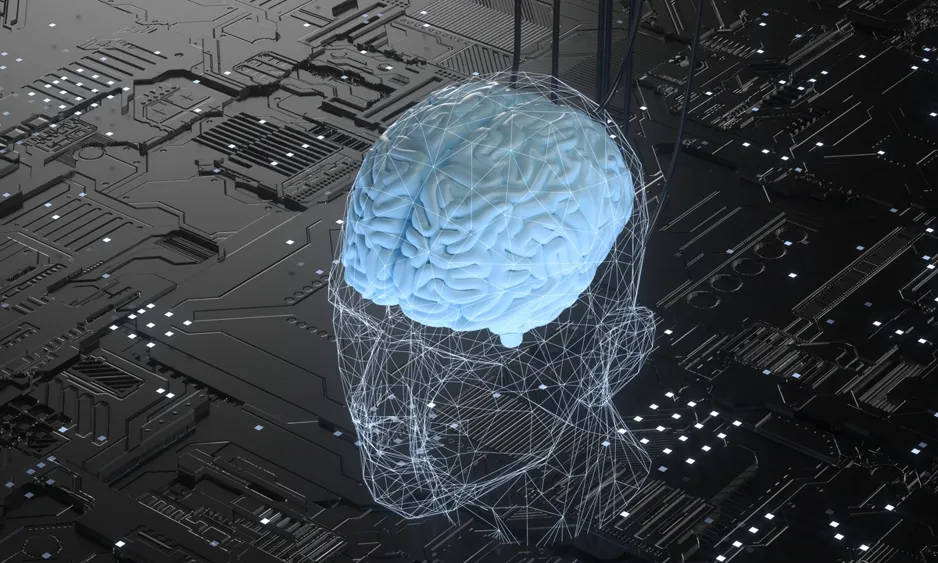
Chinese researchers from Northwestern Polytechnical University (NPU) in Xi'an have made a notable advancement in neuroscience with the successful completion of the first in-orbit test of a wireless implantable brain-computer interface (BCI) device. This remarkable achievement marks a milestone in global space neuroscience and neurotechnology, as reported by the team on Monday.
The BCI device, developed under the leadership of Chang Honglong and Ji Bowen, was launched into space as part of a space experiment platform in December. Under the demanding conditions of space, it continuously and stably collected electroencephalogram signals while simulating a body-fluid environment, thereby generating critical data related to noise levels and long-term operational stability. This experiment successfully addressed a significant technological gap in international BCI systems.
The data obtained from this groundbreaking experiment provided essential insights regarding the long-term performance of implantable electrodes in a microgravity environment. These findings are anticipated to be instrumental in helping researchers analyze how microgravity influences astronauts' neural activity, which is crucial in ensuring the 'brain health' of astronauts during extended space missions.
In addressing typical limitations of traditional minimally invasive cortical electrodes—such as reduced flexibility, inadequate contact with brain tissue, and corrosion effects due to prolonged implantation—the new BCI device features a flexible electrode array. This design allows it to adapt closely to the brain's soft and curved surface, facilitating the acquisition of high-fidelity neural signals without inflicting damage on the cerebral cortex.
Preliminary animal studies demonstrated that the proprietary electrode offers significantly improved signal acquisition stability, with performance metrics surpassing traditional metal electrodes by several hundred times. The system not only supports long-term, safe neural stimulation and modulation but can also function effectively in ultra-high-field magnetic resonance imaging environments.
The significance of the BCI sector is not lost on the Chinese government, which has identified it as a key area for development. The Recommendations from the Central Committee of the Communist Party of China for the 15th Five-Year Plan underscore BCI as one of the six 'industries of the future' to be actively cultivated over the next five years.
In a recent effort to bolster innovation within the BCI field, China's Ministry of Industry and Information Technology, alongside six other departments, unveiled implementation guidelines on August 7, 2025. These policies aim to expedite the integration of BCI products across various sectors, including industrial manufacturing, healthcare, and consumer industries by the year 2027.
Additionally, the goal is to establish a secure and reliable industrial ecosystem for BCI by 2030, which includes nurturing two to three prominent enterprises that will gain global influence, alongside a host of specialized small and medium-sized businesses.
Read These Next

Huayi Microelectronics Acquisition: Opportunities and Risks
Commentary on a company's acquisition of Huayi Microelectronics and its implications for market strategy and regulation.

Bitwise CIO Discusses Bitcoin's Four-Year Cycle Decline
This commentary analyzes the recent decline in Bitcoin prices through insights from Matt Hougan, Chief Investment Officer of Bitwise Asset Management, focusing on the cyclical nature of investing and the implications for the future of cryptocurrencies.

South Korean Firms Boost Exploration in Chinese Market After Visit
South Korean businesses are targeting China for expansion, focusing on high-tech sectors amid growing economic collaboration.