

AI Giants Boost User Competition with Red Envelope Campaigns
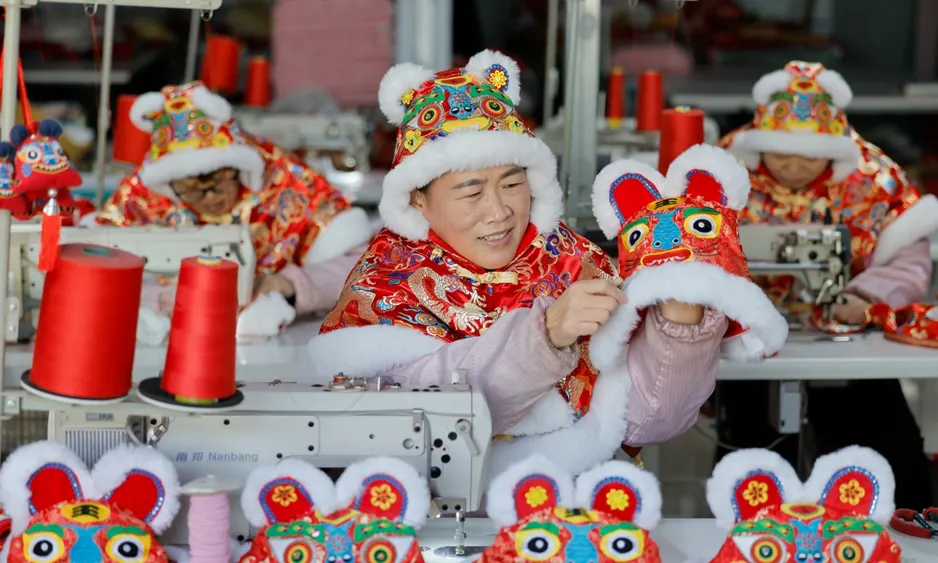
Chinese AI companies are ramping up competition by launching digital red envelope campaigns coinciding with the Spring Festival. This strategic move aims to enhance user engagement and drive app downloads, particularly in a bustling period of consumer activity.
Over the weekend, social media in China buzzed with viral posts showing a surge in orders at coffee and tea chains. This followed the Qwen app's announcement of a massive Spring Festival giveaway worth 3 billion yuan, approximately 432 million dollars. Users were offered free milk tea gift cards valued at 25 yuan, with no minimum spending requirement, facilitating drink orders directly through the app's chat interface.
The promotion has generated substantial online dialogue, with many users posting images of busy milk tea shops overwhelmed by delivery personnel, highlighting the immediate impact of the campaign.
In an announcement made through its WeChat account, Qwen app proclaimed the versatility of the gift cards, allowing users to utilize them not just for beverages but also for daily meals, including breakfast, lunch, and dinner, as well as groceries and supermarket purchases.
As a result of the campaign's momentum, Qwen climbed to the top of the Apple App Store's free chart in China on Saturday, followed closely by Tencent's Yuanbao and ByteDance's Doubao in second and third position, respectively.
Moreover, Qwen is not alone in this initiative; other major Chinese AI companies such as Baidu and Tencent have also introduced their digital red envelope promotions, with a collective estimated value surpassing 4.5 billion yuan.
Just last week, Tencent's Yuanbao embarked on a red packet campaign, distributing digital packets worth up to 1 billion yuan to users, with individual packet values reaching as much as 10,000 yuan. Meanwhile, Baidu's AI assistant, Ernie, announced its own giveaway, offering 500 million yuan in cash red packets from January 26 to March 12.
Industry observers argue that these marketing endeavors reflect a shift in competition within the AI sector, moving away from pure technological advancement to a greater emphasis on the end-user experience.
Despite the excitement these campaigns generate, skepticism remains. Analysts suggest that this approach resembles traditional retail tactics, like giving away free products as an enticement for customers, and question the effectiveness of translating initial buzz into lasting user loyalty.
As the Spring Festival serves as an important social event that promotes user interaction with AI technology, experts like Wang Peng from the Beijing Academy of Social Sciences affirm that this is a vital moment for AI companies to build rapport and loyalty with consumers.
Wang emphasizes the necessity for these firms to focus less on short-term marketing strategies and more on authentic technological advancements and a superior product experience. He notes that true growth and sustainability in the industry will come from strengthening the core features of their products.
Read These Next
Yuan Reaches 33 Month High Against US Dollar
The yuan strengthens to a 33-month high against the dollar, driven by diplomacy and positive economic fundamentals in China.

ON Semiconductor Q1 Revenue Forecast Between 1435M and 1535M
ON Semiconductor forecasts Q1 revenue of $1.435B to $1.535B, indicating strong performance and optimistic market demand.

French Firm Aims to Boost Collaboration for Chinese Festivals
Chinese humanoid robots debuted at a Paris Spring Festival parade, showcasing innovation and enhancing global perception of Chinese culture.