

Yuan Reaches 33 Month High Against US Dollar
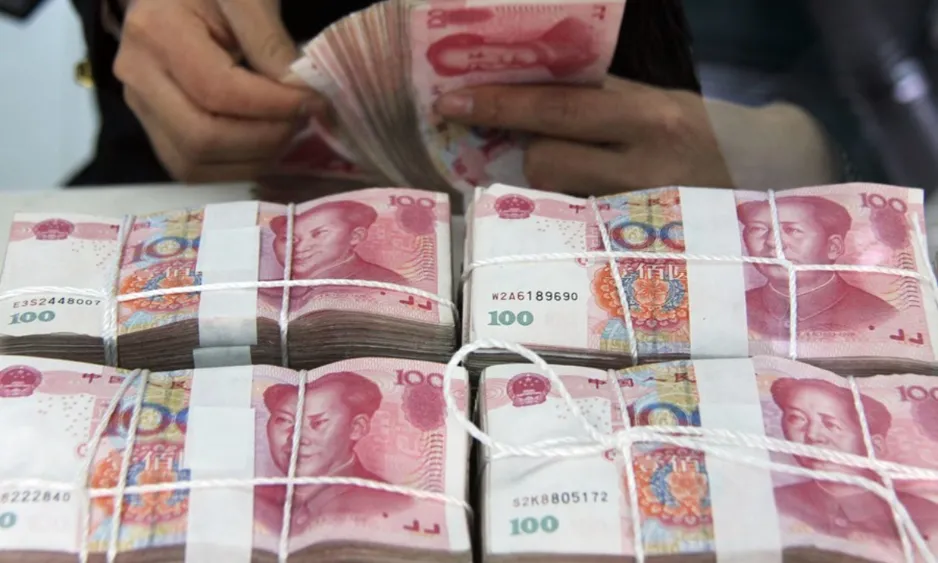
The yuan has surged to a 33-month high against the US dollar, bolstered by favorable diplomatic relations and solid economic fundamentals within China. This significant appreciation reflects broader changes in geopolitical dynamics and growing confidence in Asian markets.
According to the China Foreign Exchange Trade System, the yuan's central parity rate strengthened by 67 pips, settling at 6.9523 against the dollar on Monday. This represents the strongest positioning for the currency since May 2023.
In the spot foreign exchange market, the yuan is allowed to fluctuate by 2 percent above or below the established central parity each trading day. On Monday, both the onshore and offshore markets experienced key rallies, reaching their highest points since May 10, 2023, as reported by Paper.cn.
During afternoon trading, the spot exchange rate in the onshore market surpassed the 6.93 threshold, peaking at 6.9290, denoting an increase of over 100 basis points from the previous day's close. The offshore yuan also climbed to 6.9250, marking a 33-month high.
Pan Helin, a prominent economist based in Beijing, emphasized that the recent rise of the yuan coincides with shifting geopolitical trends and a positive outlook on Chinese assets. The Greenland crisis, which has exacerbated tensions within the US alliance network, has also fostered skepticism towards the dollar-dominated international credit system.
High-level diplomatic visits to Beijing by leaders and senior officials from countries such as South Korea, Canada, and various European nations have enhanced the yuan's appeal, as mentioned in a report by the China Center for Economic Research at Peking University.
The report further indicated expectations for the yuan's exchange rate to maintain overall stability, projecting fluctuations between 6.85 and 7.05 in February. However, the diminishing likelihood of additional interest rate cuts by the Federal Reserve may pose challenges for the yuan's upward momentum.
The yuan's recent streak of appreciation—now at 11 consecutive weeks—marks its longest winning period since early 2013. This has been largely attributed to a weakening US dollar, robust exports from China, and increasing attractiveness of Chinese capital markets, according to the Business Times.
Supportive reports from Goldman Sachs highlight improved sentiment surrounding China's economic growth prospects and growing tolerance for the yuan's strength, fostering expectations for further gains in value.
Factors influencing the yuan's appreciation include weaker economic indicators from the United States, particularly a rise in unemployment rates which have shaped expectations for the Federal Reserve to cut rates. This external pressure has weakened the dollar and granted space for the yuan to ascend.
Domestically, China's economic indicators demonstrate consistent stabilization and improvement, complemented by stable financial market operations, which further sustain the currency's relative strength.
China's resilience in foreign trade and investment, along with stable cross-border capital flows and foreign exchange market expectations, has ensured orderly foreign exchange transactions. As of the end of January, China's foreign exchange reserves reached $3.3991 trillion, reflecting a growth of 1.23 percent from December.
Read These Next

ON Semiconductor Q1 Revenue Forecast Between 1435M and 1535M
ON Semiconductor forecasts Q1 revenue of $1.435B to $1.535B, indicating strong performance and optimistic market demand.

French Firm Aims to Boost Collaboration for Chinese Festivals
Chinese humanoid robots debuted at a Paris Spring Festival parade, showcasing innovation and enhancing global perception of Chinese culture.

White House Commits to Zero Reciprocal Tariffs Plan
The U.S. will establish zero tariff treatment for some Bangladeshi textile products, boosting trade and Bangladesh's market competitiveness.